How to reach
The Rocca is located immediately above the historic center of the village and is clearly visible from the town below. Access is on foot: from the center of Villa Basilica, it is possible to reach the upper part of the village by following the internal streets in the direction of the hill. From here, a steep uphill path, partly following a historic route, leads to the remains of the fortification. The walk is short but steep and requires appropriate footwear.
Alternatively, the area can be reached by car by following the road leading to the Pizzorne Plateau. Afterward, follow the signs for “Carabinieri” and then “Campo Sportivo”; on the right-hand side, additional signs indicate the Rocca. After leaving the car in one of the roadside parking areas, continue on foot for about 300 meters along an unpaved path that leads to the remains of the fortification.
History
The Rocca of Villa Basilica is the most imposing of the medieval remains rising along the rocky ridge overlooking the village of Villa Basilica, a town in the province of Lucca known for its ancient tradition of armorers and sword making. Its dominant position was no coincidence: from here it was possible to control access to the inner valleys and to protect both the local community and the communication routes linking the Valleriana to the Val di Lima and the upper regions of Tuscany.
Origins and strategic role
Historical, archival, and documentary studies allow the presence of a structured fortification to be dated at least to the second half of the 13th century, although it is likely that the first defensive nucleus already existed in the 12th century. Lucchese documentation explicitly mentions the Rocca from 1354, while further records refer to significant maintenance and strengthening works carried out in 1382 by the Republic of Lucca, at a time when the city was consolidating its defenses along the border with Florence.
These sources highlight how the Rocca formed part of a broader system of Lucchese fortifications, with towers and castles scattered along the heights of the Valleriana, all designed to guard the territory and control routes and military movements.
Architecture and visible remains
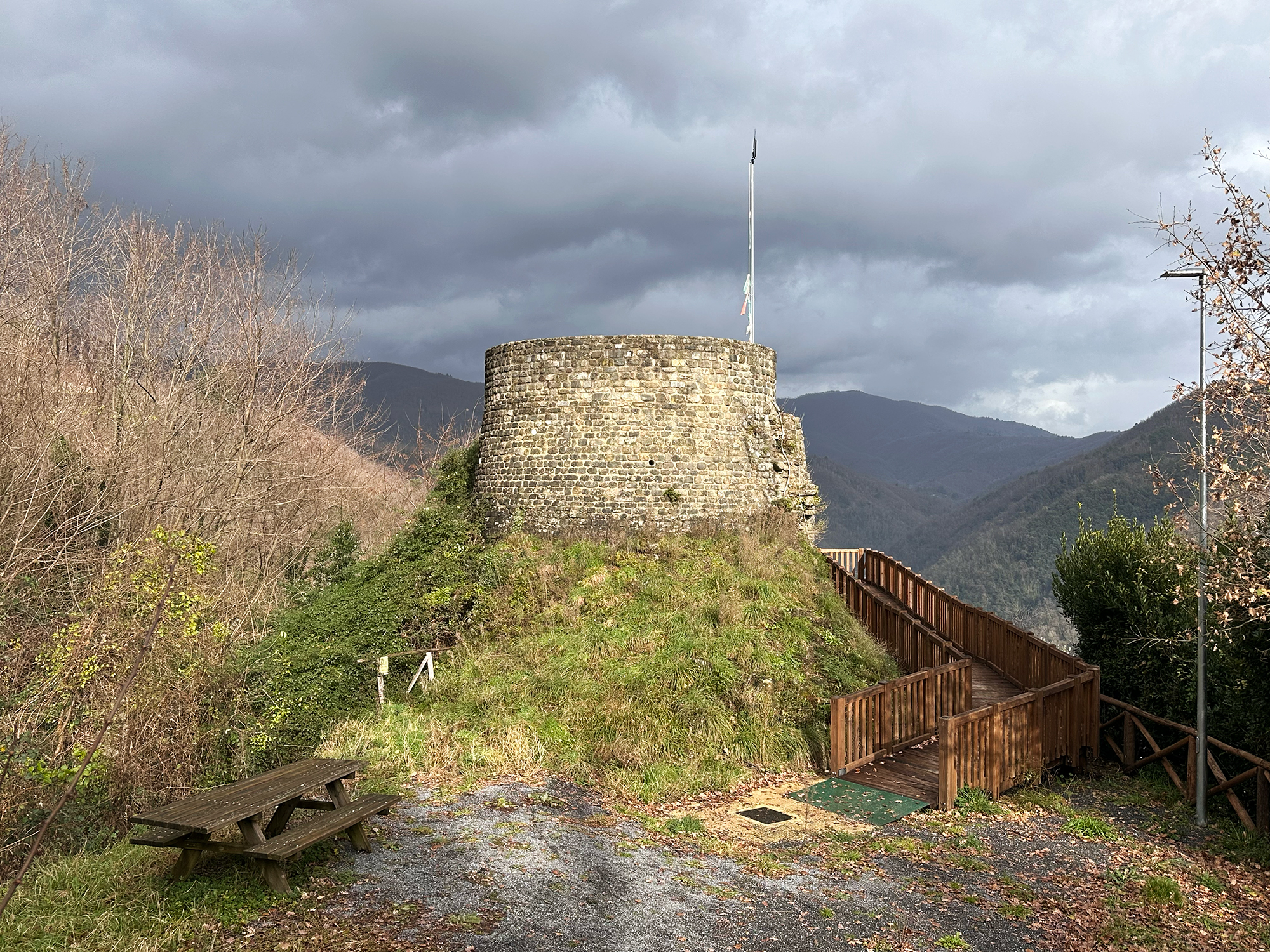
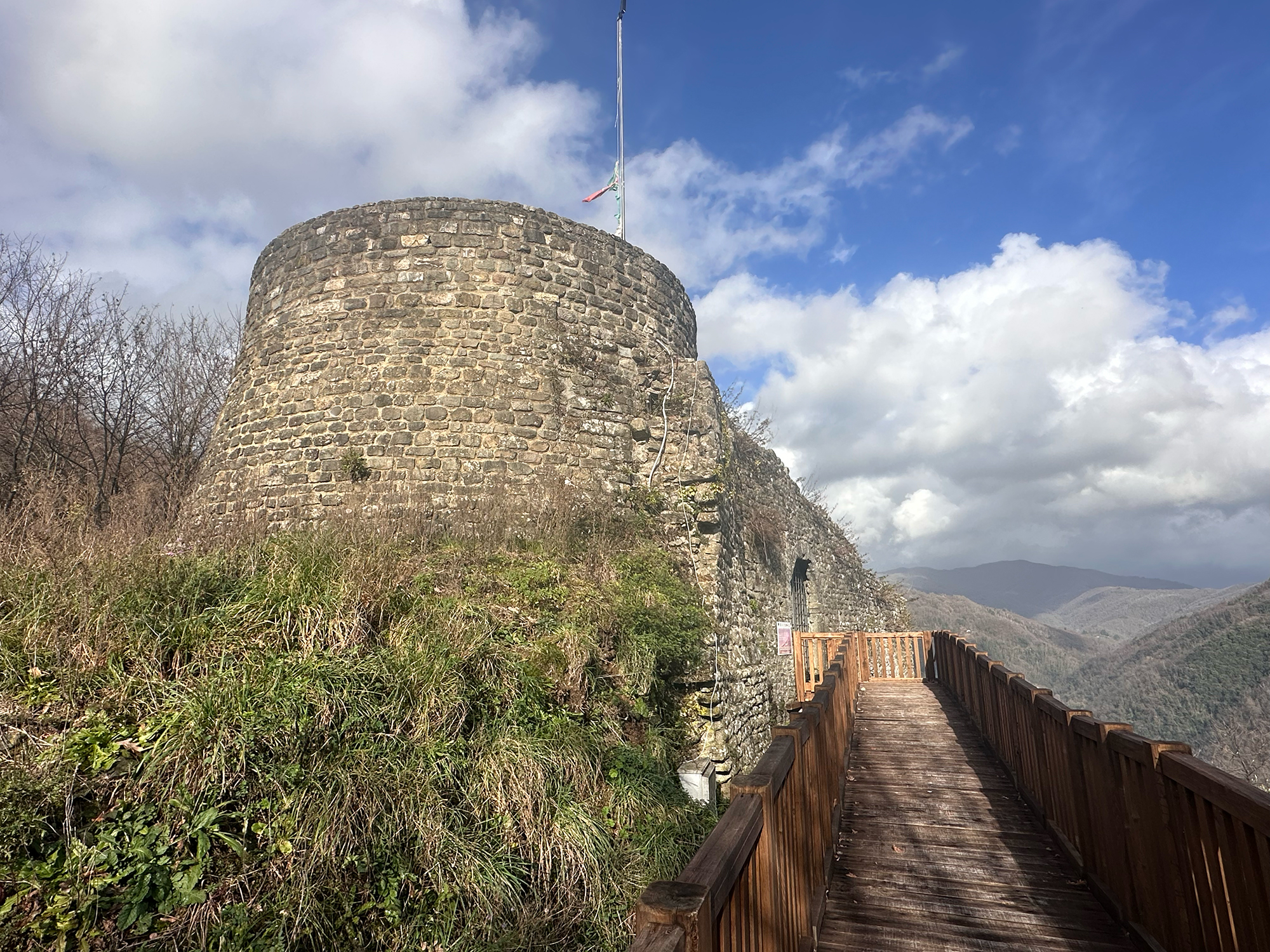
The remains of the ancient Rocca extend over an elongated, diamond-shaped plan, exploiting the natural slope of the hill. The surviving masonry structures show that the complex was organized around a main keep, whose base recalls defensive types similar to those of other medieval Tuscan strongholds, such as the fortress of Montecarlo. Personally, I find notable similarities with the Rocca di Trassilico as well. In front of the keep, a smaller tower can also be identified, originally provided with an entrance that was later blocked.
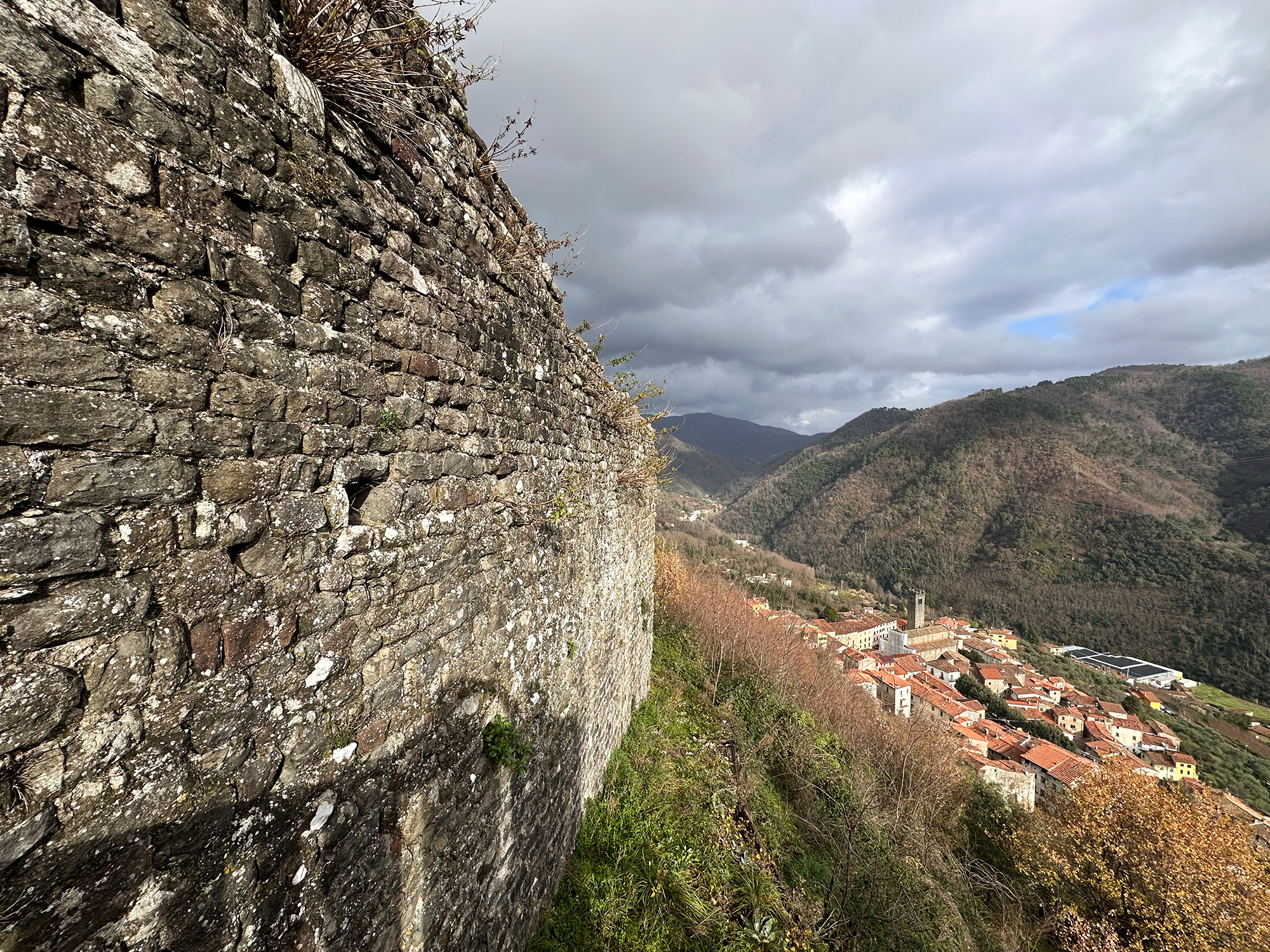
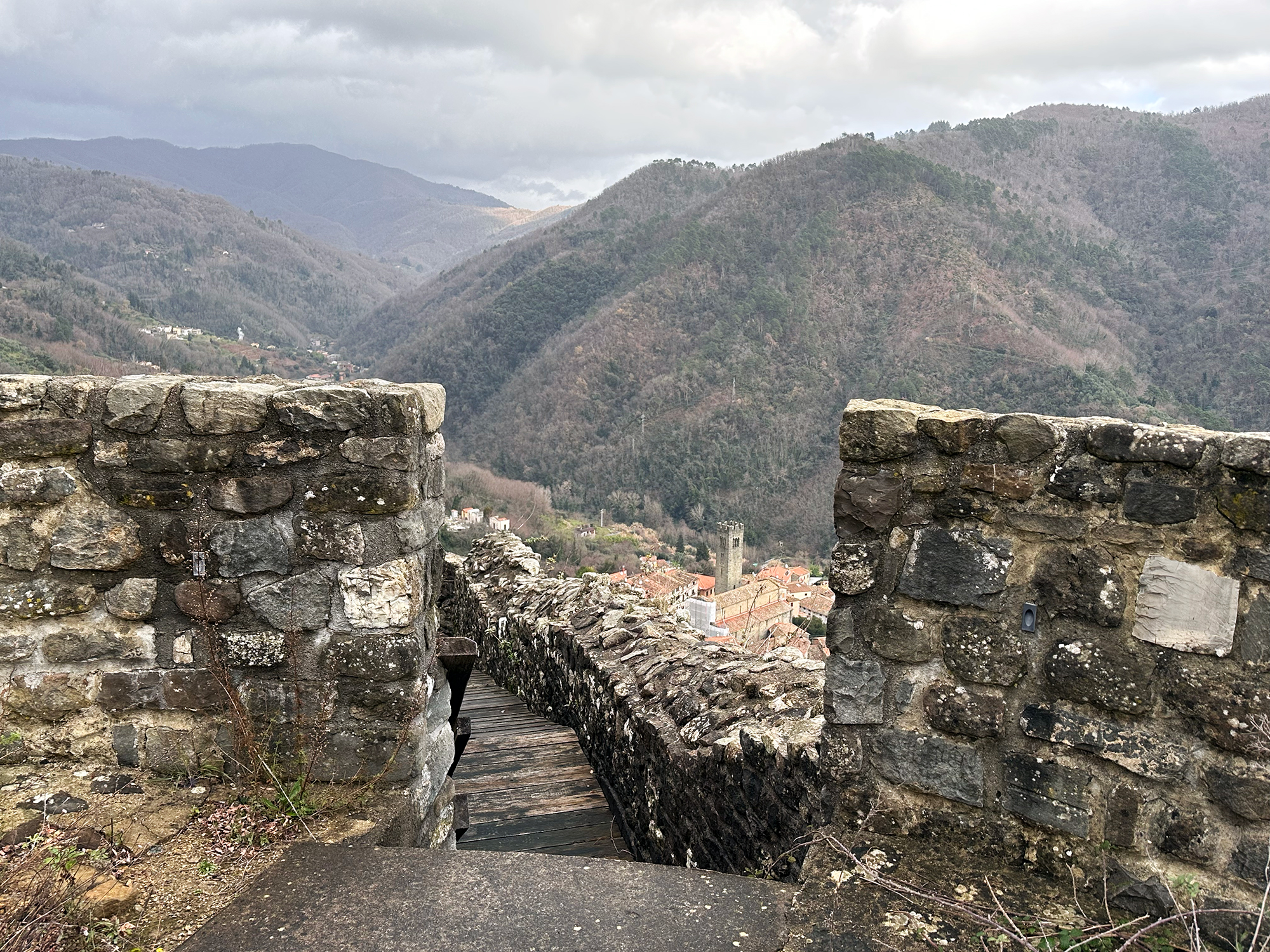
The walls, still partly visible along the visiting route, once enclosed the settlement below and represented the most advanced defensive line toward the southwest, using the steep natural rock faces as if they were moats. Archaeological investigations have shown how the fortifications were connected to the urban walls, making the Rocca a key defensive element within the fortified layout of the village.
Archaeological research and restorations
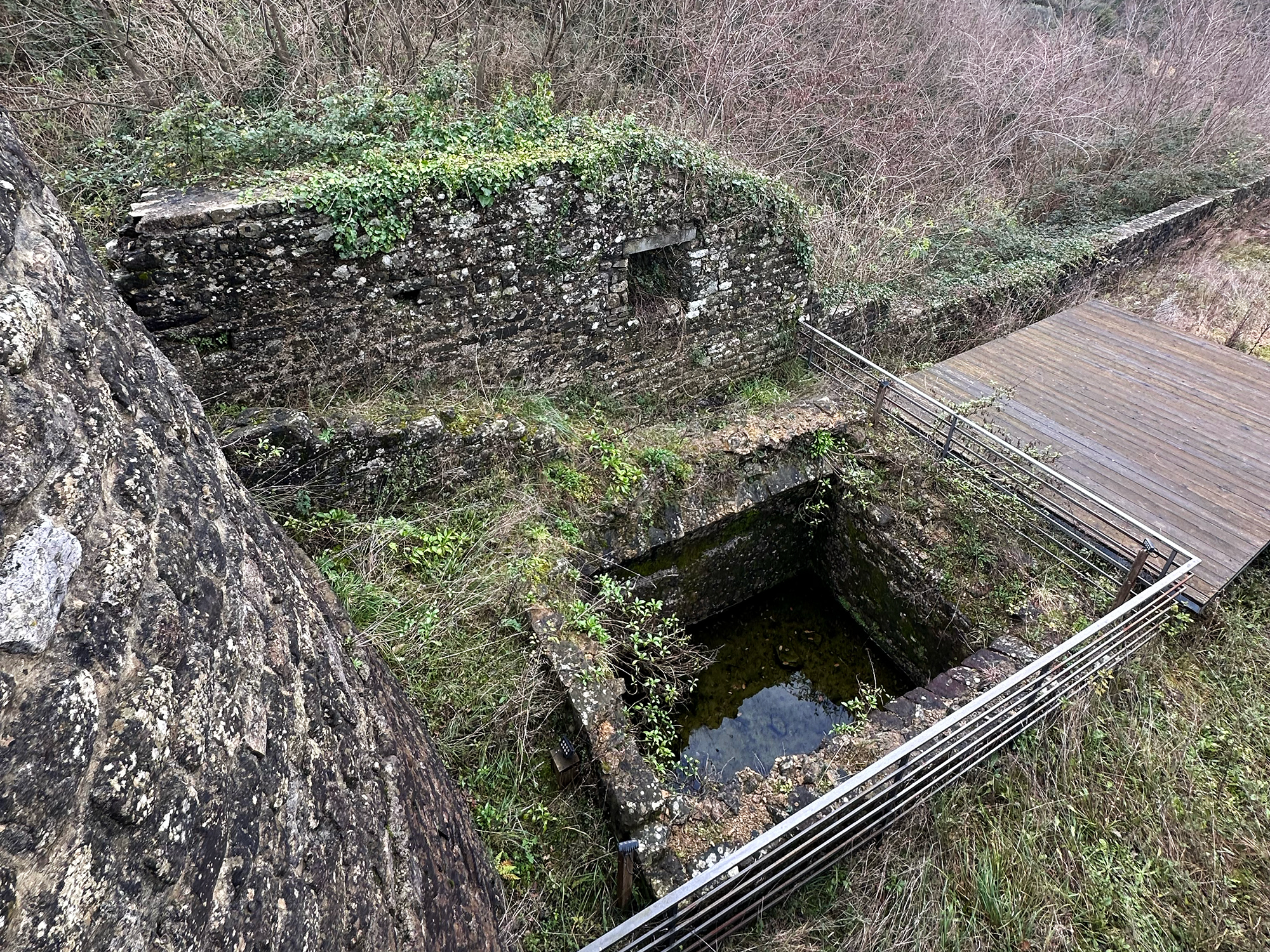
Over the past decades, the Rocca has been the subject of archaeological excavations and research campaigns, coordinated by local research institutions and Lucchese scholars. Excavations carried out in the 2000s brought to light remains of the main tower, sections of the perimeter walls, and internal structures, including flooring elements and a cistern, contributing to a better understanding of the functional organization of the defensive space.
At the same time, restoration and consolidation works were undertaken to preserve the surviving masonry and make it accessible without compromising its integrity. These projects, promoted with the involvement of the Municipality of Villa Basilica and heritage protection associations, helped to halt processes of decay and to enhance the Rocca as a cultural asset and a tangible memory of the area’s medieval past.
The Rocca today
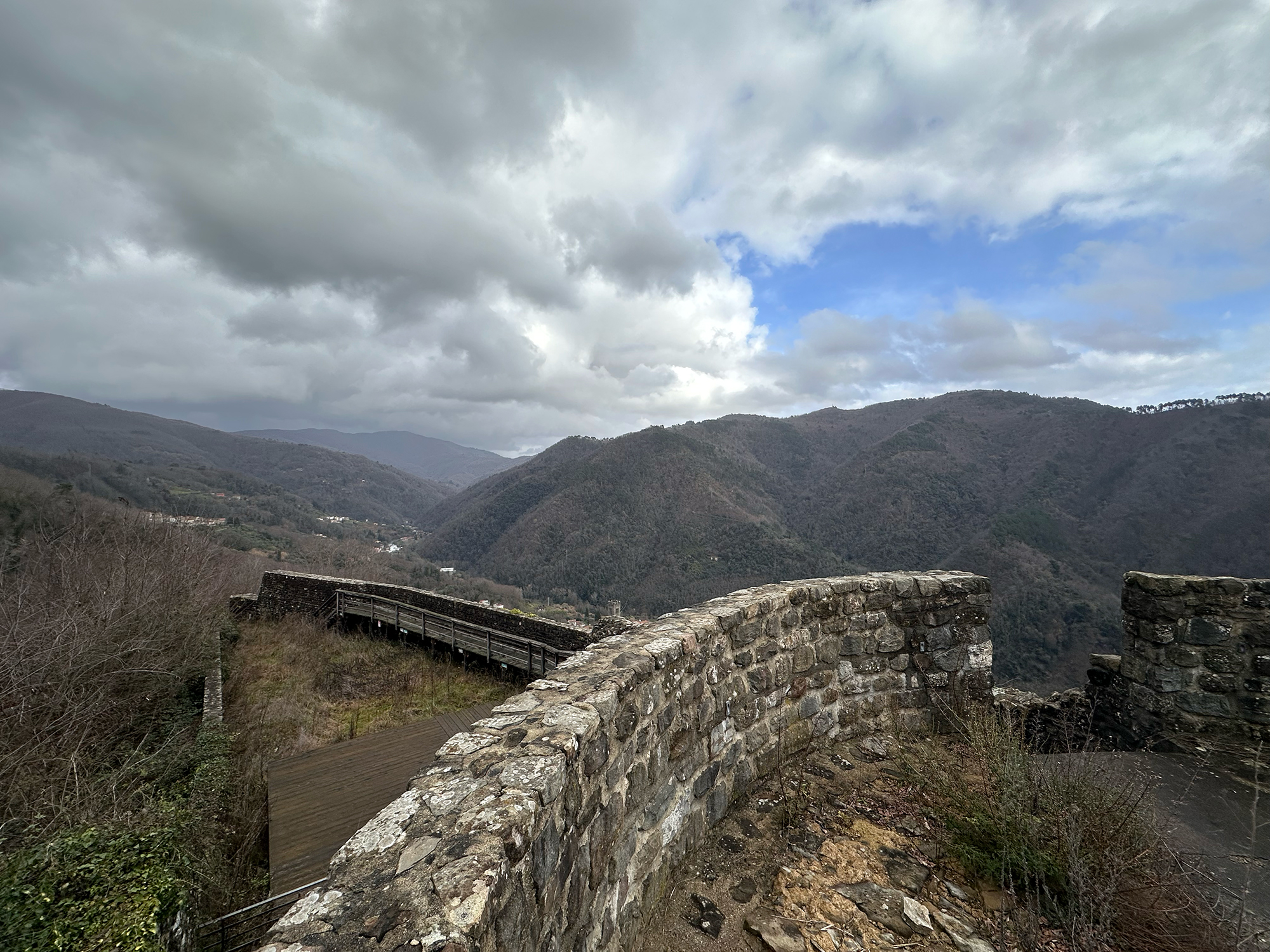
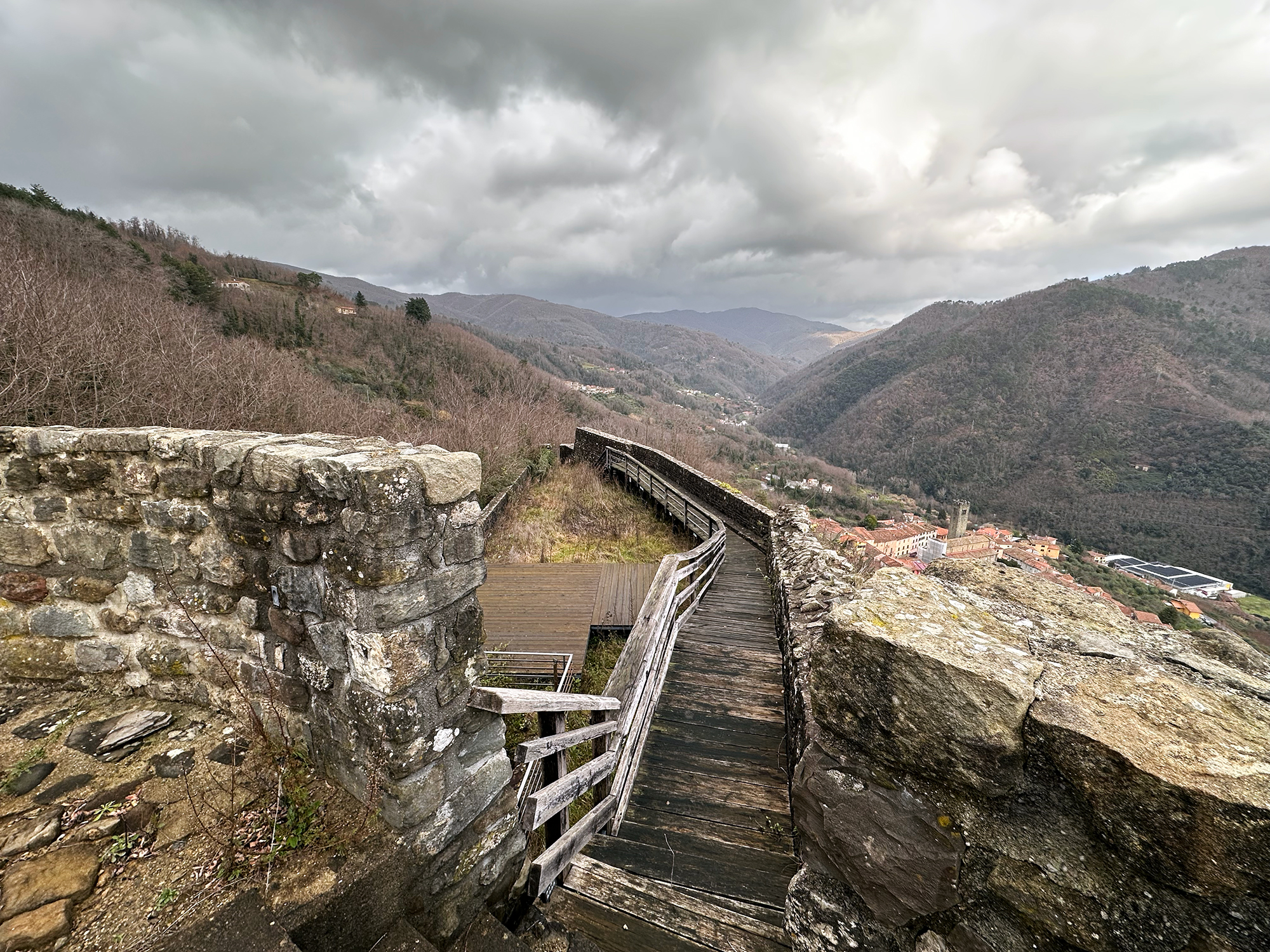
Today, the Rocca appears mainly as a complex of ruins, yet its silhouette remains clearly recognizable and offers a striking panoramic viewpoint over the village and the valley below. Visiting the site not only recounts centuries of military and urban history, but also helps to understand how medieval strategic and architectural choices responded to geography and to the political dynamics of the Italian lordships.
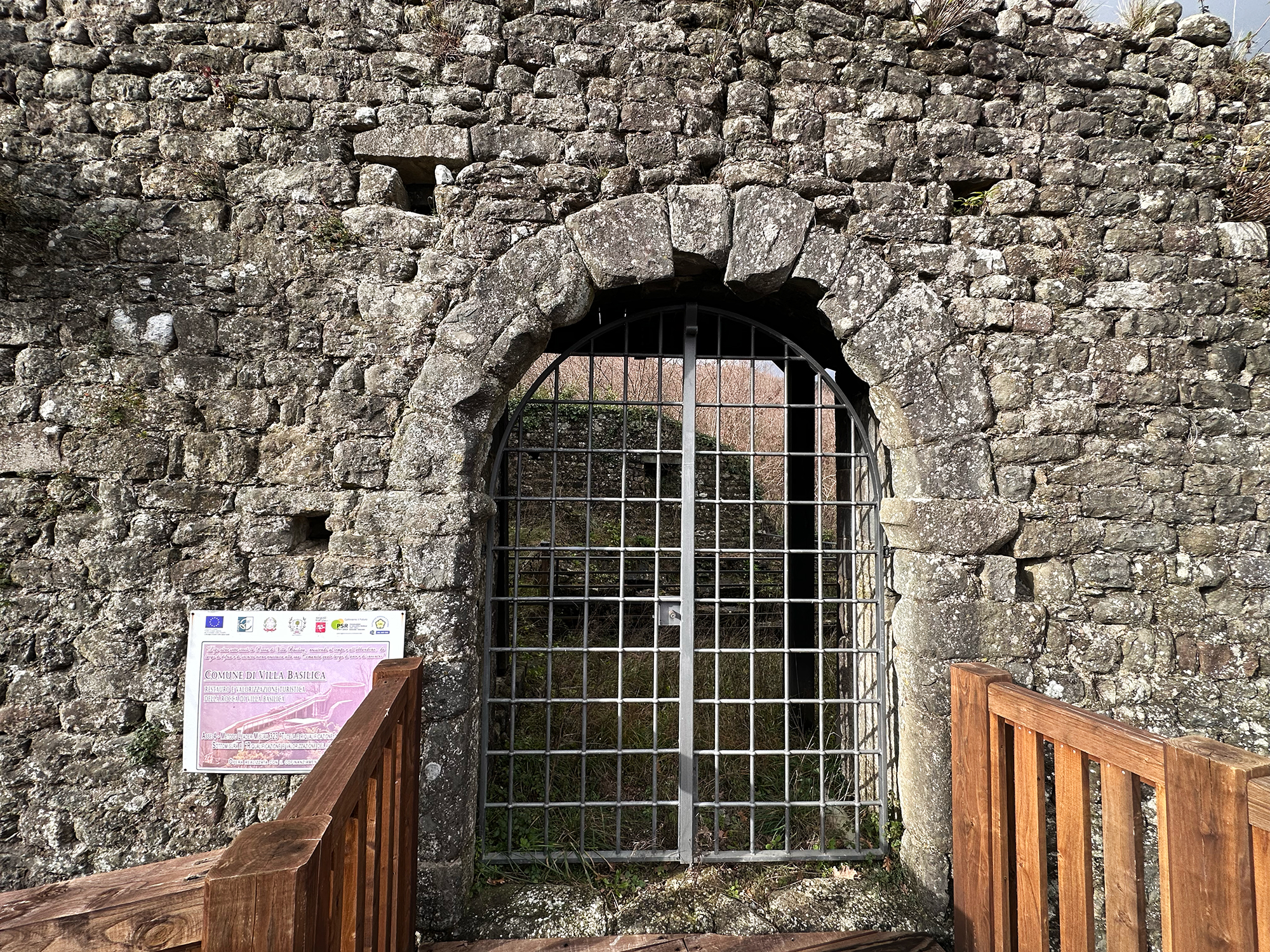
Despite recent interventions, including the construction of a new wooden access ramp to the main gateway, the Rocca is currently closed to the public, and its interior is in an evident state of abandonment.