How to reach
The castle can be reached via two routes: one from the valley, starting from the village of Tavella–Giovagallo, and one from above, just beyond the village of Novegigola. Both routes are of moderate difficulty: they begin with wider and easily walkable sections, but in the final stretch they become more demanding, with steeper slopes and narrower, uneven paths.
The walking time is approximately 20–25 minutes from the road to the castle. It is therefore necessary to undertake the hike with appropriate clothing and trekking footwear.
History
The Castle of Giovagallo, located in the municipality of Tresana, stands on a rocky hill overlooking the Penolo stream valley, in a naturally protected and difficult-to-access position. Its location perfectly reflects the strategic function of the castles of Lunigiana: to control the routes connecting Tuscany, Liguria, and Emilia, in a territory historically fragmented into small feudal domains.
The earliest records of the settlement date back to the 13th century, when Giovagallo appears in documents related to the relations between the Malaspina family and the bishops-counts of Luni. In 1266, the fief, including Bola and Novegigola, passed to Marquis Manfredi Malaspina, known as “il Lancia,” who expanded and fortified the castle, also building a walled village on a steep and nearly inaccessible hill.
The complex represented a typical example of a self-sufficient feudal settlement: in addition to the residence of the marquises, it housed soldiers and servants, featured a large cistern fed by a spring through an underground conduit, and included a small oratory. From its dominant position, the castle controlled the valley’s roads and much of the surrounding territory, playing a key role in the defensive system of Lunigiana.
The history of Giovagallo is linked to the name of Moroello Malaspina, son of Manfredi, a prominent political figure of the time, married to Alagia Fieschi. Both are mentioned by Dante Alighieri in the Divine Comedy: Alagia appears in Purgatory as an example of virtue. However, Dante’s direct presence in the Castle of Giovagallo remains debated among scholars. According to tradition and some interpretations, his stay in Lunigiana and his connection with Moroello Malaspina may have played a role in the resumption of writing the Divine Comedy, also in light of the story of the early cantos that were rediscovered and delivered to the poet.
Over the following centuries, the fief followed the complex history of the Malaspina family, marked by inheritance divisions and local conflicts. With the gradual shift in political balances and communication routes, the castle slowly lost its strategic importance and was progressively abandoned.
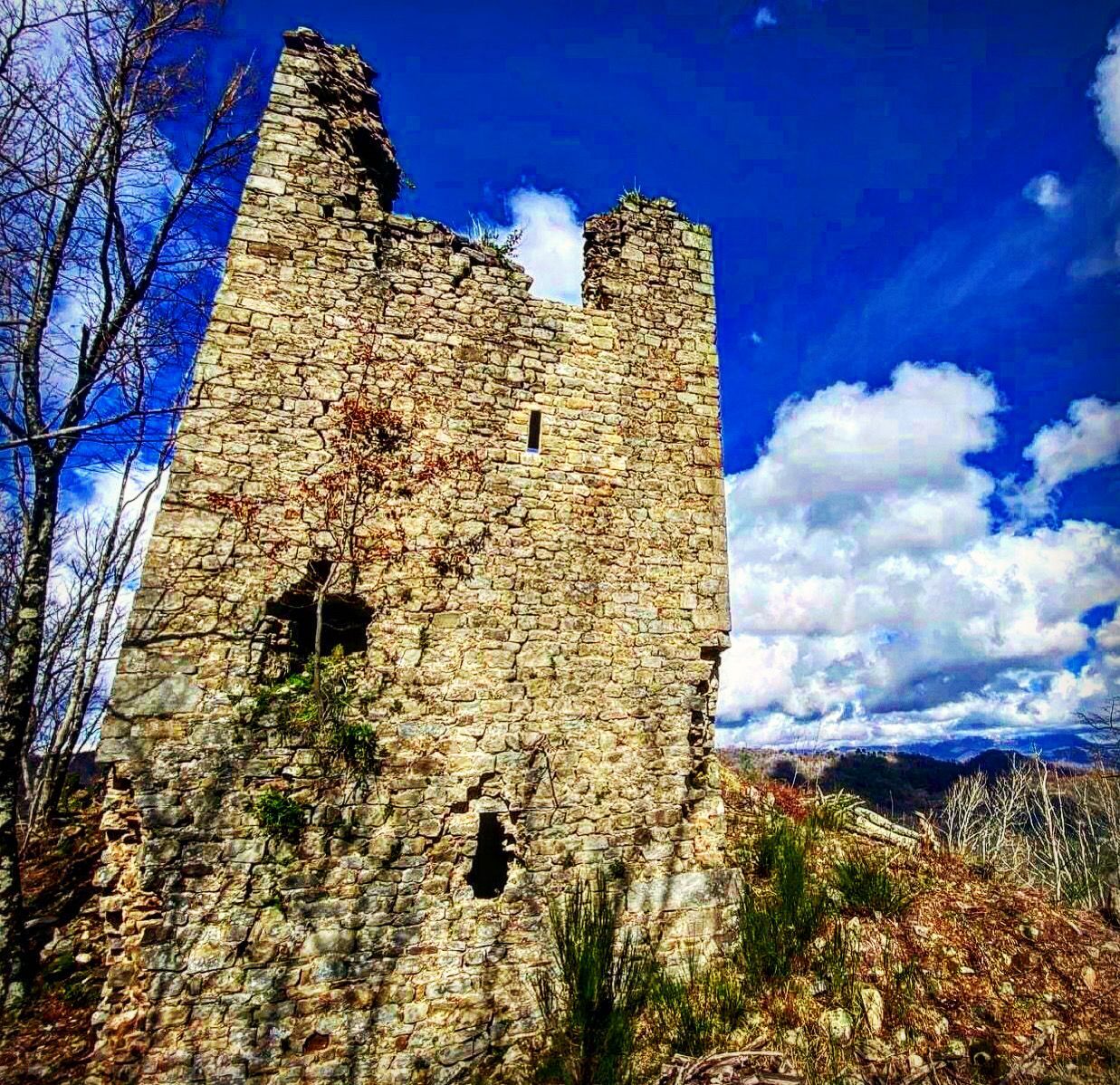
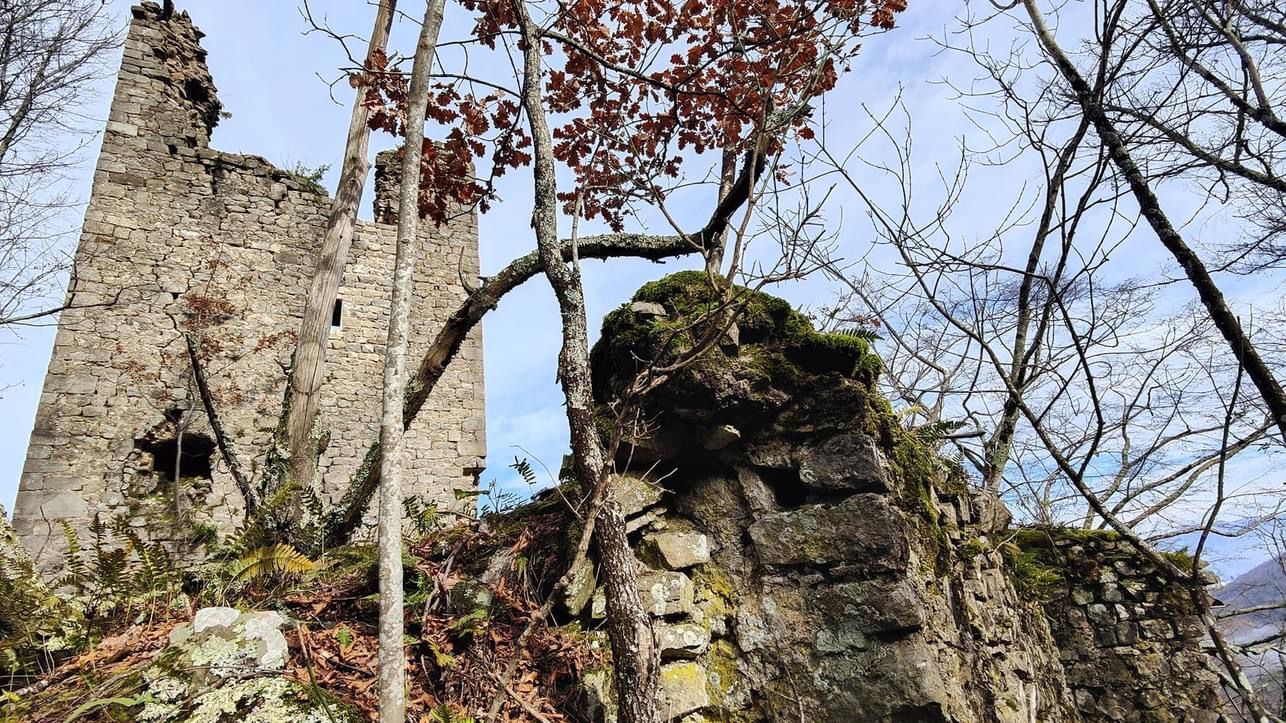
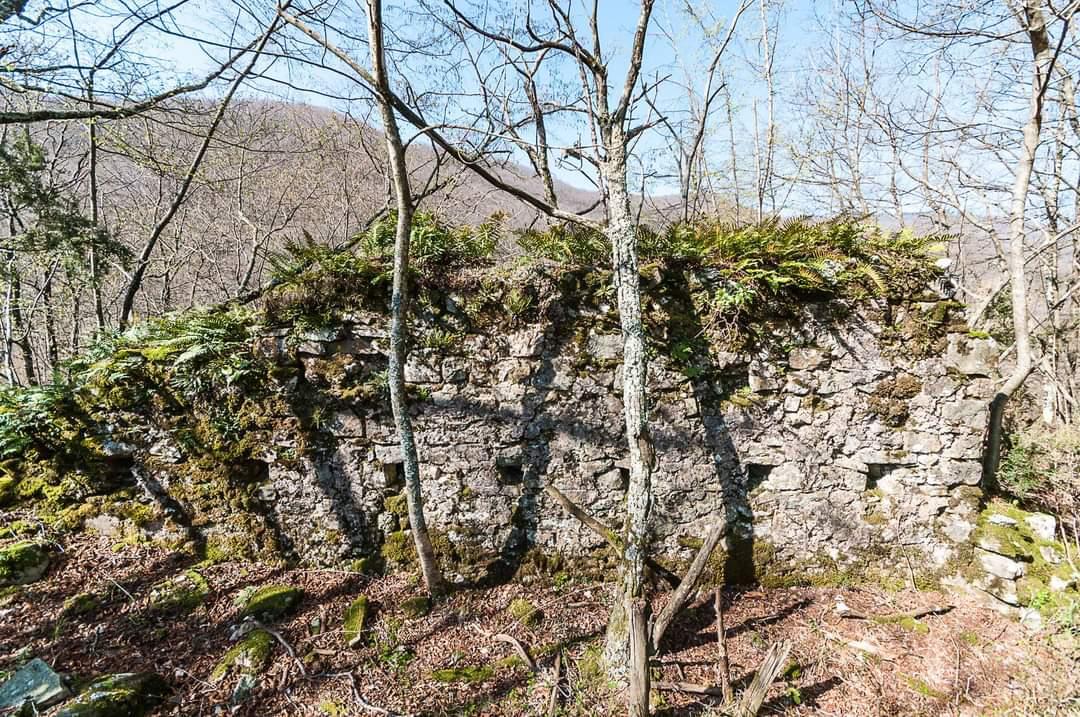
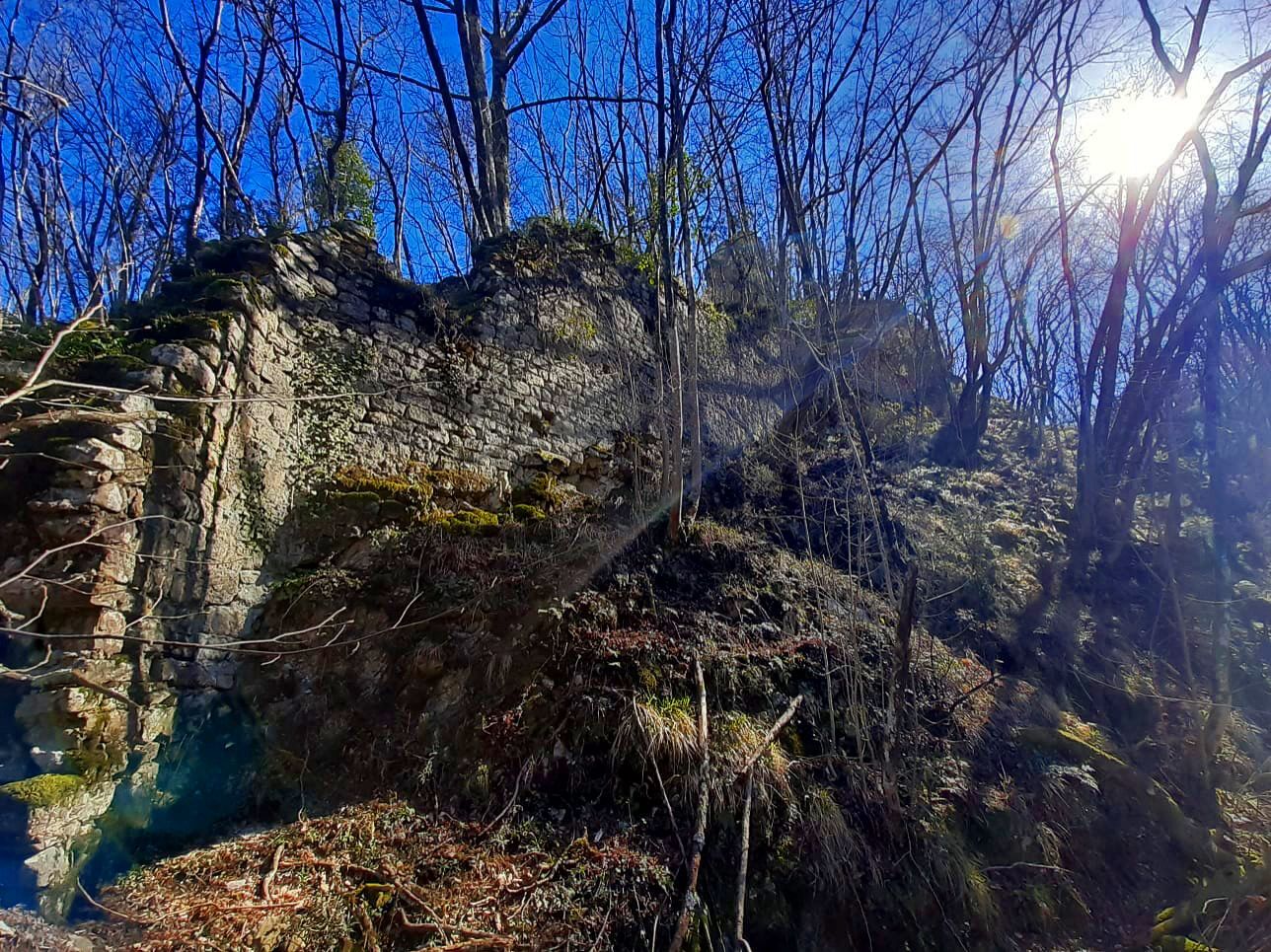
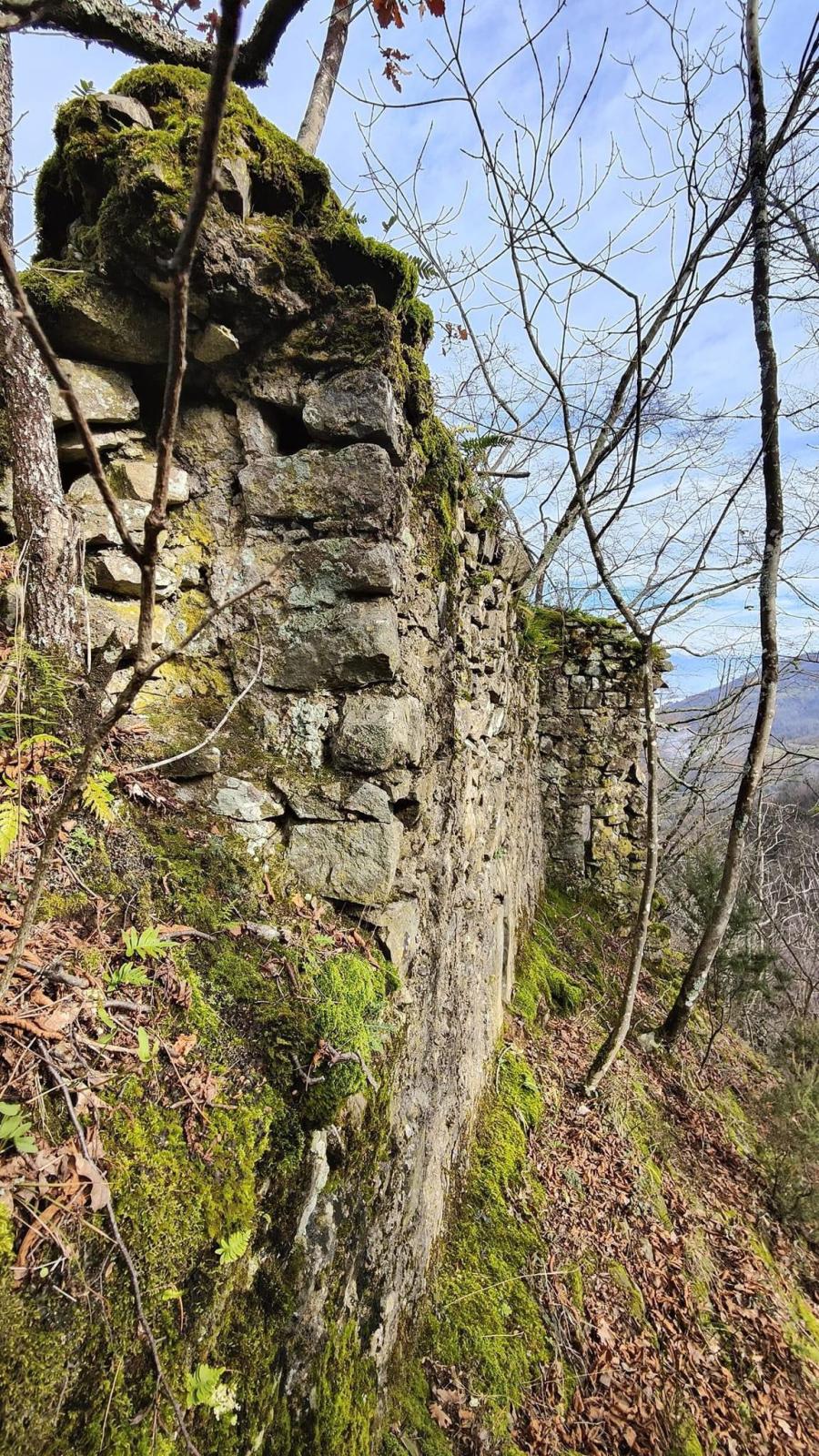
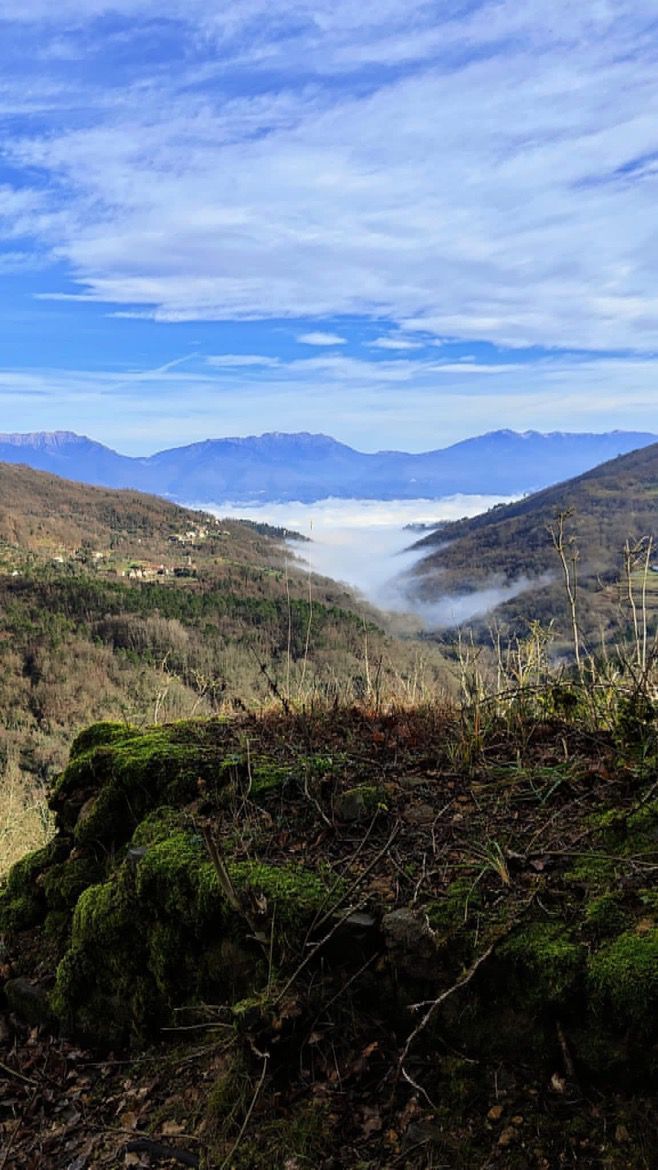
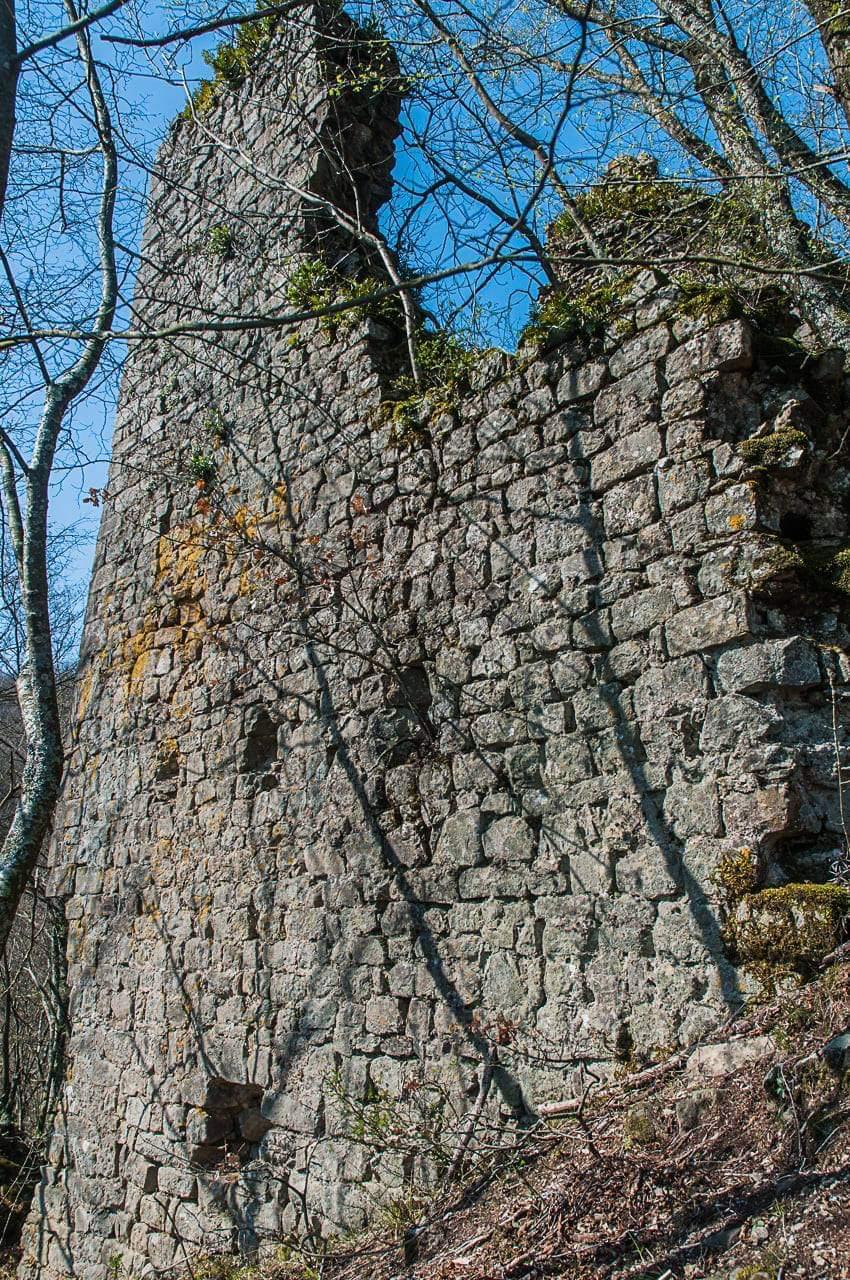
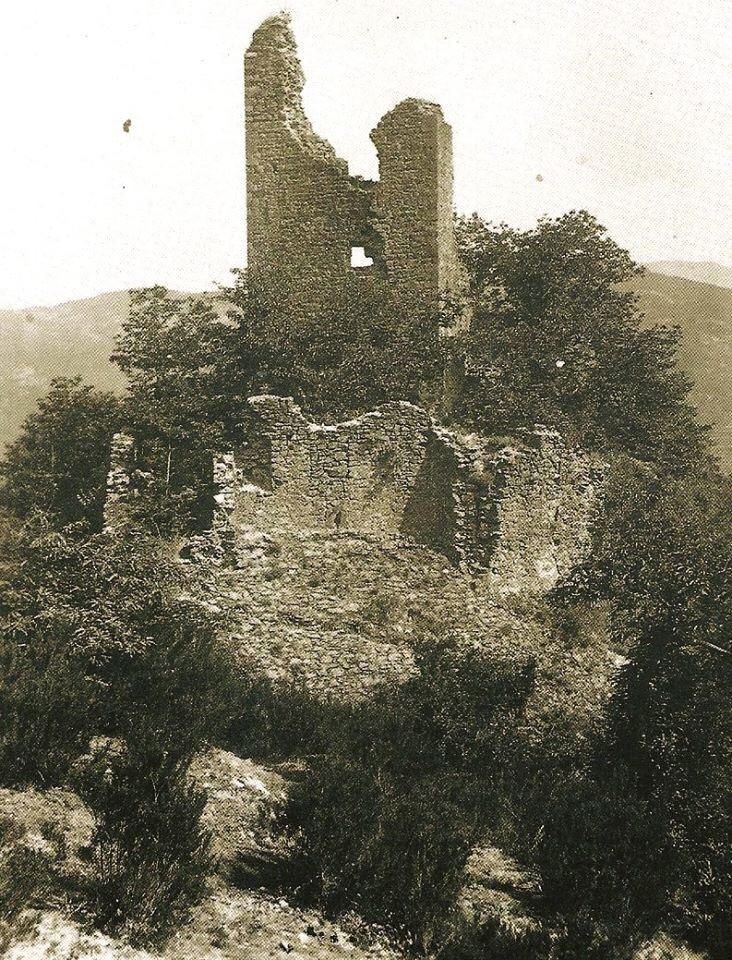
Today, the Castle of Giovagallo appears as a fascinating medieval ruin surrounded by woodland, far from the main tourist routes yet rich in charm and memory. The remains of its walls and village structures still tell the story of a place that, despite its isolation, was for centuries an important stronghold of medieval Lunigiana. Accessible via trails leading to the top of the hill, the site still offers breathtaking views and an authentic immersion in the history of the territory.