How to reach
Cerreto Castle stands on a hilltop overlooking the Val d’Arbia and a wide stretch of the Chianti region. It lies just a few kilometers from the villages of Pianella and Pievasciata, along a scenic unpaved panoramic road — the Strada Comunale SC16 of Pievasciata — accessible from the SP408 by following the sign for “Hotel le Fontanelle.”
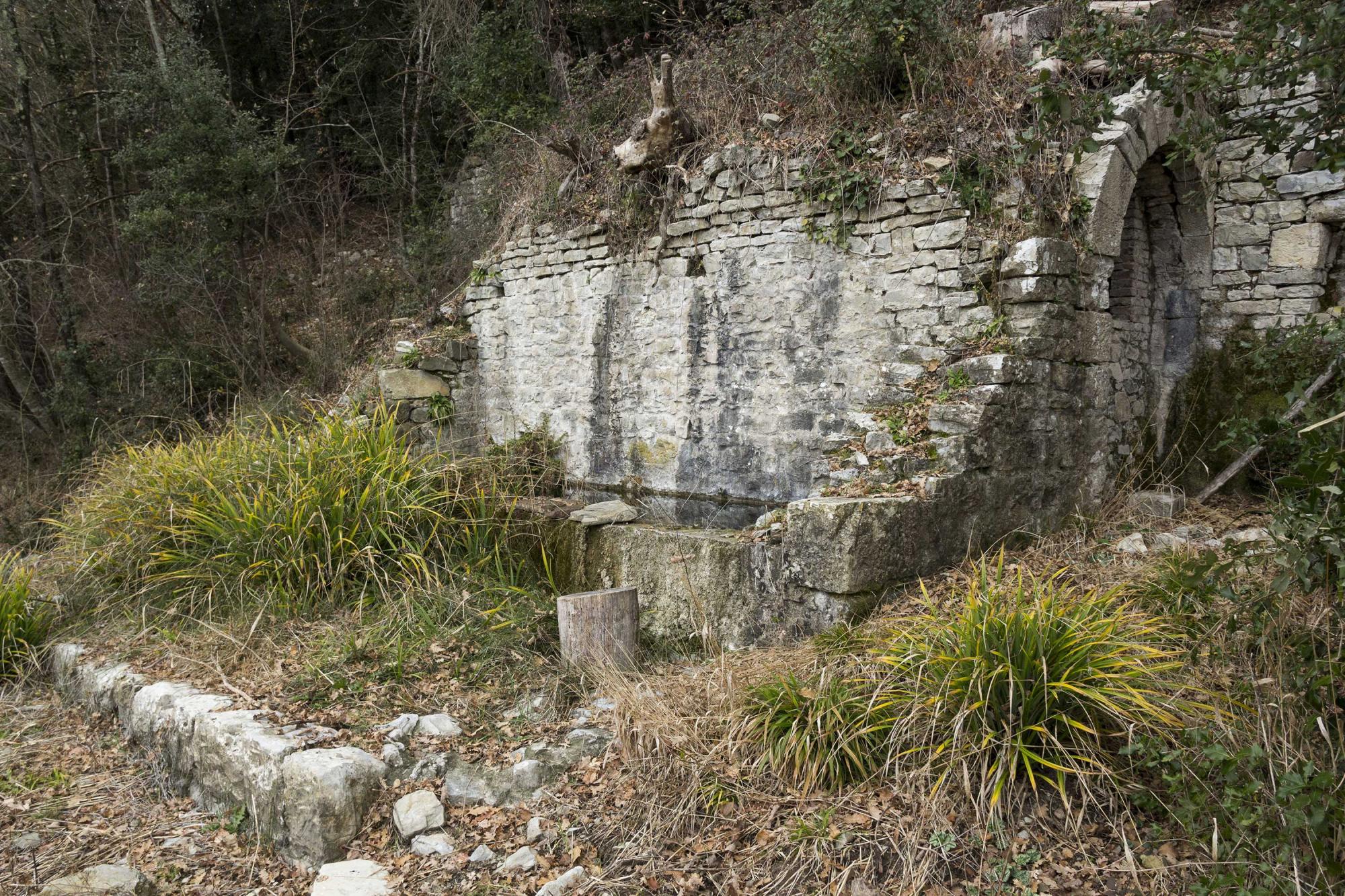
After about 2 kilometers, park near Villa il Cerreto and continue on foot for a few hundred meters through the woods, taking the path on the left beside a small chapel located at the edge of the road.
History
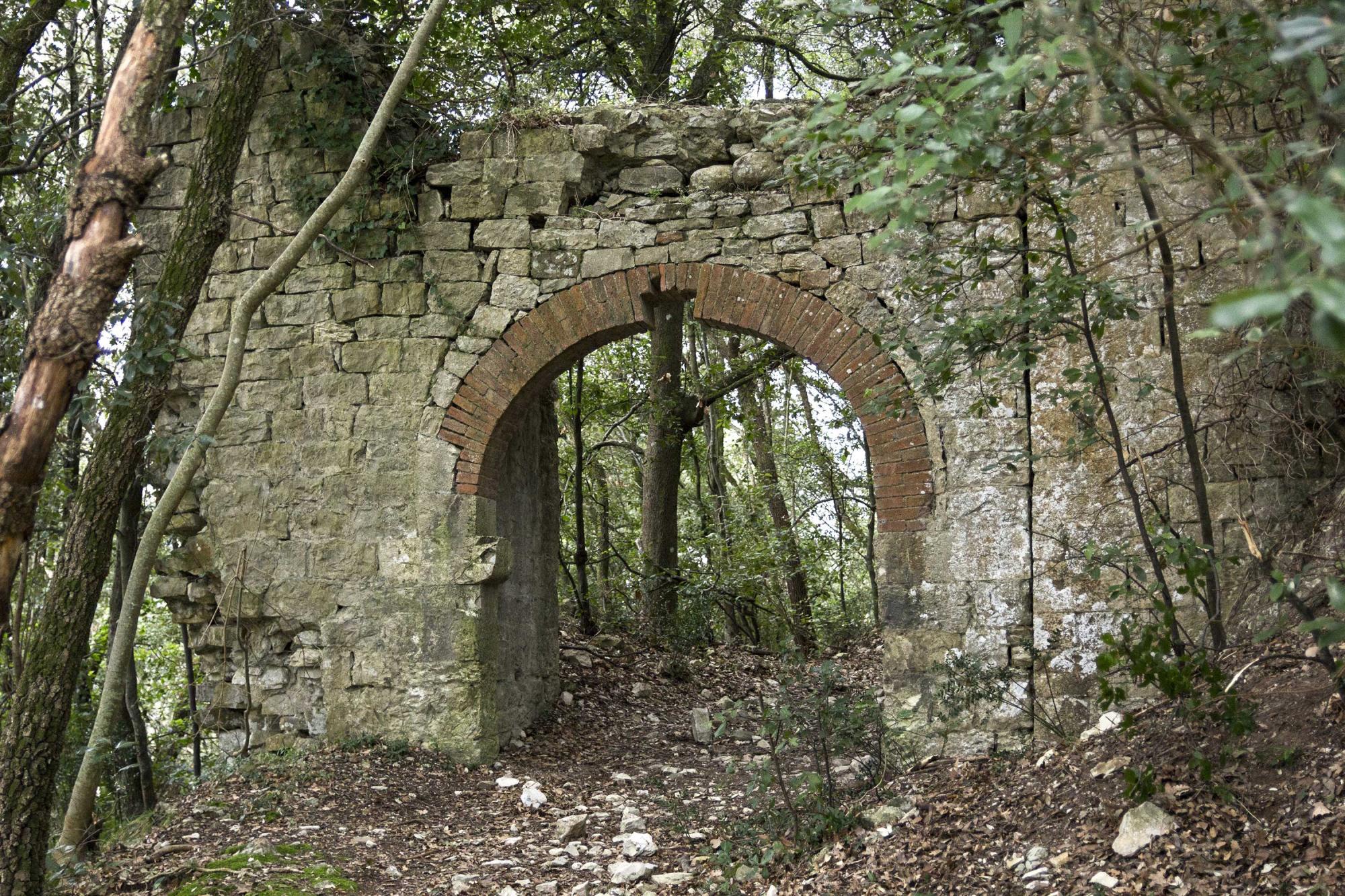
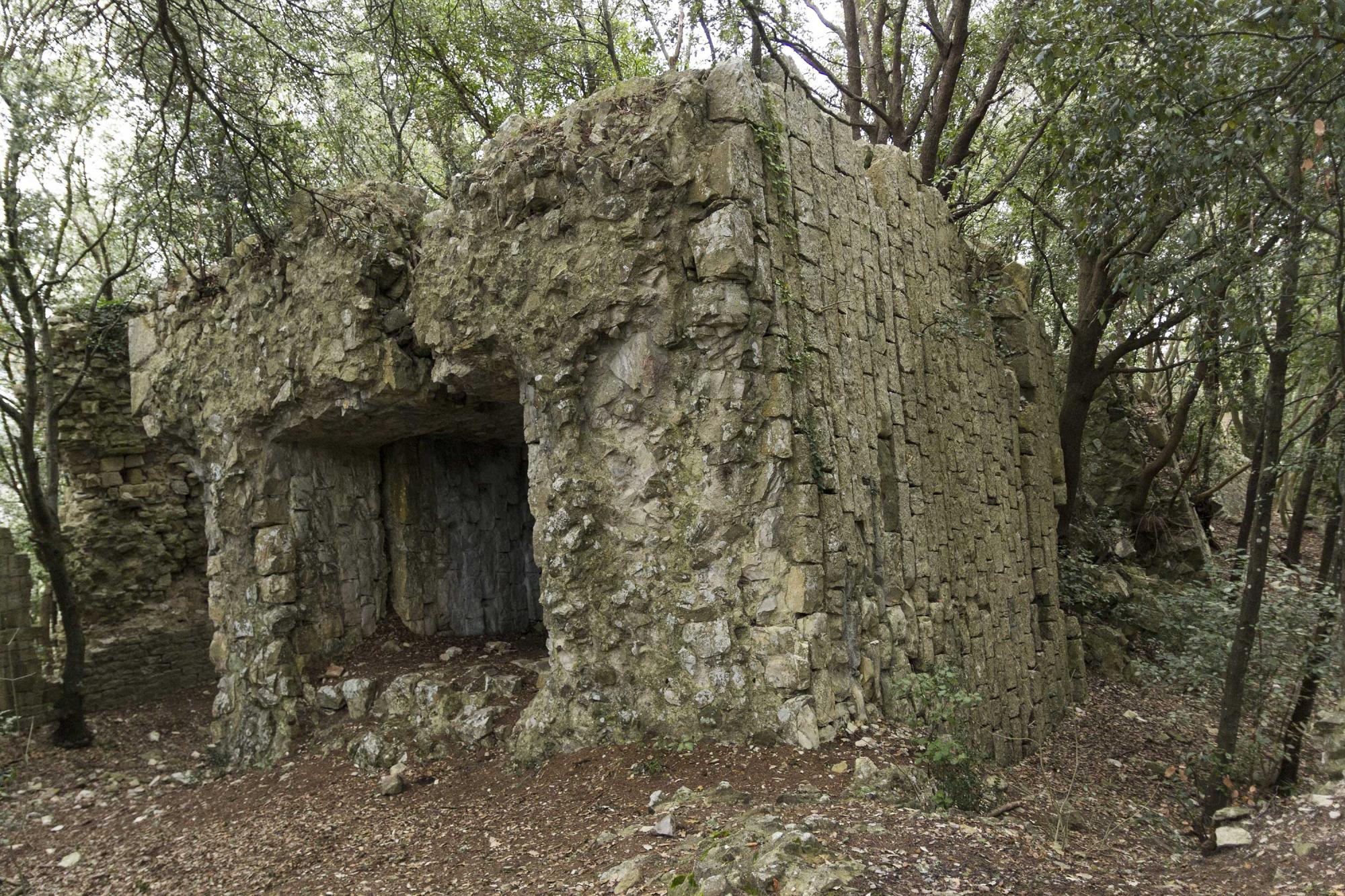
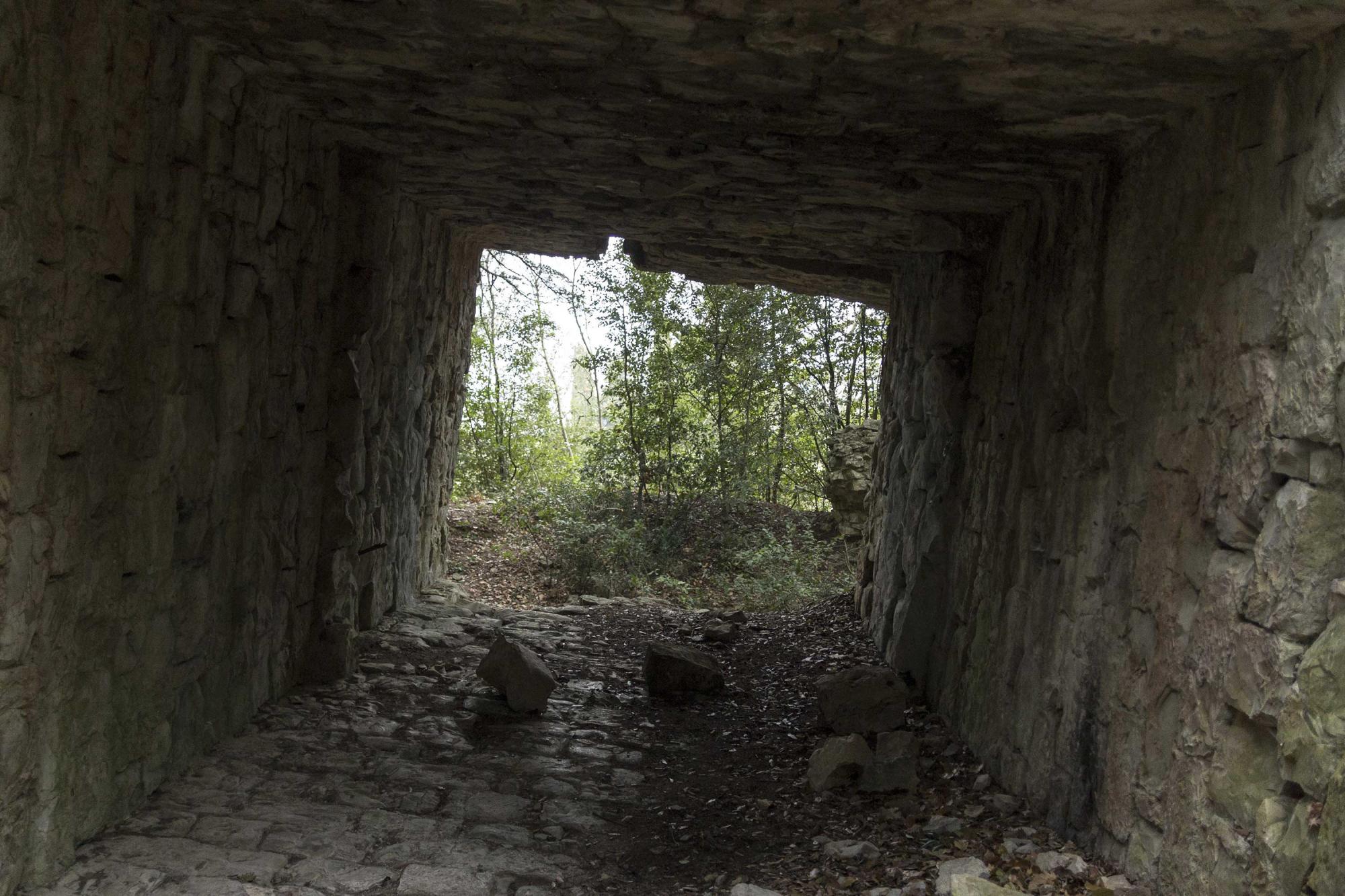
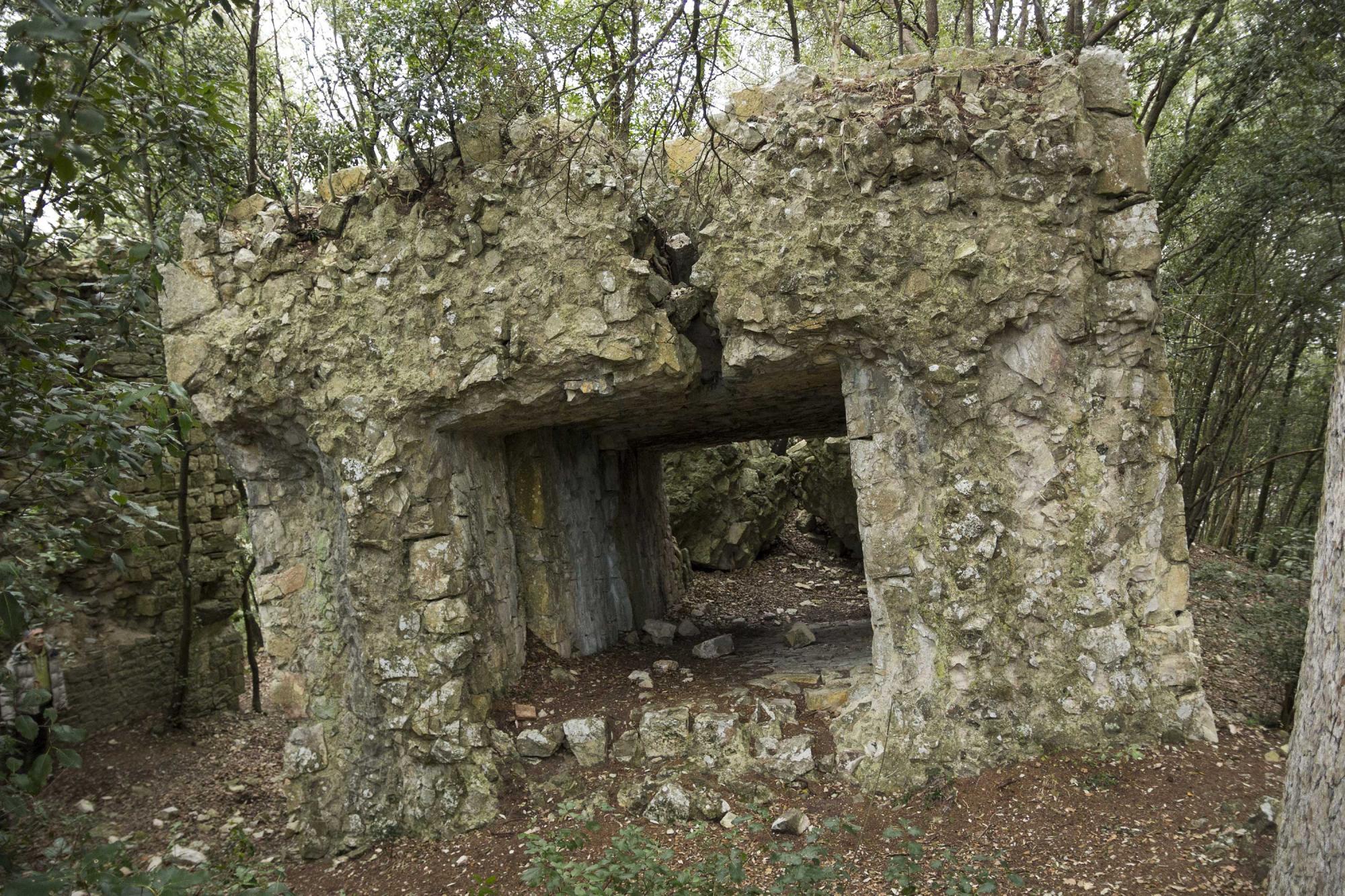
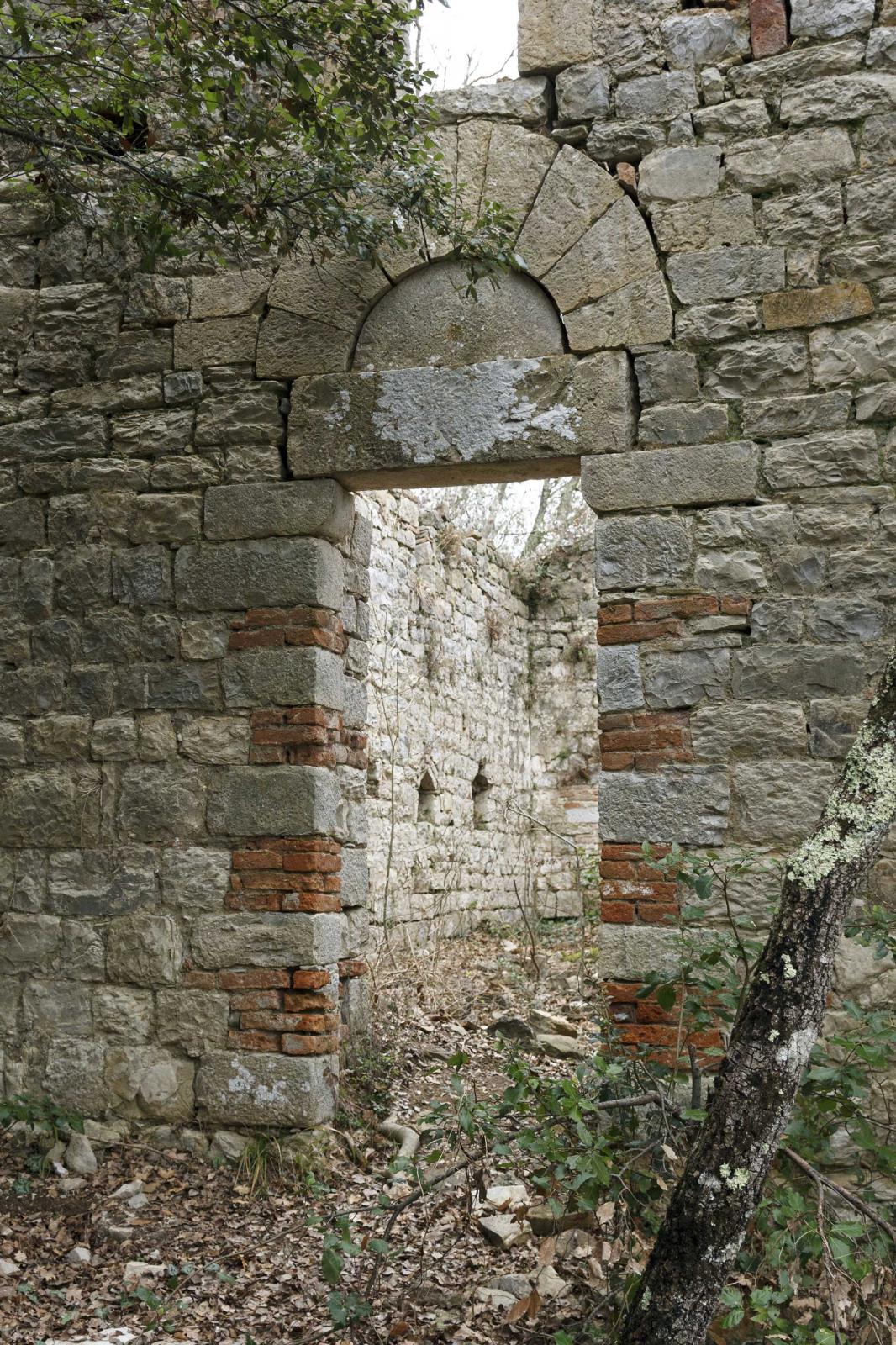
Today, few people know that between Pievasciata and Pianella, near the Arbia river, the ruins of the Cerrettaccio still survive. We are in the heart of the Chianti Senese, just a few kilometers from Siena, along a path immersed in a dense holm oak forest: suddenly, through the vegetation, a stone arch appears before us—the entrance to the ancient castle of Cerreto Ciampoli.
This fortification, which for centuries defended the territory along the Arbia valley, was part of the complex defensive system of the Republic of Siena, engaged in controlling its borders with its rival, the Republic of Florence. In this context, the Cerrettaccio was not a large urban stronghold, but a frontier structure, intended to guard the territory and control local routes, often the scene of clashes, sieges, and frequent changes of ownership.
Some archival documents confirm the existence of the castle as early as 1097 and attest that in 1142 it was sold to a local consortium, later known as the Cerretani, from which the site takes its name. Around 1230, a Podestà of the Republic of Siena was sent here every six months to administer justice, a sign of the site's strategic importance.
In 1232, the castle was conquered by the army of the Republic of Florence, within the context of ongoing conflicts between the two powers for territorial control. An agreement imposed the destruction of the fortification, but this was never actually carried out. By the end of the 13th century, Siena gradually regained possession of the complex, obtaining full control in 1348.
During the 14th and 15th centuries, Cerreto Ciampoli underwent a significant architectural transformation: from its original settlement, it evolved into a true fortress.
Over time, its isolated and difficult-to-control position made the castle an ideal refuge for brigands and Sienese exiles. For this reason, in the first half of the 16th century, Siena itself ordered its final destruction.
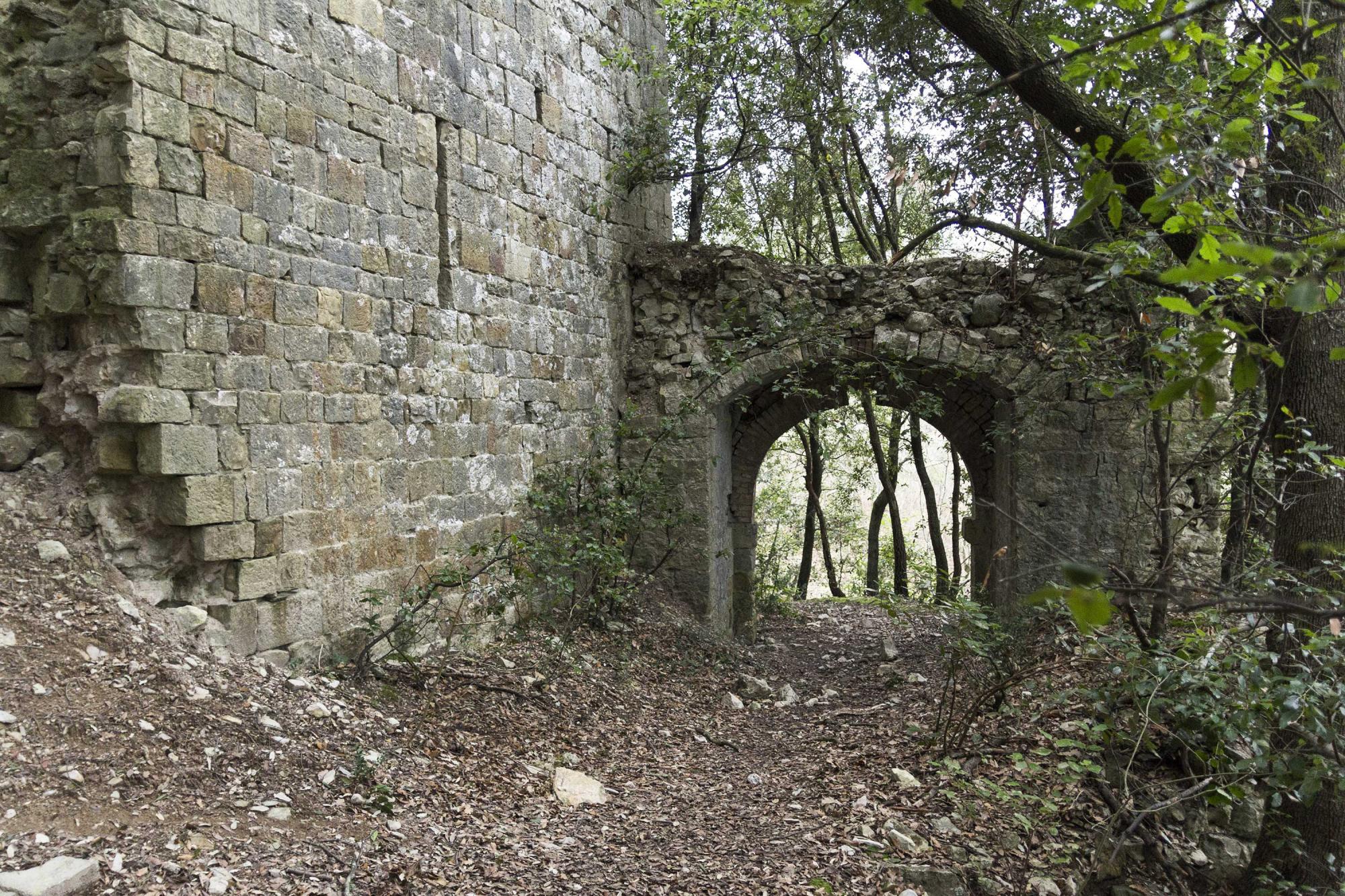
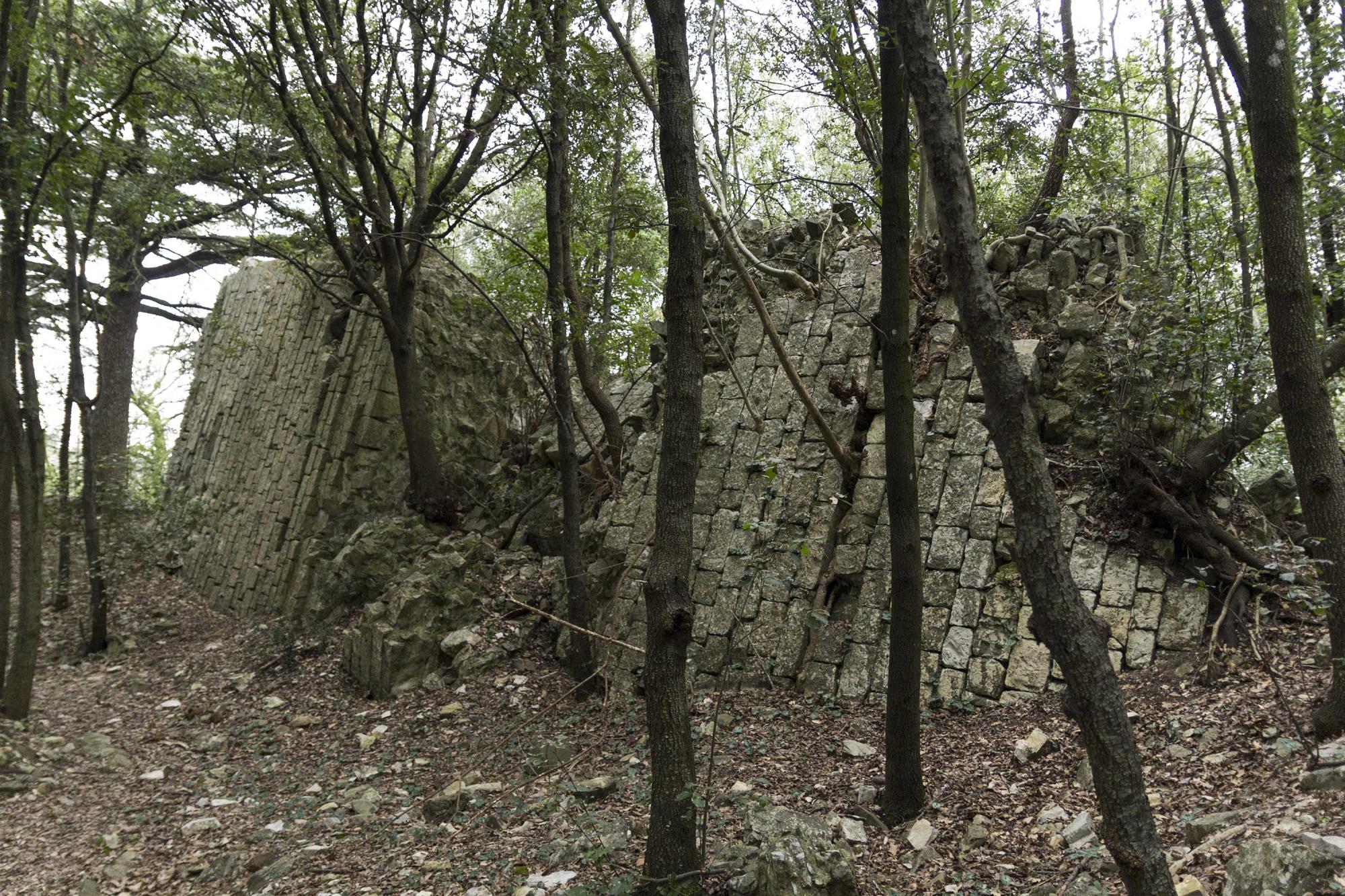
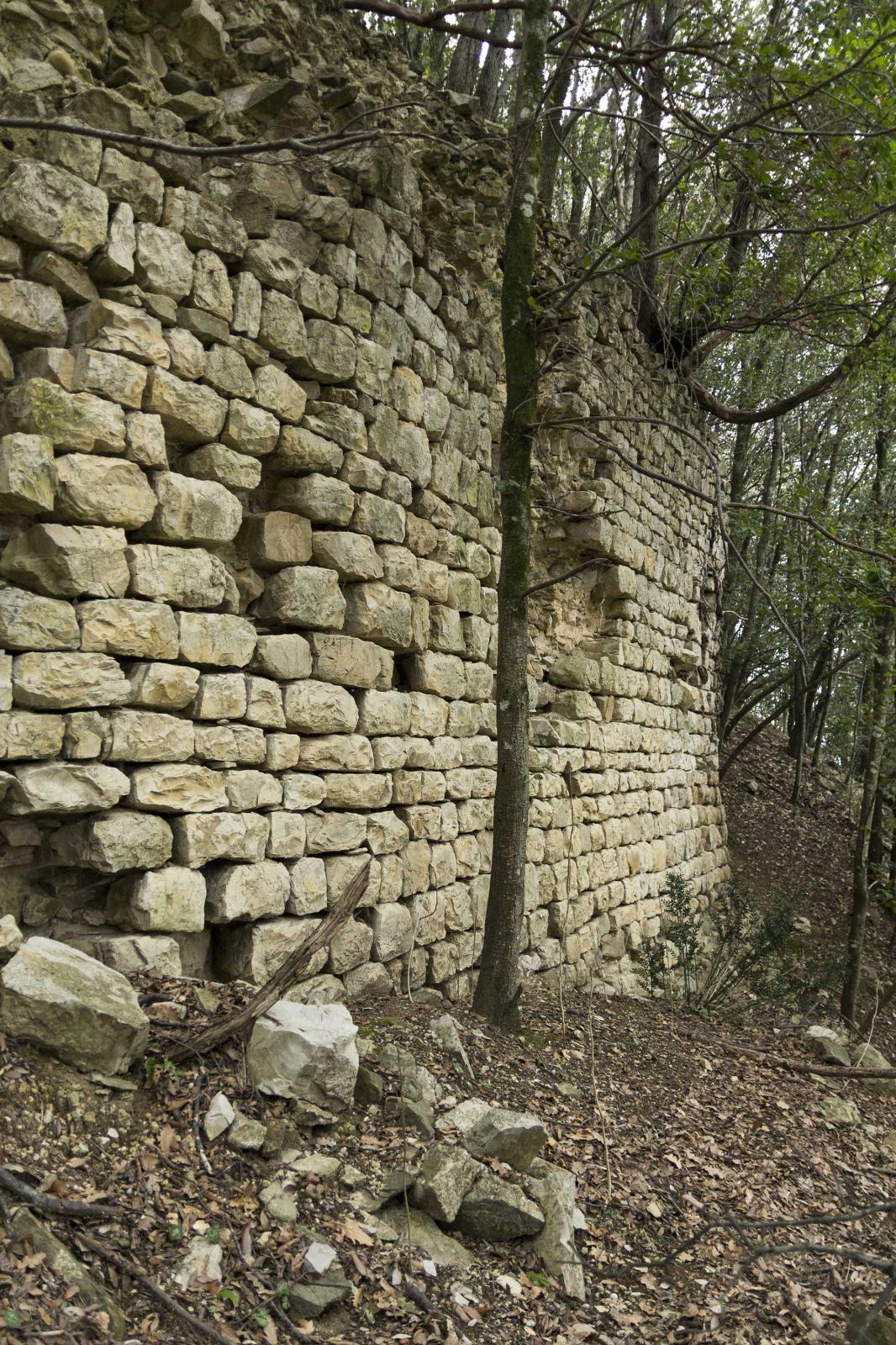
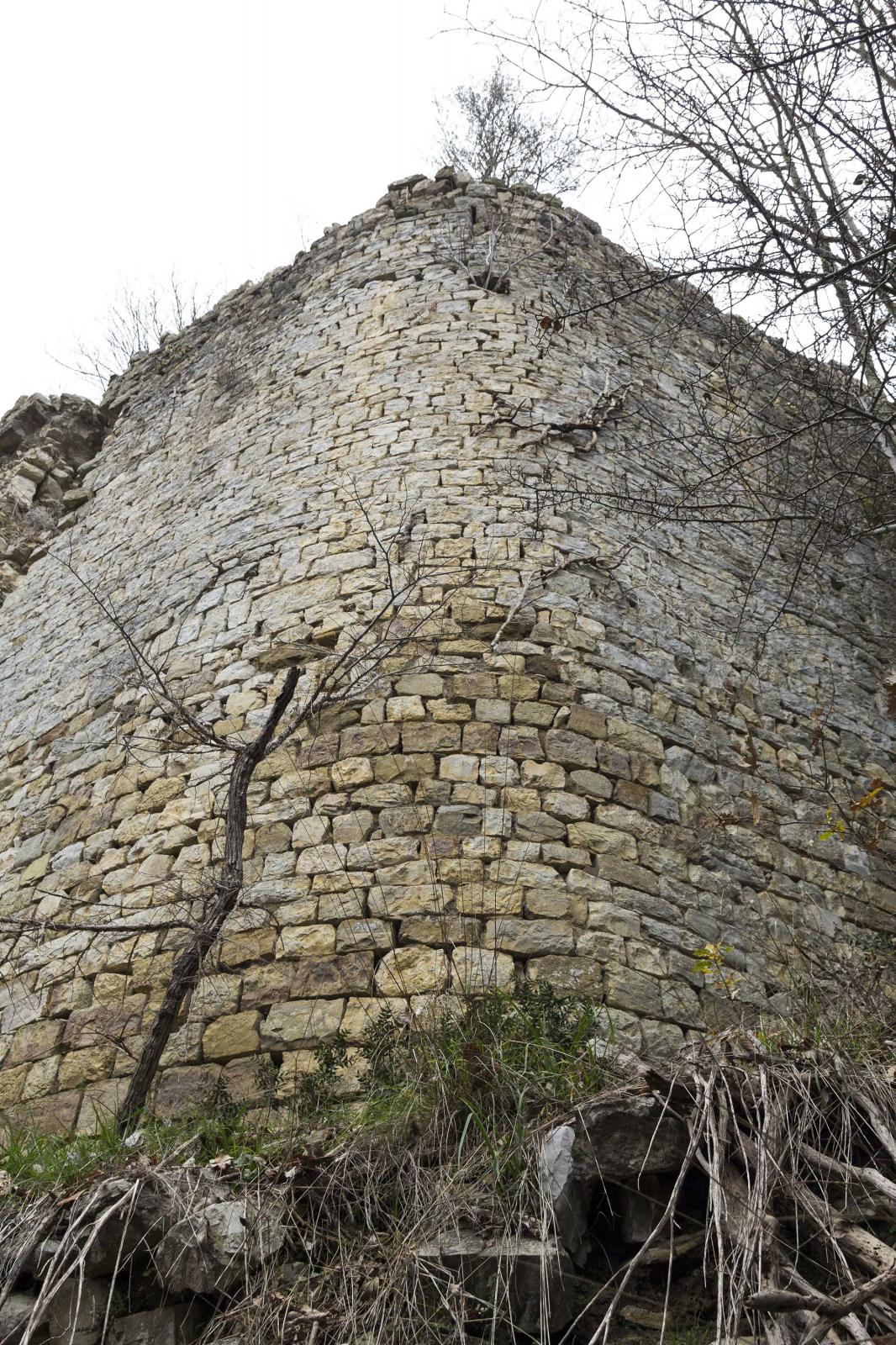
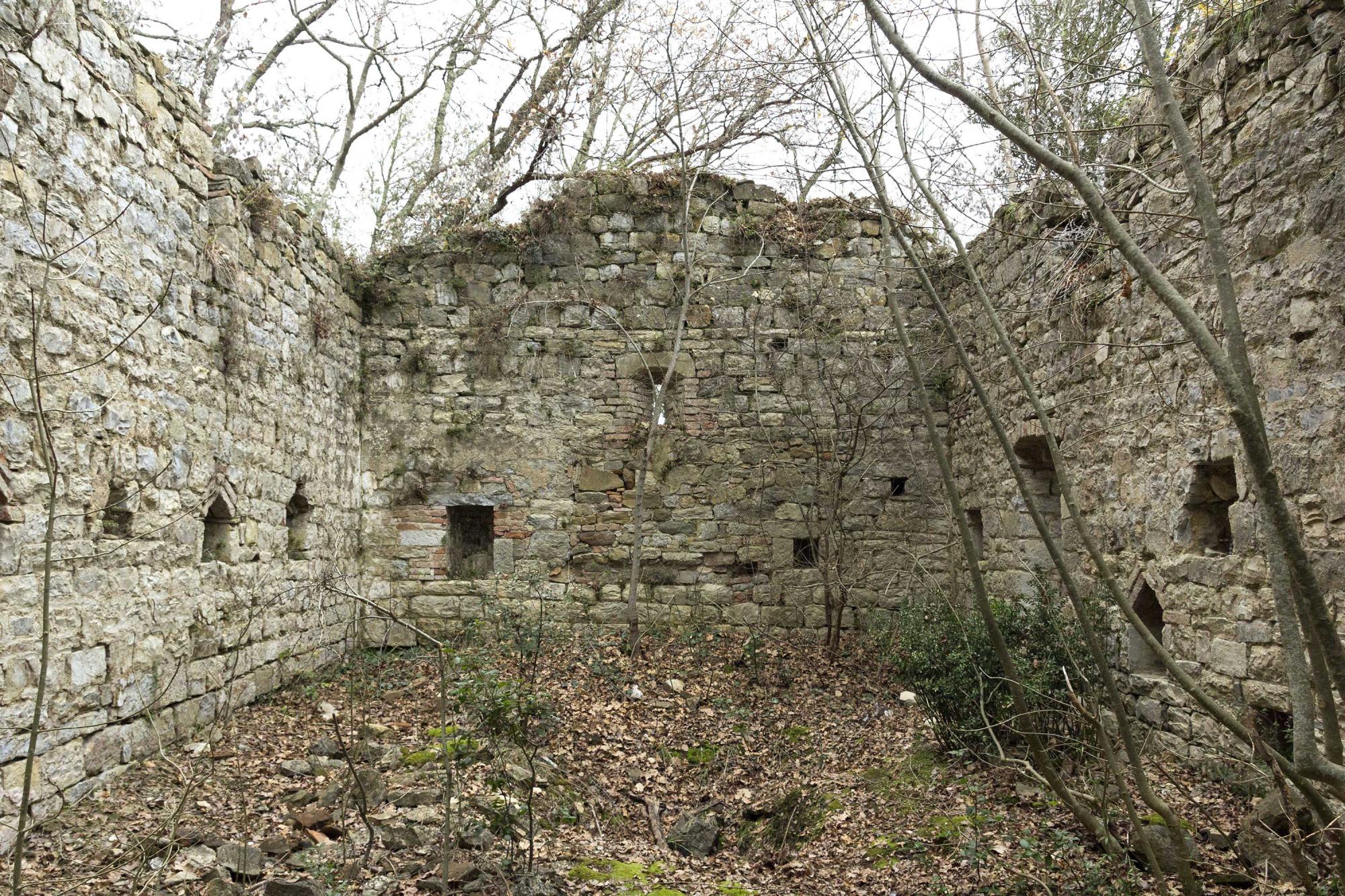
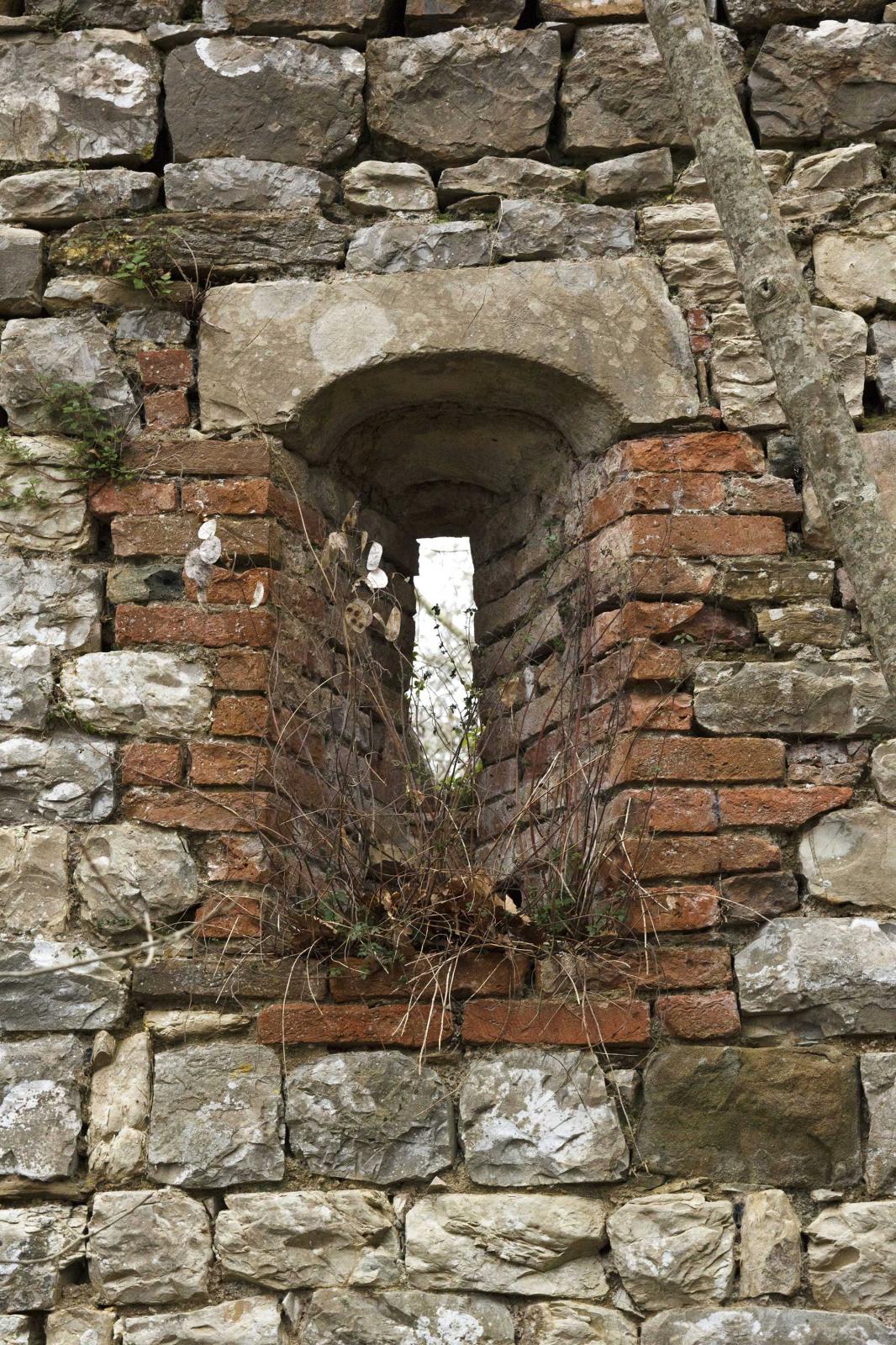
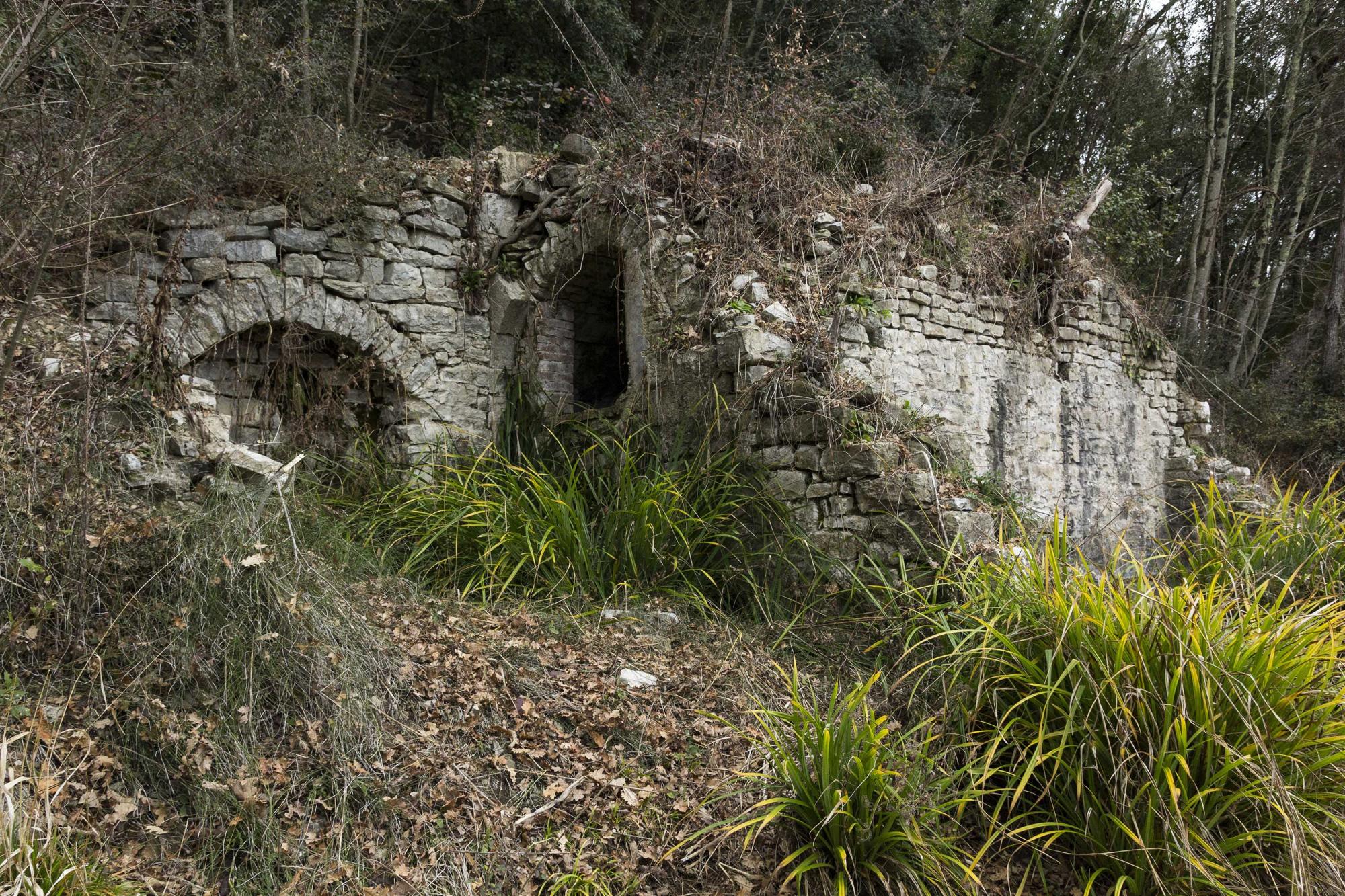
Even today, by analyzing the surviving structures, the different construction phases can be clearly identified. The ruins, partly hidden by vegetation, preserve significant elements: remains of the double defensive walls, traces of dwellings—one of which likely had a vaulted ceiling—a stone staircase, and a road carved into the rock along the northern side. On the north-west side, a round-arched gate can still be recognized, while a second opening on the south-west side is only hypothesized due to collapses.
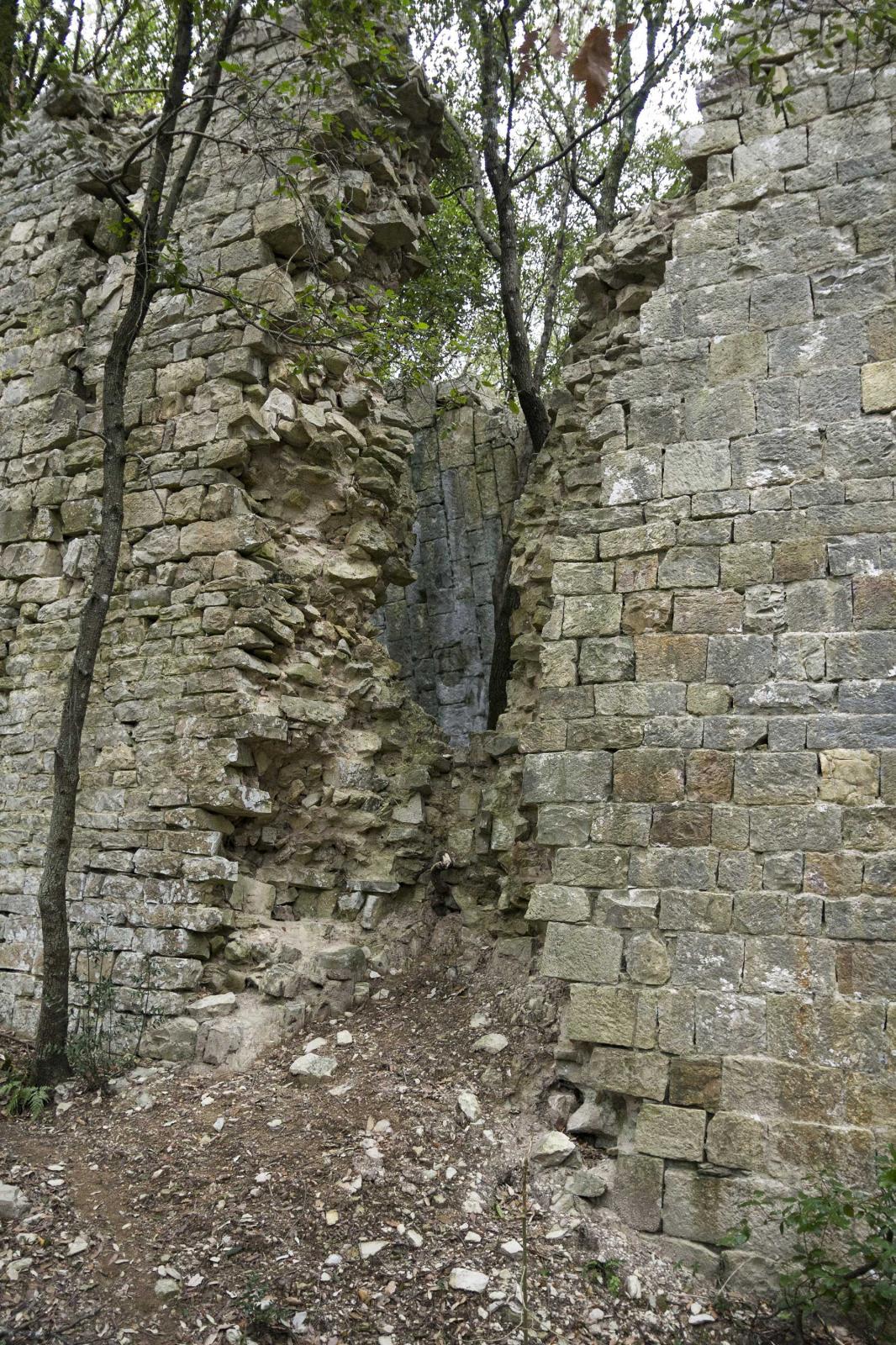
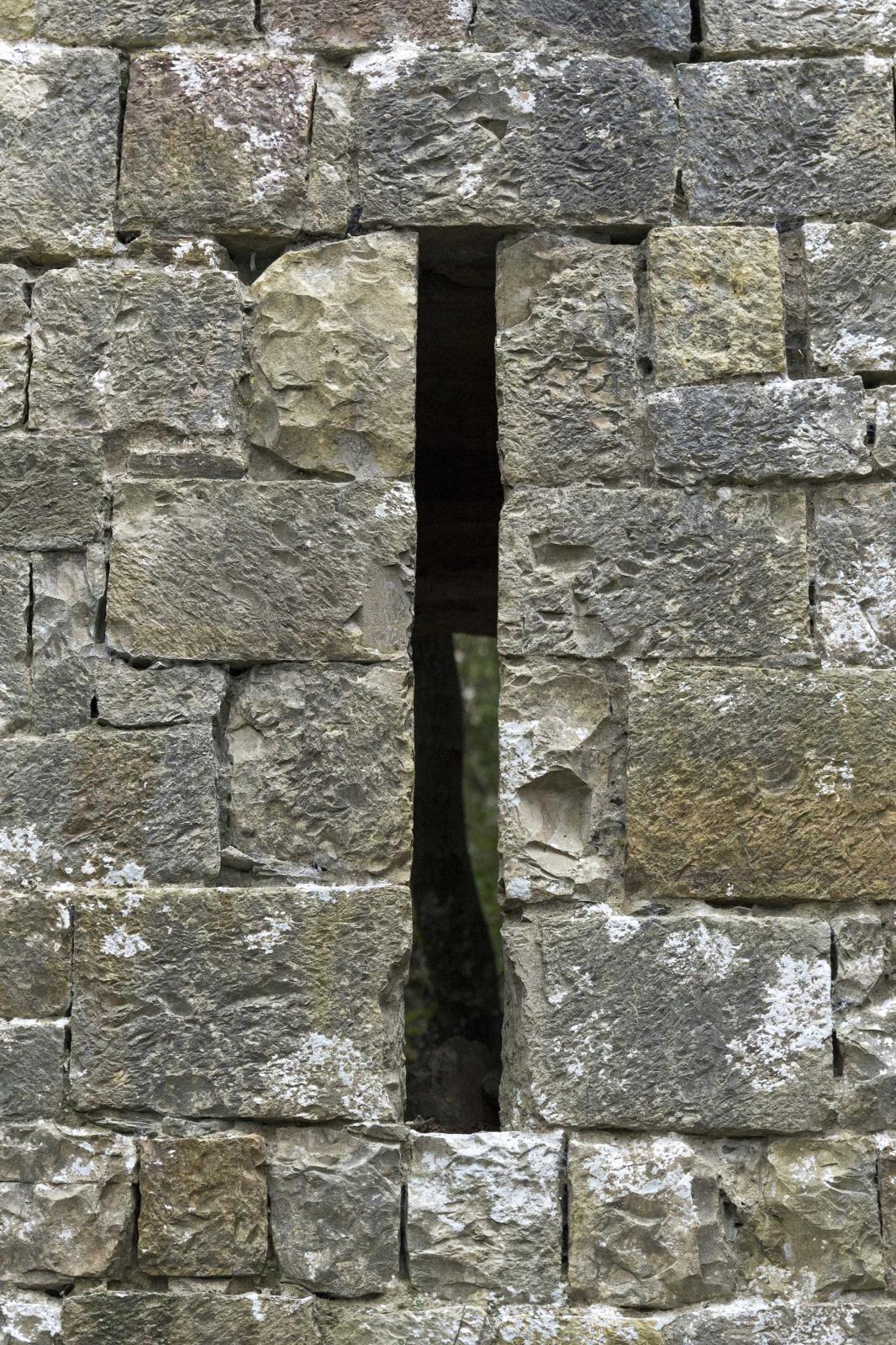
Particularly striking are the remains of the keep tower, demolished in the 16th century but still legible in its imposing structures. Today, the tower appears as five large fallen sections lying on the ground: the first section measures approximately 7.5 meters in length. The tower walls, which at the base exceed two meters in thickness, are characterized by squared stone facing and a concrete core with a high degree of cohesion. The upper part of the structure was instead built in brick, as evidenced by the terminal sections of the collapse, offering a clear understanding of the construction techniques used.
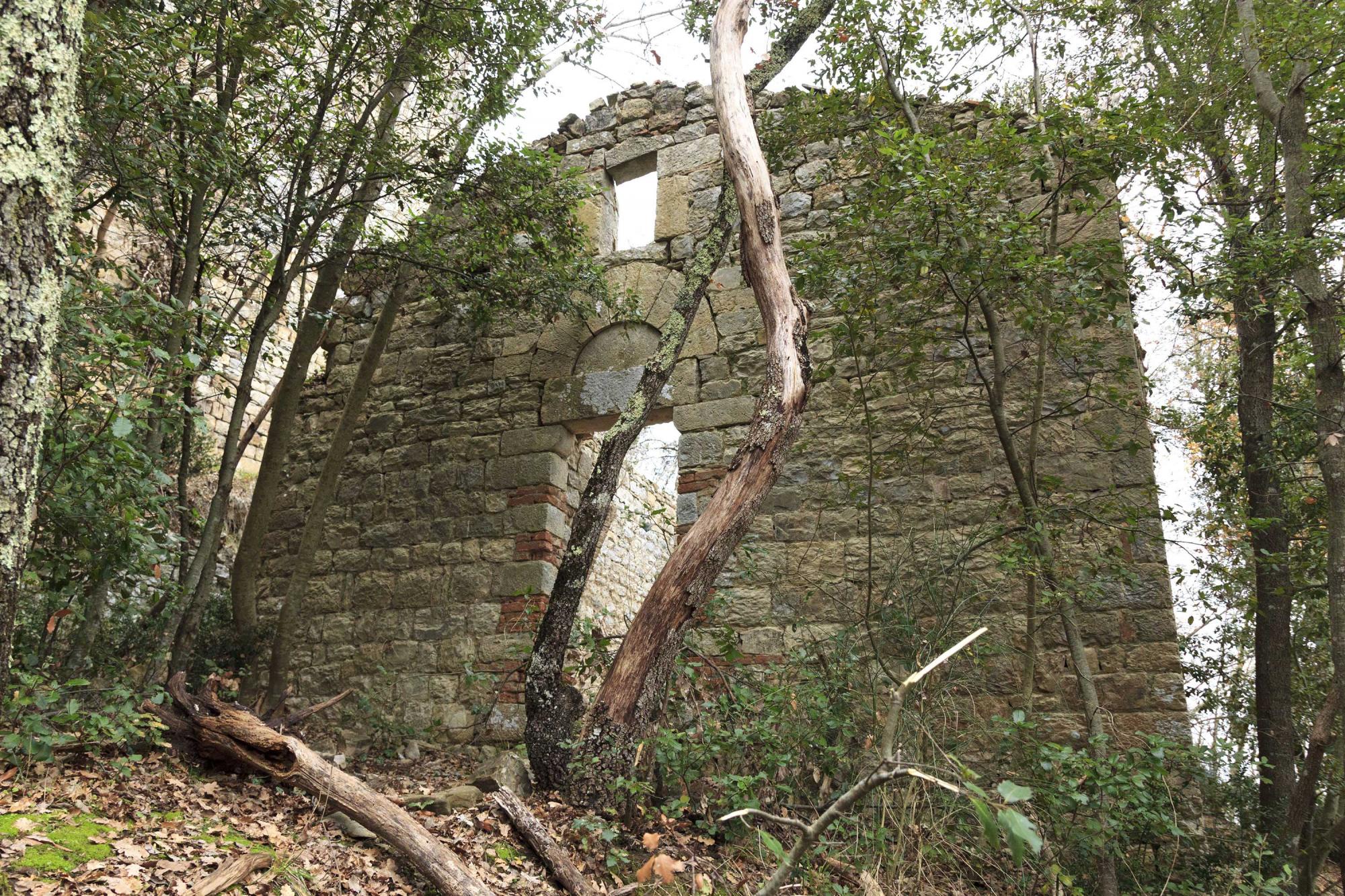
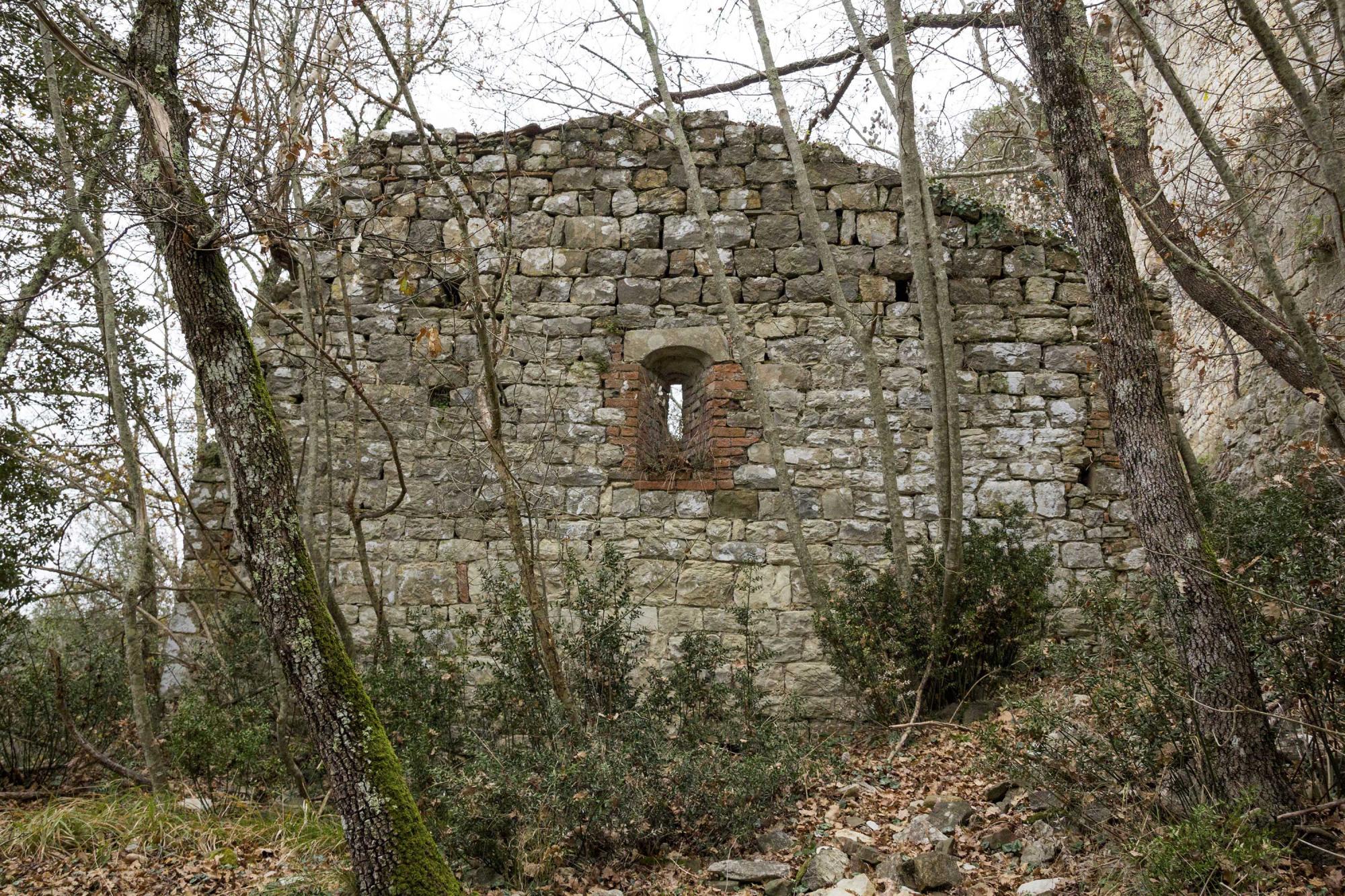
Outside the defensive walls, there is also a small rectangular church, identifiable as the subsidiary church of Santo Stefano a Cerreto, characterized by an interesting monolithic architrave on the façade.
Visiting the Cerrettaccio means experiencing something different from the more famous castles of Chianti. While places such as the Castello di Brolio or the Castello di Meleto offer structured routes linked to wine tourism, here you enter a more authentic and wild dimension: the silence of the forest, the challenging path, and the discreet presence of the ruins give visitors the feeling of an almost archaeological discovery.
The Cerrettaccio thus represents one of the most fascinating examples of a “minor” fortification in the Sienese territory: less monumental, yet essential for understanding the medieval defensive system and the relationship between landscape, strategy, and power in the Chianti.
More info & notes
Photos by Francesco Viti