



How to reach
Castel San Niccolò dominates the modern village of Strada in Casentino; it is reachable from the SS70 Umbro-Casentinese.
History
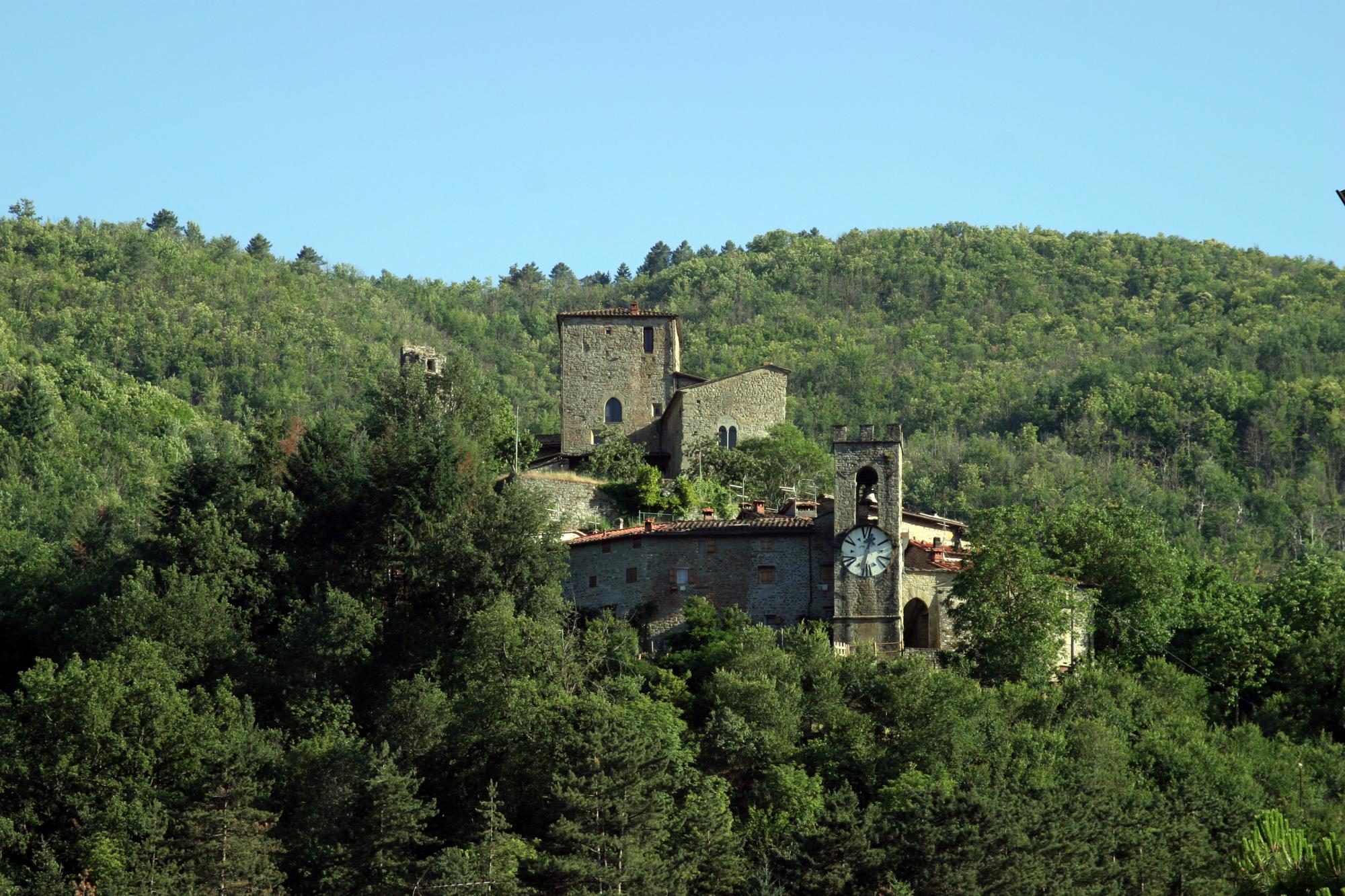
The ancient castle of S. Niccolò, already known as 'Court of Vado', rises on a high hill above the valley of the Solano stream, tributary of the Arno. The Castle is first mentioned in documents dating to 1029. It was one of the strongest fortresses of the Guidi from Battifolle and its history is closely connected with that of this powerful feudal family.
Since 1212 the Lord of the castle was the Count Guglielmo Novello, then succeeded by his son Galeoto, who brought tyranny and cruelty to the land. In 1349 the people of Castel S. Niccolo, together with those living in the nearby castles, including Montemignaio, rose up against the feudal power. Once taking possession of the castle, the inhabitants were subdued by the Florentine Republic, which made the place the seat of the new Podesteria, called 'Montagna Fiorentina', born from the union with Montemignaio and Battifolle.
In 1440 the castle vainly attempted to withstand the siege of the troops commanded by Niccolò Piccinino, joined with the army of the Guidi of Poppi. The cruelty of this long siege remained in the history: anyone that tried to escape from Castel S.Niccolò was captured and launched with a trebuchet back into the castle, creating total pure mayhem. After taking the castle by storm, for revenge, all the inhabitants were hung along the curtain walls. After these bloody actions the Florentine Republic dismantled all the castles of the Casentino.
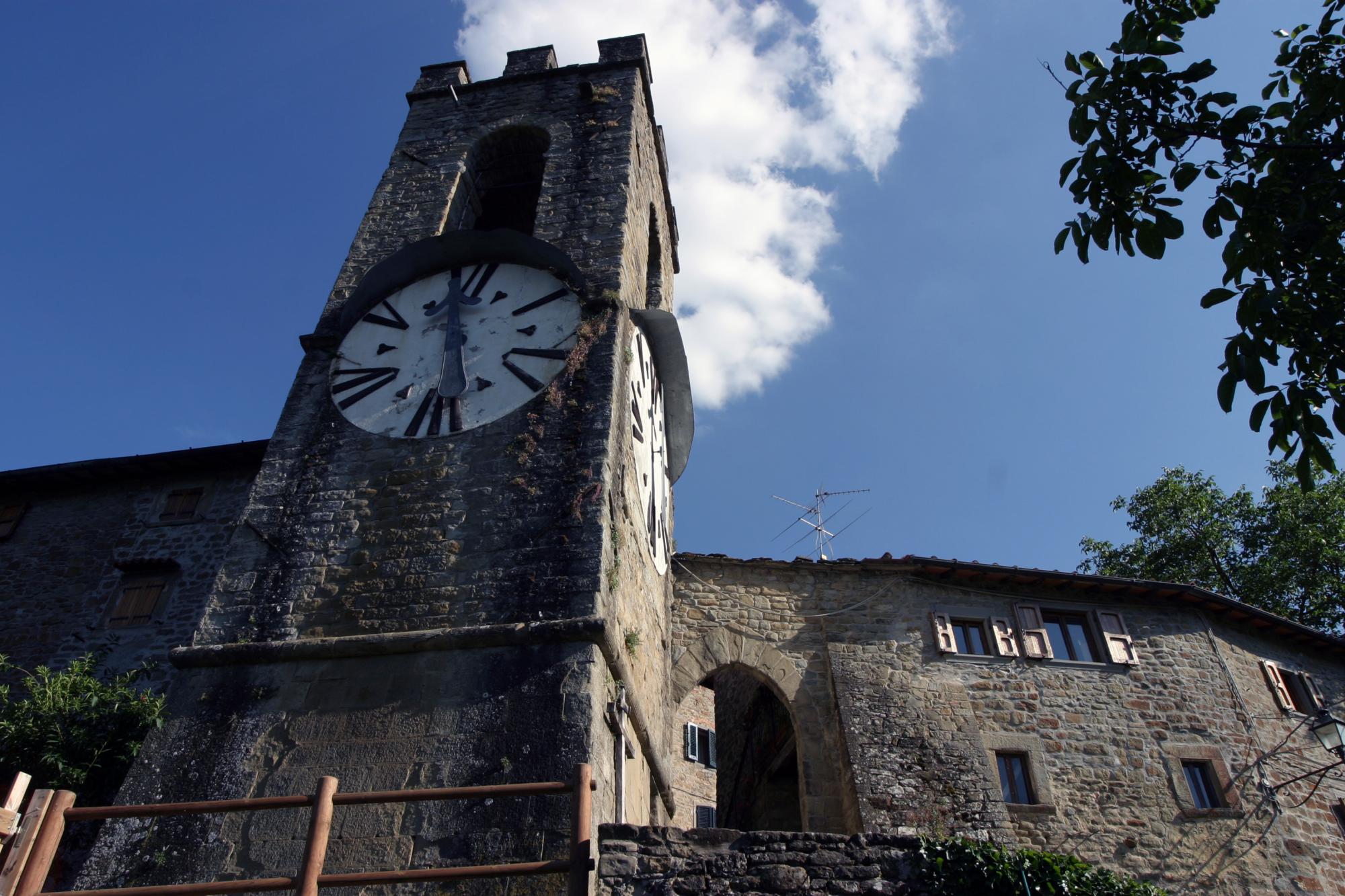
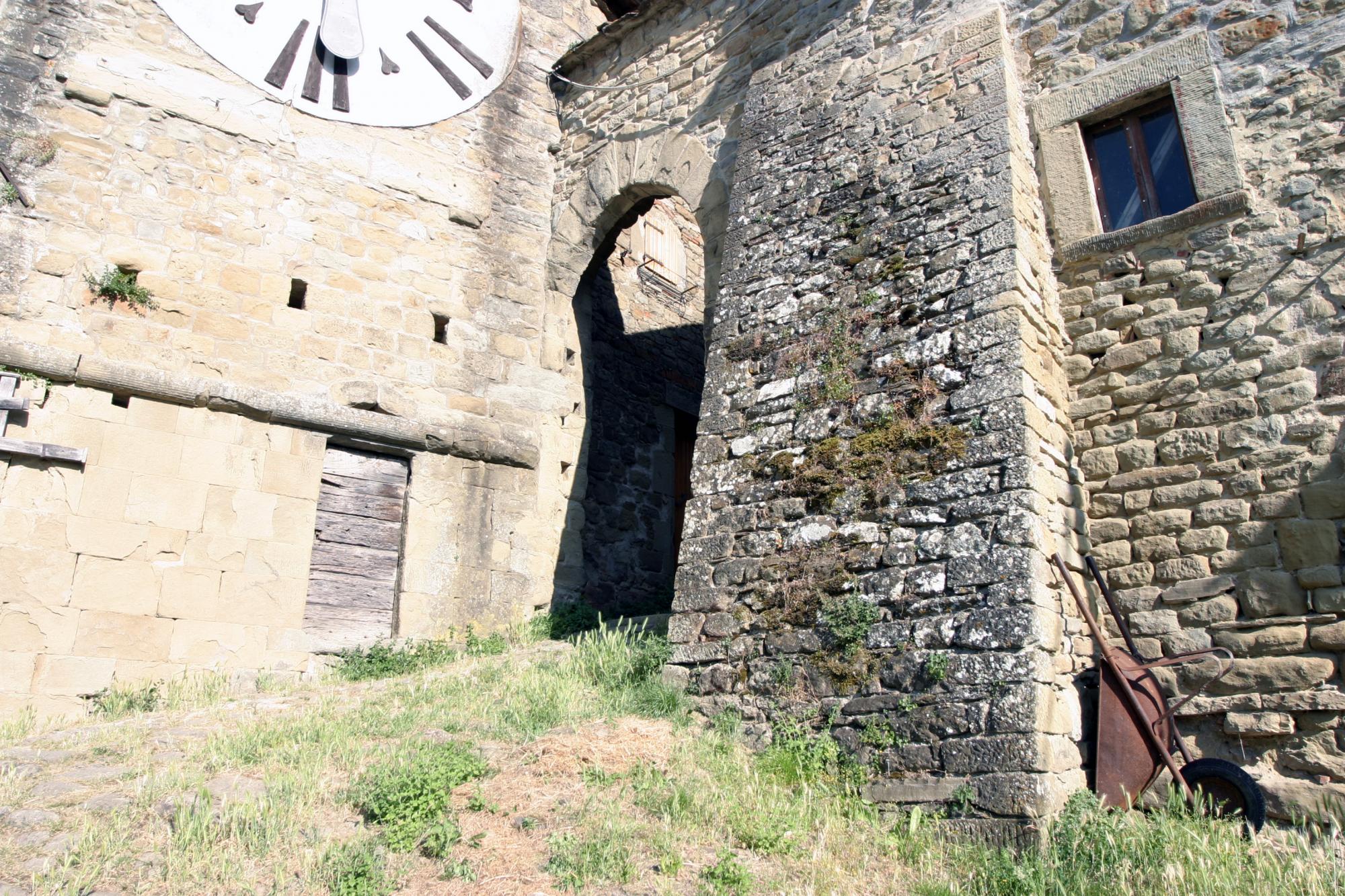
The analysis of Castel S. Niccolò has to begin with the lower part, the stone bridge (destroyed during the last war but reconstructed into its original form) that crosses the Solano stream. The existence of this ford gave origin to the castle. This is constituted by three elements: in the most elevated position rises the lord's residence; its lower part is linked to a group of houses, among which is the village church. The village is encircled by walls with a main gate, defended by a tower (now belltower), and opened in correspondence to the only road of connection with the underlying valley. At the bottom of the hill, in correspondence with the bridge, rises another group of buildings with the function of 'mercatale' (market) from which originated the town of Strada in Casentino.
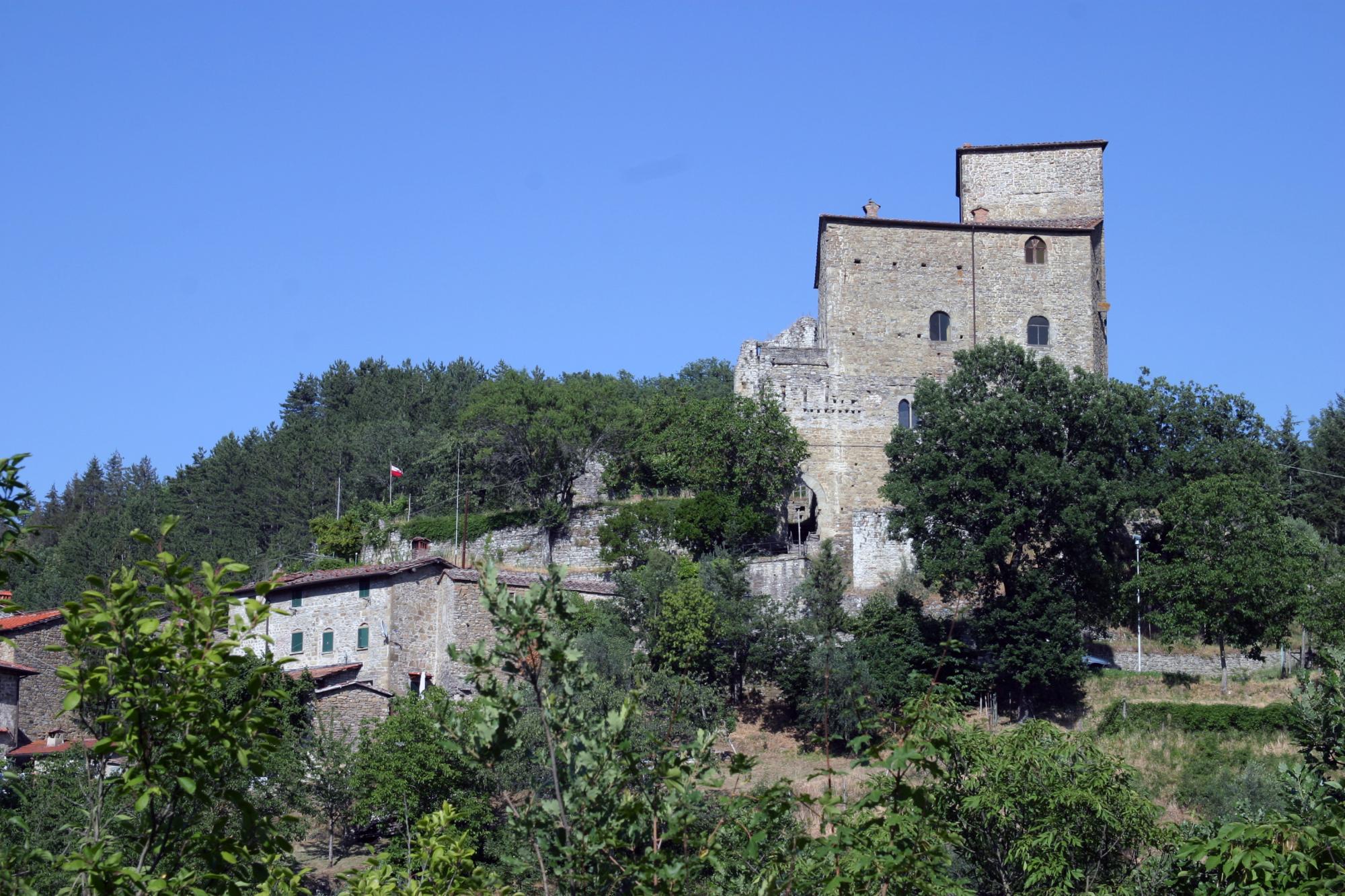
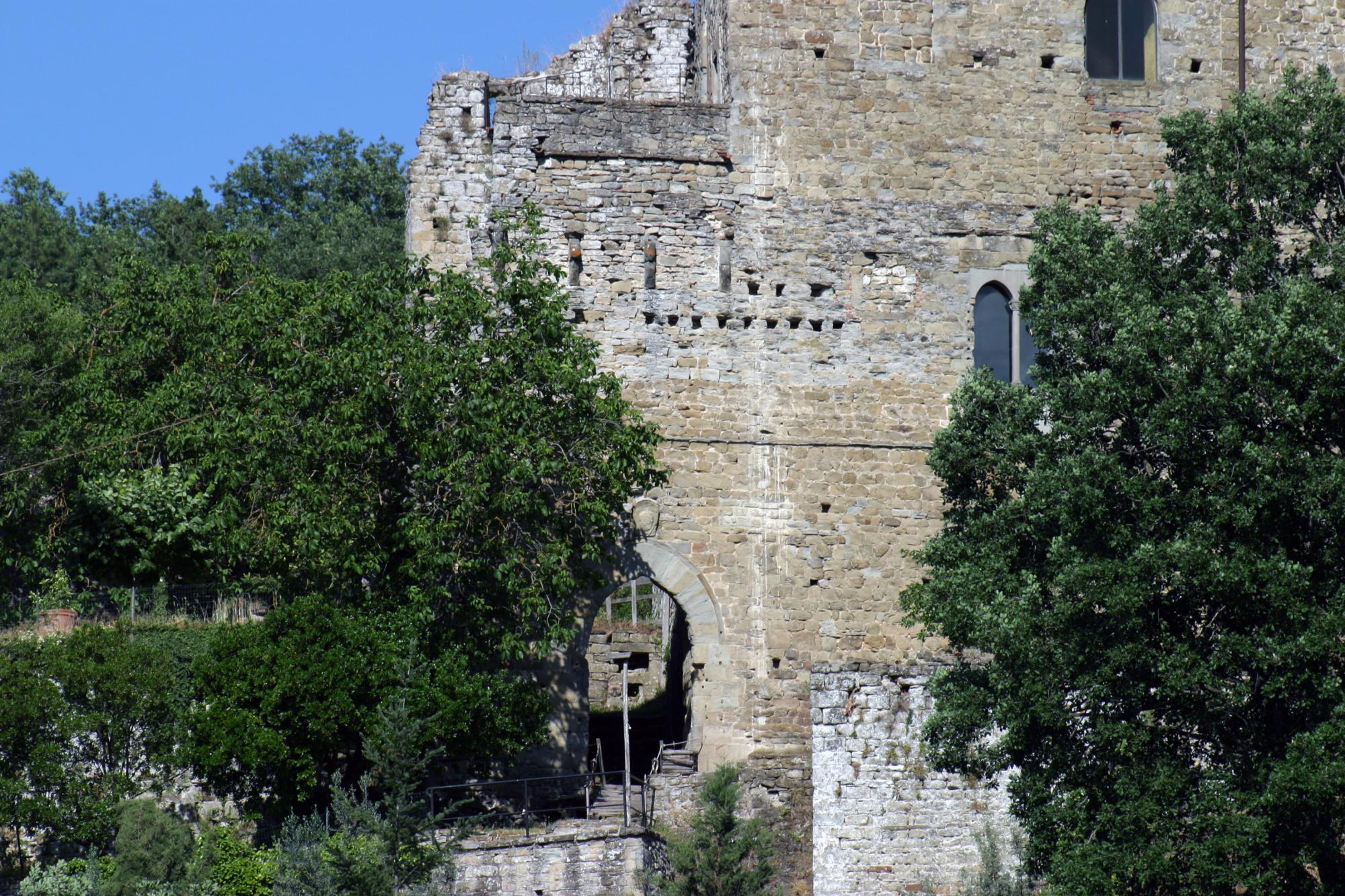
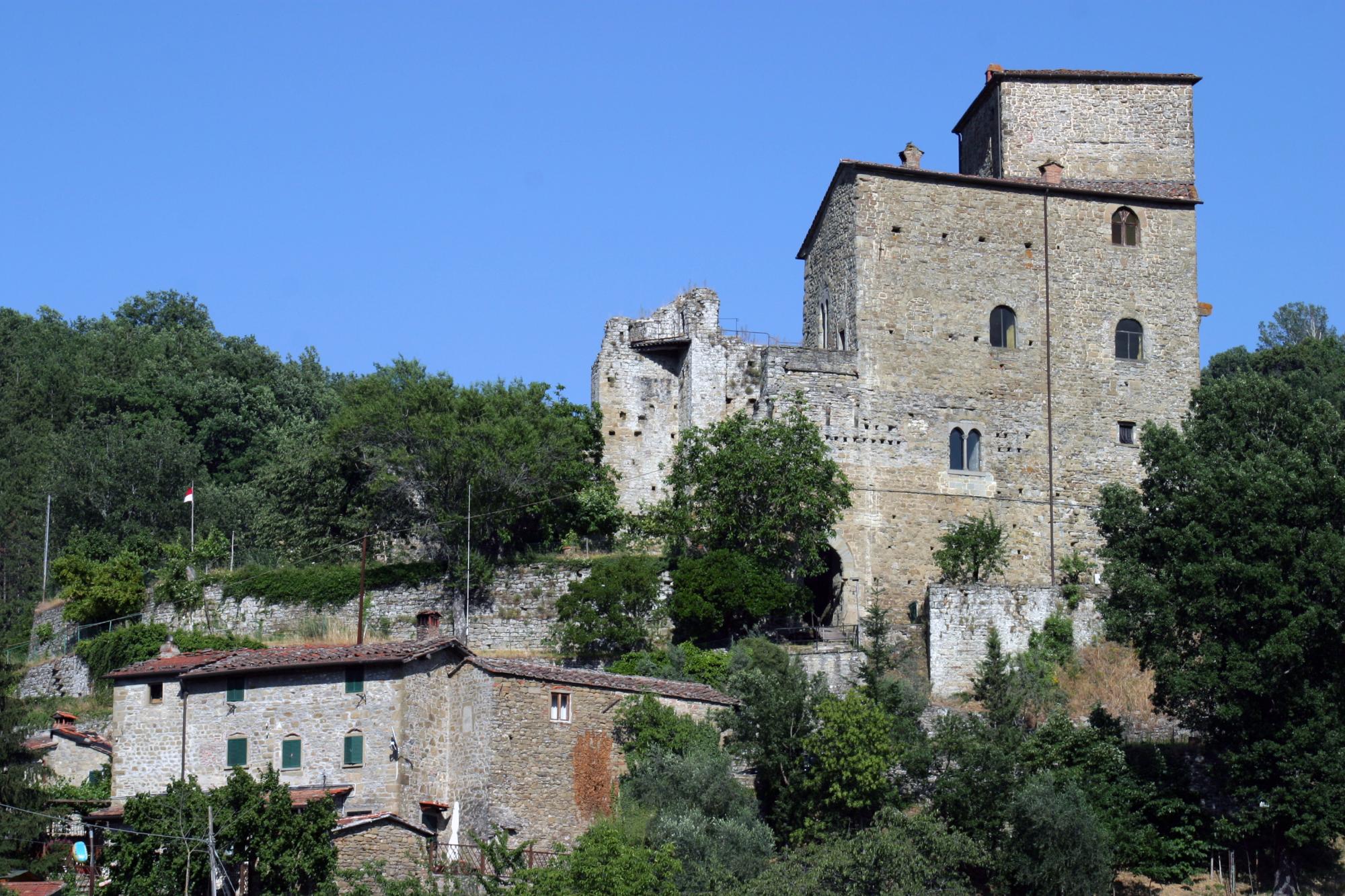
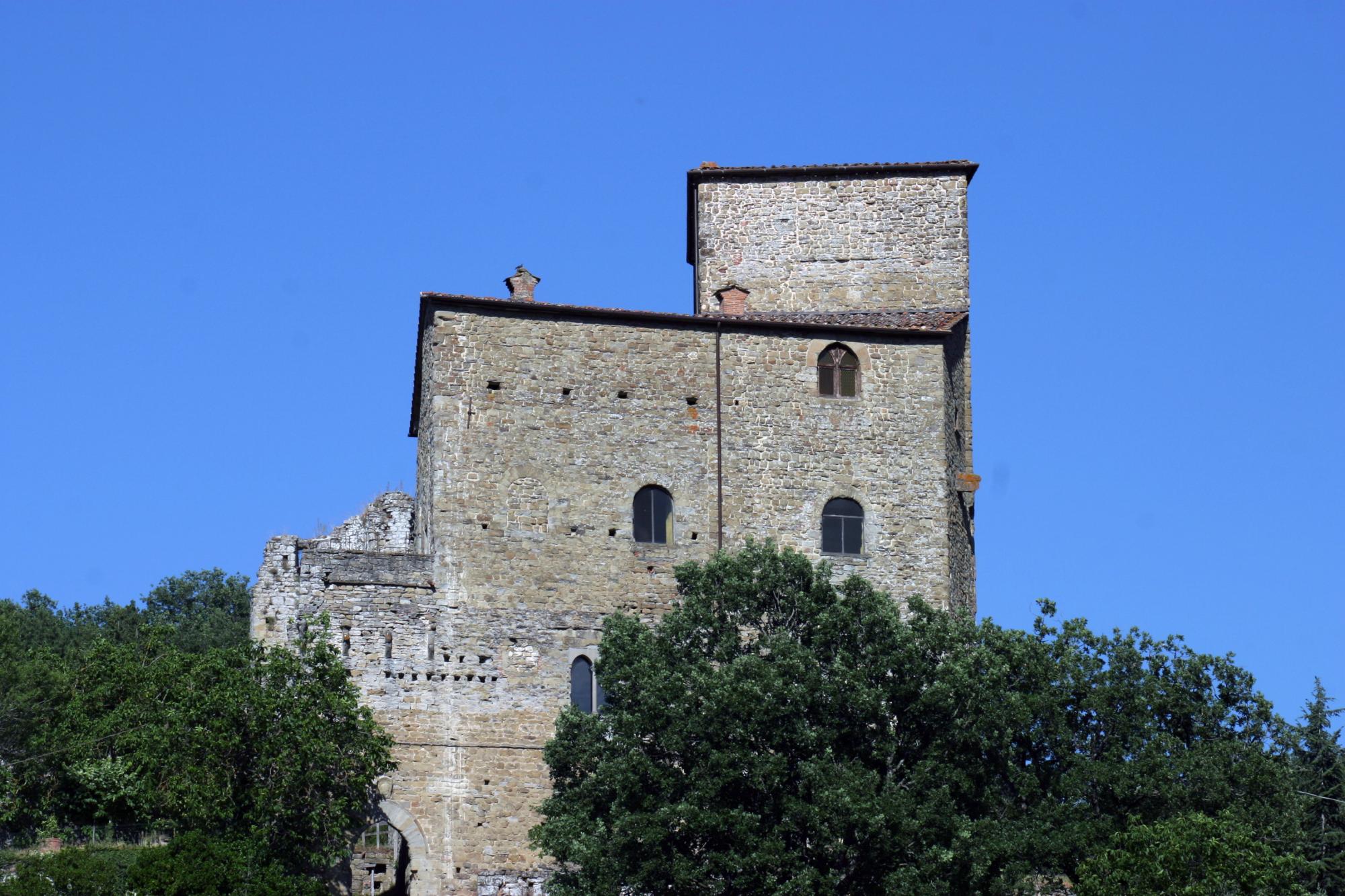
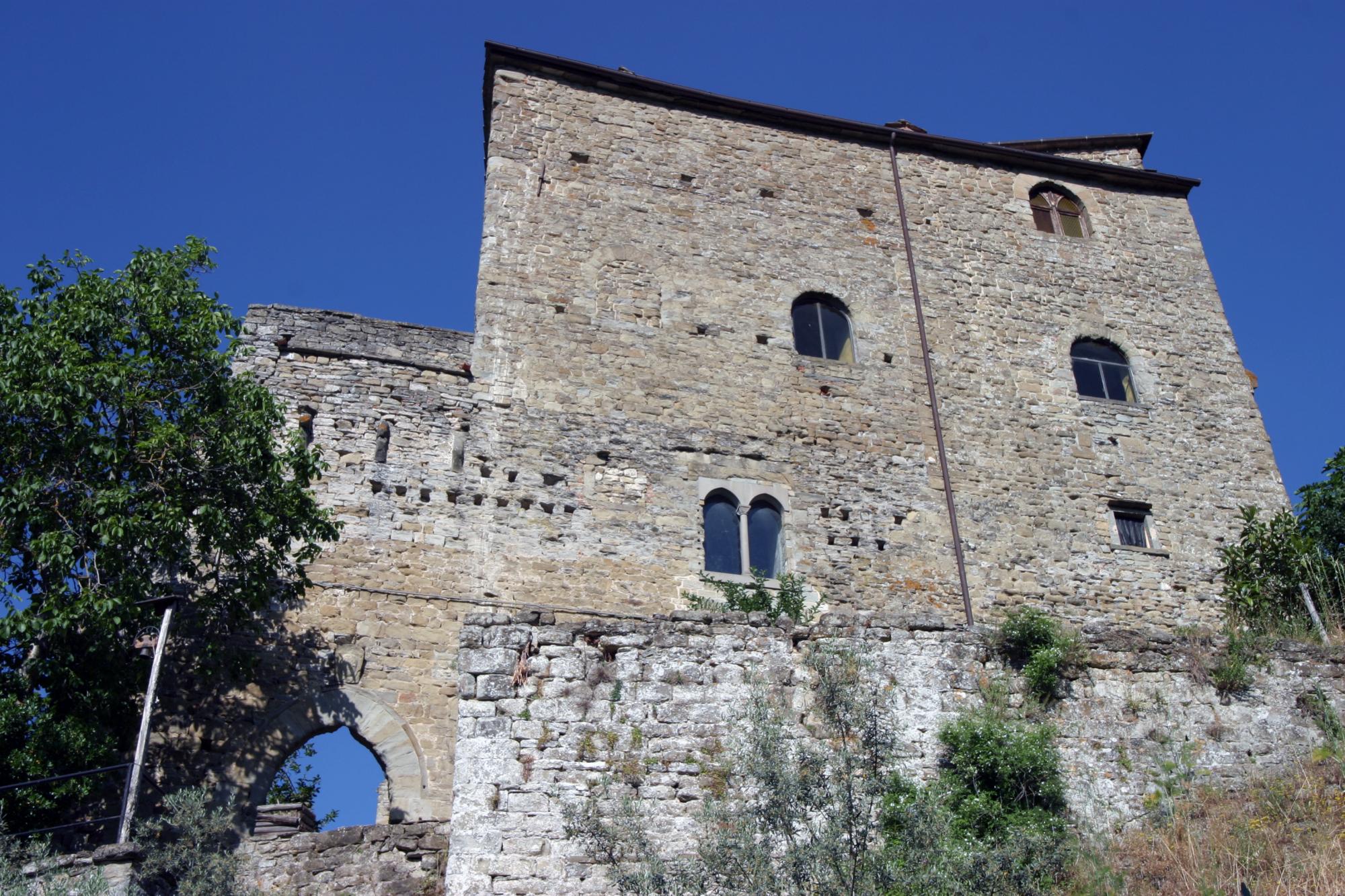
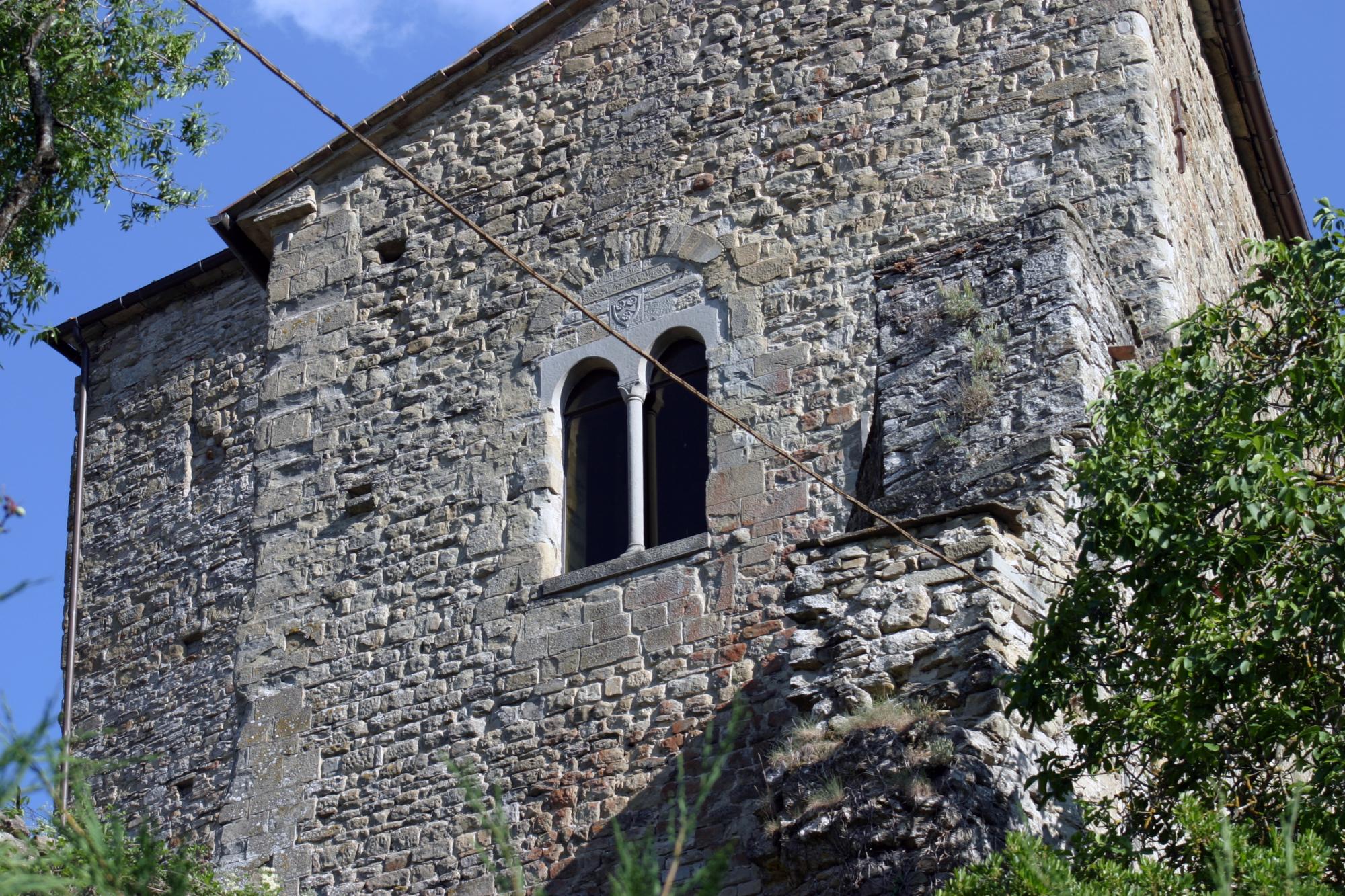
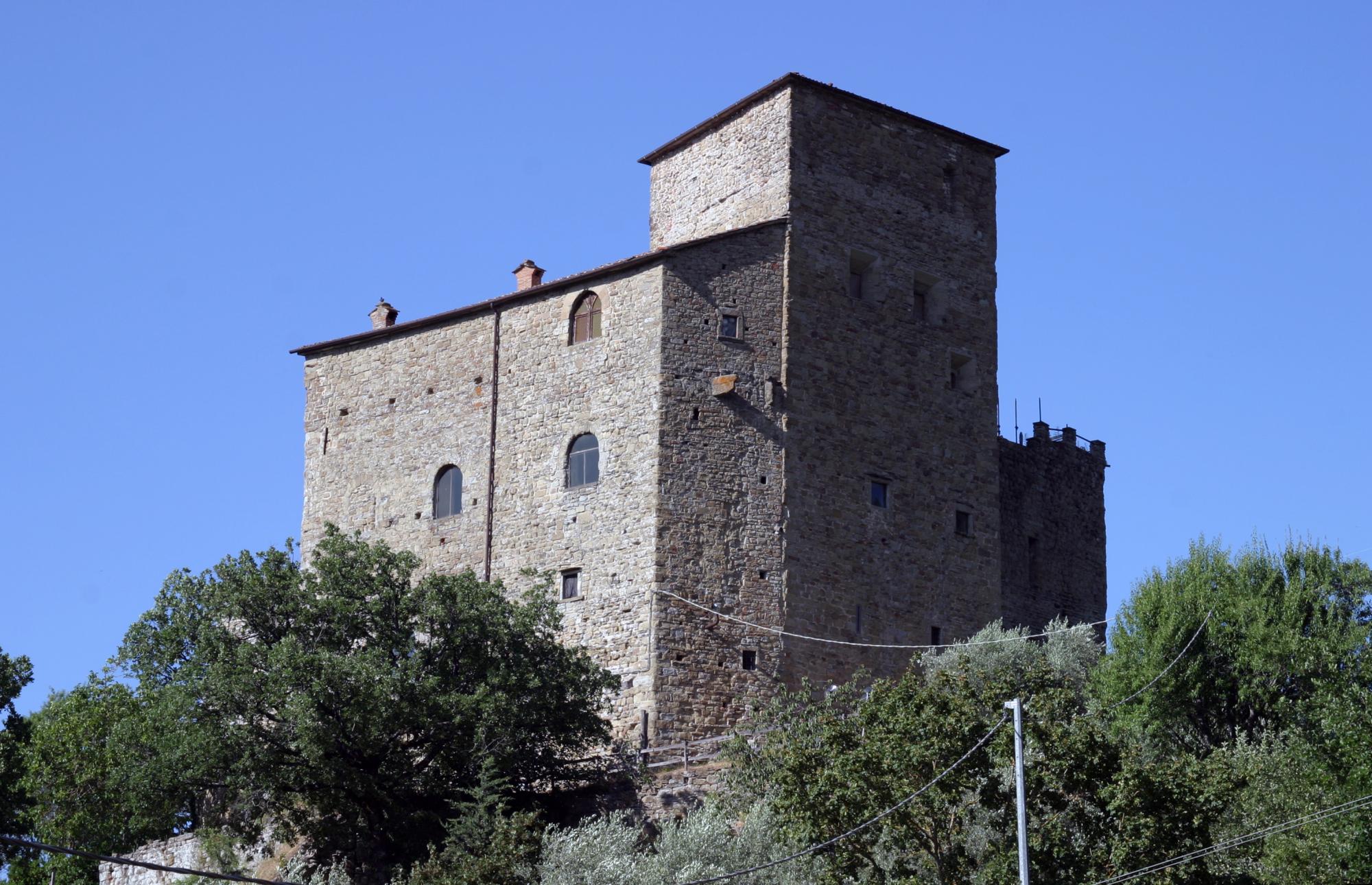
The most important part of the fortification is the 'Palace' that was the residence of the Guidi family first and later of the Florentine Podestà (a medieval term for chief magistrate or governor) endowed with mullioned windows with two lights and a beautiful Gothic portal, all surmounted by the high and mighty keep. The castle is for the large part intact, even if in the western front the external walls are lost.
Entering the inner ward, we can admire an elegant gallery, the cistern, and the reconstructed wall walk on the east side, in some points still endowed with (reconstructed) battlements. Well preserved is also the southeast tower, open on the side facing the courtyard, a 'twin' of the disappeared others that were at the angles of the walled enclosure. In the wall that connects the tower to the keep is a postern. What we see today is due to the patient work of restoration undertaken by the owner, who cleaned the historical vestiges from all the modern additions erected in modern times, bringing them to the ancient shine. The eastern side of the castle, with the keep on the left and the intact curtains that encircle it up to the southeast tower, is perhaps the most powerful image among all the castles of the Casentino area. The castle is a private residence visitable only by reservation.
More info & notes
For openings and guided tours (by appointment only) of San Niccolò Castle call +39 339 8724833