A brief history of the Malaspina Family
The story of the Malaspina is a tale of power, rivalry and splendour spanning almost eight centuries. Bound above all to Lunigiana, the borderland between Tuscany, Liguria and Emilia crossed by the river Magra, the family left a deep mark on the history of medieval Italy and on a landscape still dotted with dozens of castles.
Origins: from the Obertenghi to the Malaspina
The Malaspina descend from the Obertenghi, the great dynasty of marquises who in the 10th century ruled a vast territory between eastern Liguria, Lunigiana and the Po Valley. The same stock also gave rise to the Este, the Pallavicino and the marquises of Massa-Corsica.
The name Malaspina first appears in the first half of the 12th century. Among the family’s leading figures was Obizzo Malaspina, known as “the Great”, a protagonist of the struggles between the Lombard communes and Emperor Frederick Barbarossa, who consolidated the family’s power through shrewd and unscrupulous politics.
A domain between the Apennines and the sea
In the 12th century the Malaspina lands reached far beyond Lunigiana: they also included territories in the Val Trebbia, the Val Staffora and the Oltrepò Pavese, controlling the roads that led from the Po Valley down to the sea.
This territory gradually shrank and fragmented for two reasons. On the one hand, the family followed Lombard law, under which property was divided among all male heirs. On the other, pressure grew from neighbouring communes such as Genoa, Piacenza, Tortona and Pavia.
1221: the Dry Thorn and the Flowering Thorn
By 1220 only the cousins Corrado and Obizzino Malaspina remained to contend for the family fiefs, and both were confirmed in their lands by Emperor Frederick II. The following year, in 1221, they divided their domains, using the river Magra as the boundary:
- Corrado, known as “the Elder”, took Lunigiana west of the Magra and founded the Spino Secco (“Dry Thorn”) branch, with its main seat at Mulazzo;
- Obizzino took Lunigiana east of the Magra and founded the Spino Fiorito (“Flowering Thorn”) branch, which later made Fosdinovo its centre of power.
The two branches took their names from their coats of arms: a dry thorn bush for Corrado’s descendants, a flowering one for Obizzino’s. Over the following centuries both split further into many small marquisates, each with its own castle: Mulazzo, Giovagallo, Tresana, Villafranca, Filattiera, Fosdinovo, Fivizzano, Olivola and many more.
The Malaspina court: troubadours and Dante
Between the 12th and 13th centuries the Malaspina courts were among the most refined in northern Italy. Provençal troubadours found hospitality there, and one of the marquises himself, Alberto Malaspina, wrote poetry in the langue d’oc.
The most famous connection is with Dante Alighieri. In 1306, during his exile, the poet was a guest of the Malaspina in Lunigiana, and on 6 October of that year, acting as their representative, he signed at Castelnuovo Magra the peace between the marquises and the Bishop-Count of Luni. Dante repaid their hospitality by paying tribute to the family in Canto VIII of the Purgatorio, where he meets Corrado Malaspina the Younger, grandson of Corrado the Elder.
«La fama che la vostra casa onora, / grida i segnori e grida la contrada, / sì che ne sa chi non vi fu ancora»
Dante Alighieri, Purgatorio, Canto VIII
(“The fame that honours your house proclaims its lords and proclaims its land, so that even those who have never been there know of it”)
Dante is also linked to Moroello Malaspina, lord of Giovagallo, to whom the poet addressed a letter and whom he recalls in the Inferno as the «vapor di Val di Magra» (“the vapour from the Magra valley”). At Mulazzo, tradition still points to the so-called Dante’s Tower.
The conflict with the bishops of Luni
For a long time the Malaspina’s main rival in Lunigiana was the Bishop-Count of Luni, who besides his religious authority wielded real feudal power over castles, lands and rights. Throughout the 13th century marquises and bishops fought for control of the territory, through wars, excommunications and agreements that never lasted.
The Peace of Castelnuovo of 1306, negotiated by Dante, closed one of the bitterest phases of this struggle. During the 14th century the temporal power of the bishops of Luni weakened, but far stronger powers were now looking at the region: Lucca, Genoa, Milan and finally Florence.
The Malaspina castles
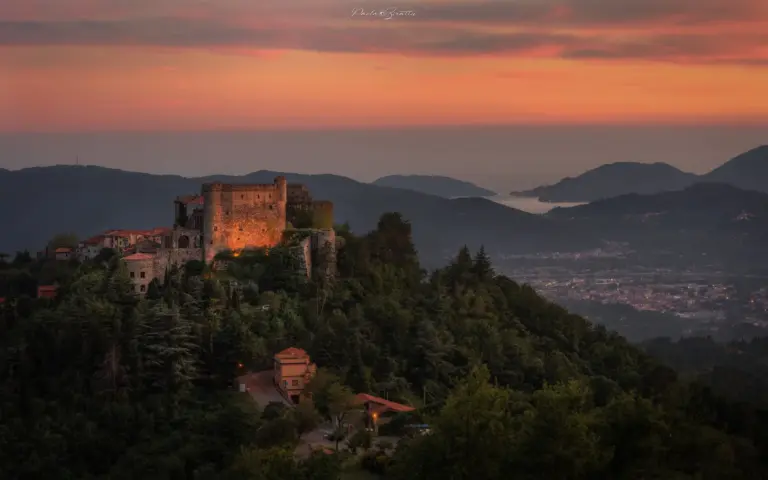
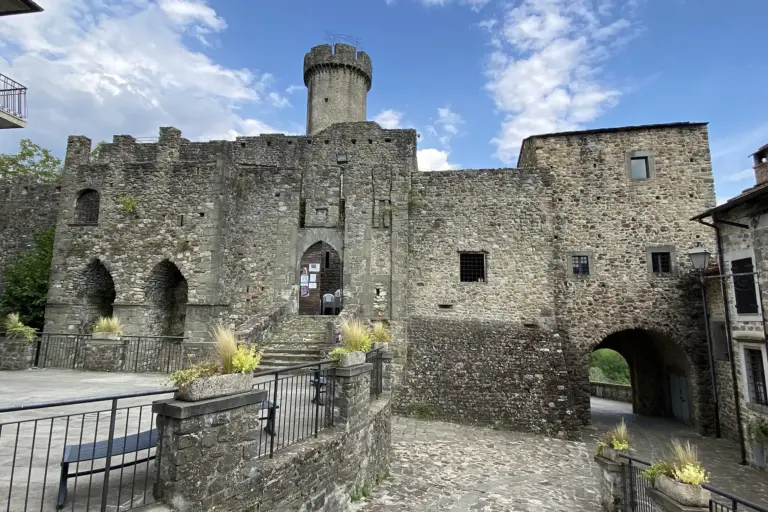
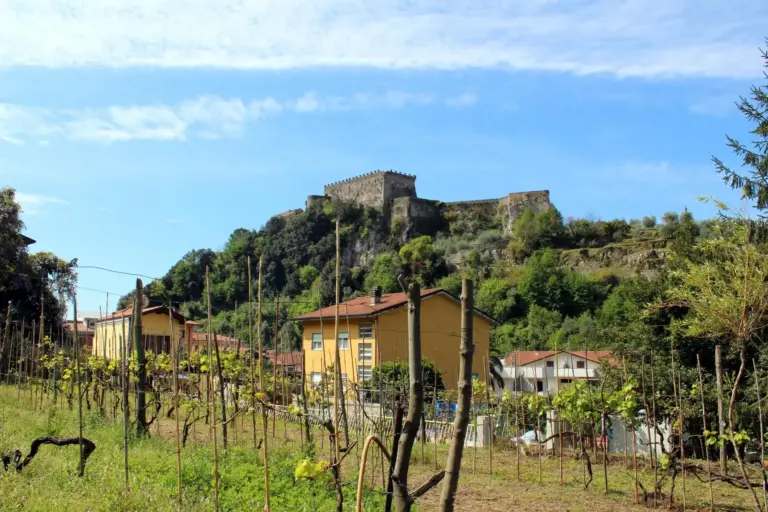
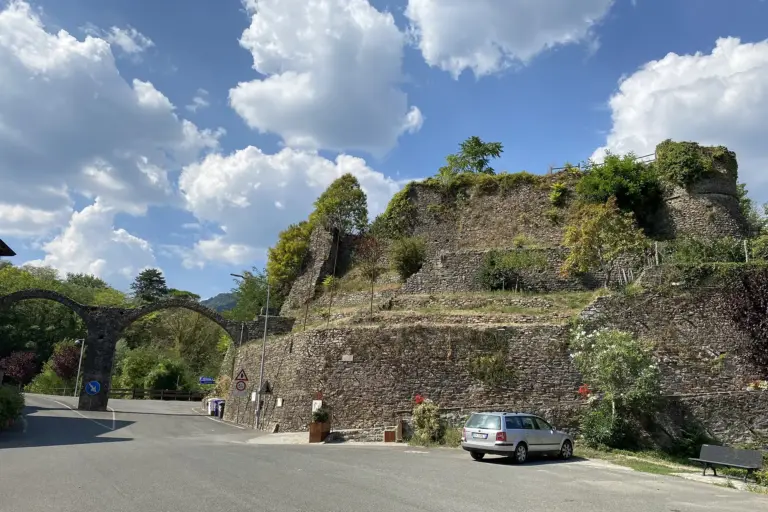
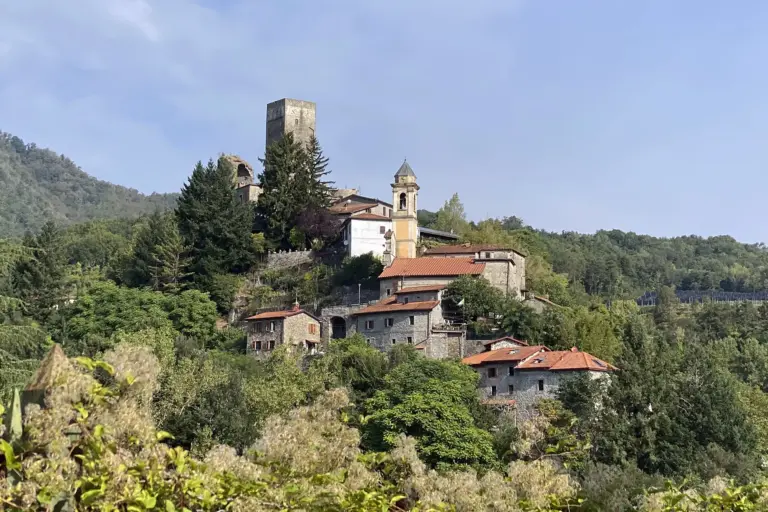
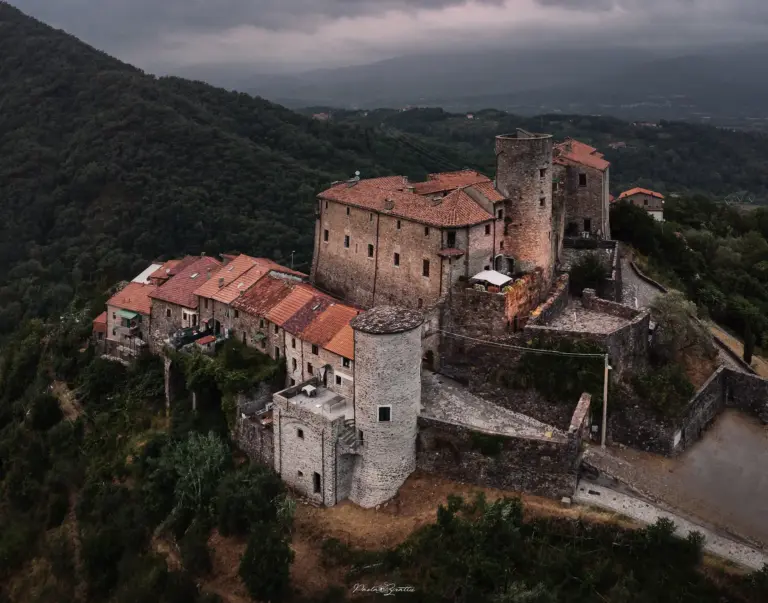
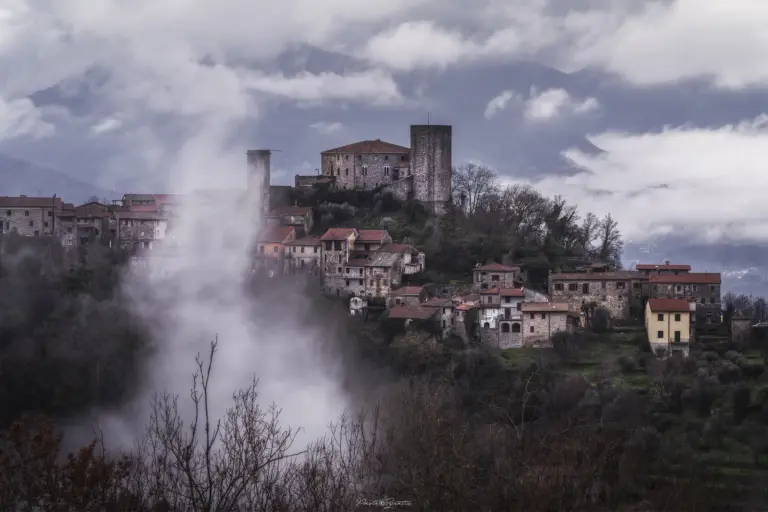
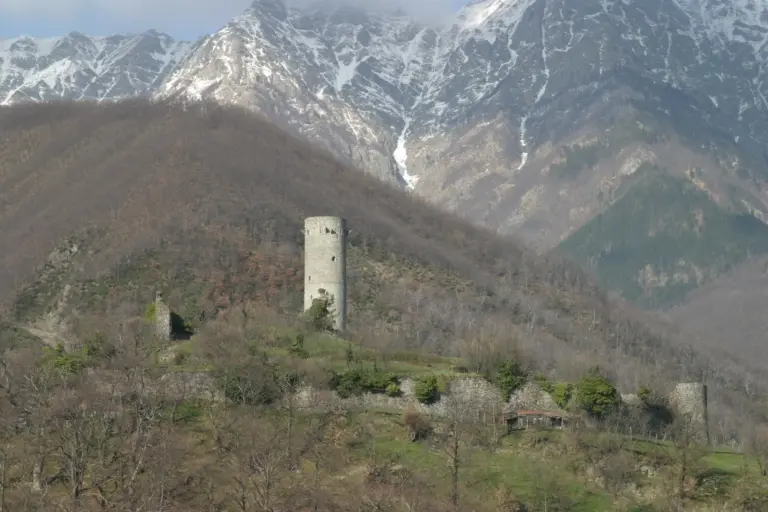
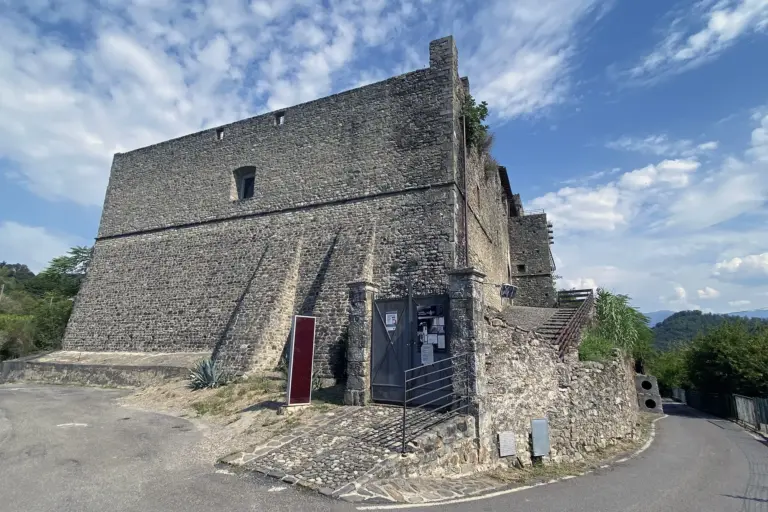
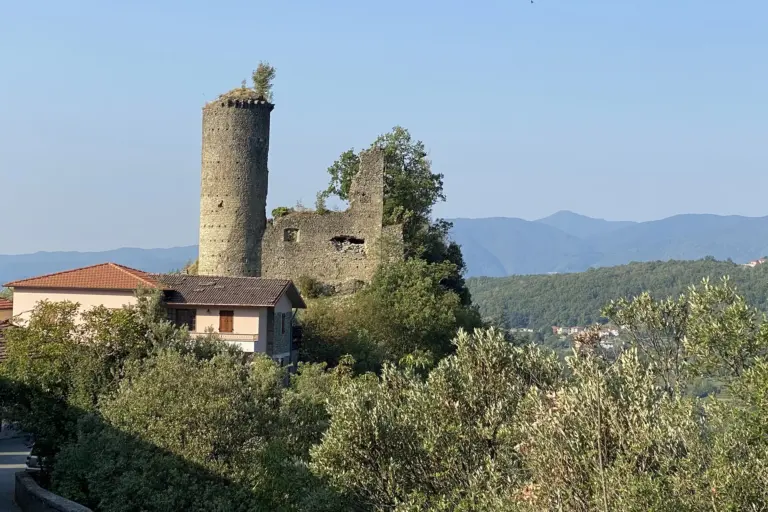
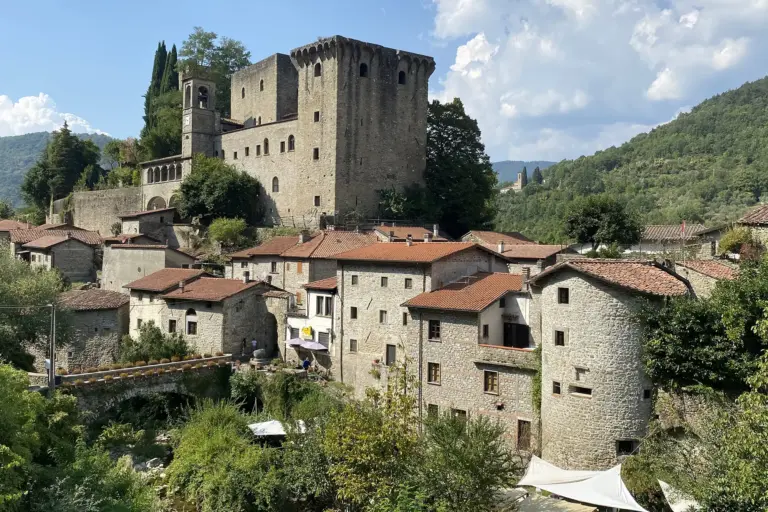
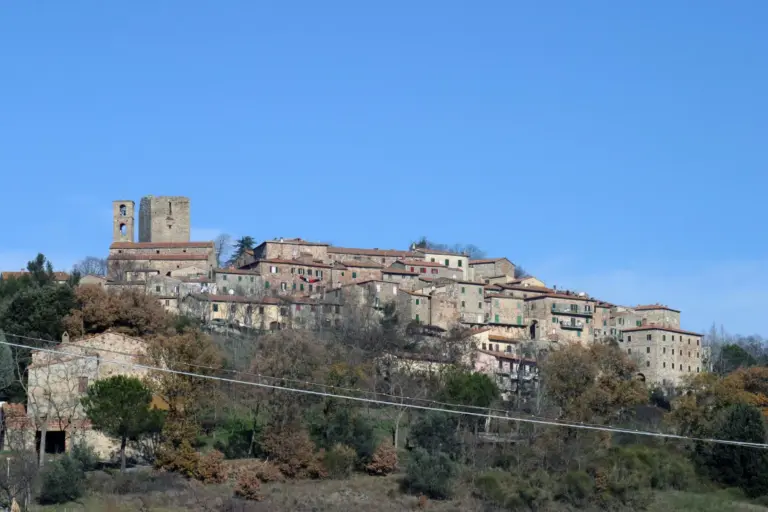
The Malaspina built or held a great number of castles and fortified villages, which still bear witness to their greatness. They were not just noble residences but fortresses controlling the valleys, the Apennine passes and the roads that, like the Via Francigena, crossed Lunigiana.
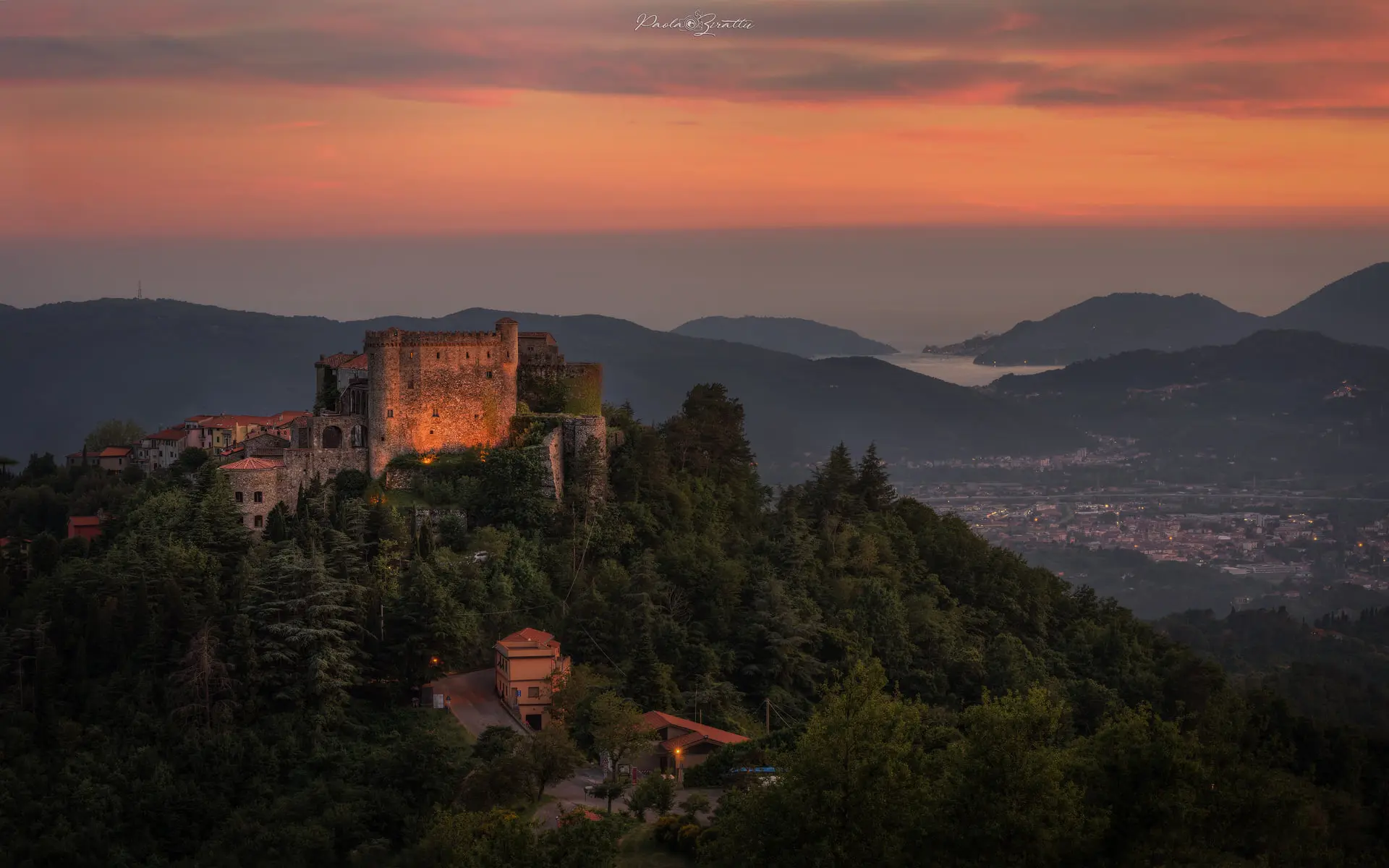
Besides Mulazzo and Fosdinovo, one of the best-preserved castles in the region, the Malaspina ruled Castel dell’Aquila at Gragnola, the Verrucola de’ Bosi at Fivizzano, Malgrate, Villafranca, Bastia, Monti, Comano, Lusuolo, Castevoli, Tresana, Giovagallo, Treschietto, Castiglione del Terziere and many others.
The Malaspina of Massa and the Cybo-Malaspina
The branch that achieved the greatest prestige descended from the marquises of Fosdinovo, of the Flowering Thorn line. In 1442 Antonio Alberico Malaspina became lord of Massa, and a few decades later the family also acquired Carrara, with its famous marble quarries.
In 1520 the heiress Ricciarda Malaspina married Lorenzo Cybo, nephew of Pope Innocent VIII: thus began the Cybo-Malaspina dynasty, which ruled Massa and Carrara, first as a marquisate, then as a principality and finally as a duchy, until the 19th century. The Malaspina Castle of Massa, overlooking the city, remains its symbol today.
The decline of the marquisates
The constant division of the fiefs weakened the family. Between the 15th and 17th centuries many Malaspina marquisates in Lunigiana came under the control of Florence and later the Grand Duchy of Tuscany, of Genoa or of the Duchy of Milan, while others survived as small imperial fiefs, often shared among several co-lords.
The last marquisates, such as Fosdinovo and Mulazzo, were abolished at the end of the 18th century, with the arrival of Napoleon’s troops and the end of the feudal system.
The Malaspina today
Over the centuries the Malaspina became an aristocratic family like many others, but their name remains a symbol of Lunigiana. Some descendants still live in the region: Fosdinovo Castle, for example, still belongs to the family’s heirs and is open to visitors.
Many Malaspina castles have survived to this day. Some have been restored and opened to the public, others host museums, events or accommodation, allowing visitors to discover the history of one of Italy’s oldest feudal families.
Map of the Malaspina castles in Lunigiana
The map shows some of the main castles linked to the Malaspina, from Lunigiana to Massa. Select a marker to read a short historical note and, where available, open the castle’s page.
Locations are approximate. The red marker shows where the 1306 peace was signed.