How to reach
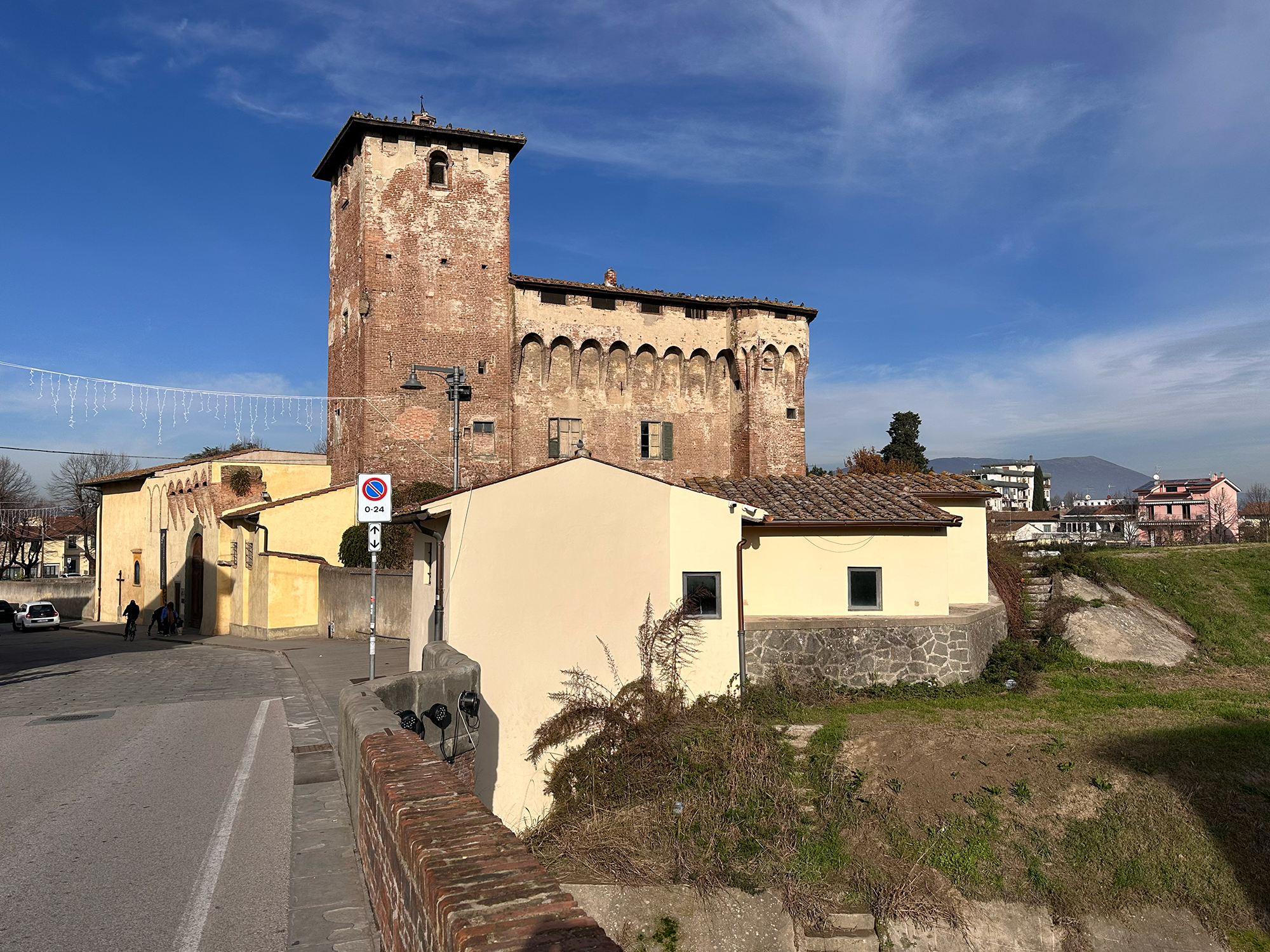
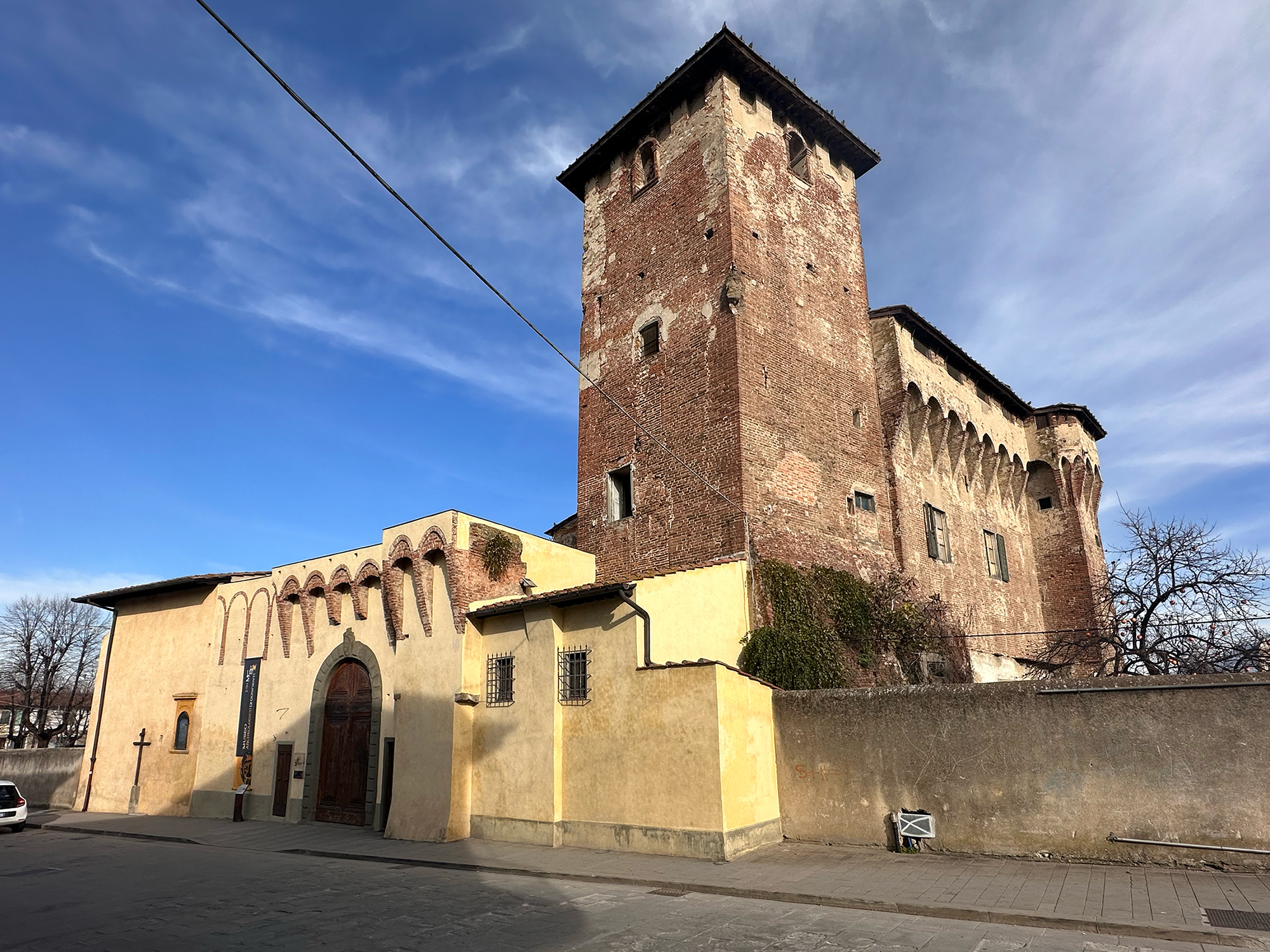
The Rocca Strozzi Fortress is located in the historic center of Campi Bisenzio (Florence), near the Bisenzio River, and is home to the Gonfienti Archaeological Museum. It can be reached by car from the A1 motorway (Calenzano–Sesto Fiorentino exit) or the A11 motorway (Prato Est exit), bearing in mind the restricted traffic zones (ZTL) in the historic center.
History
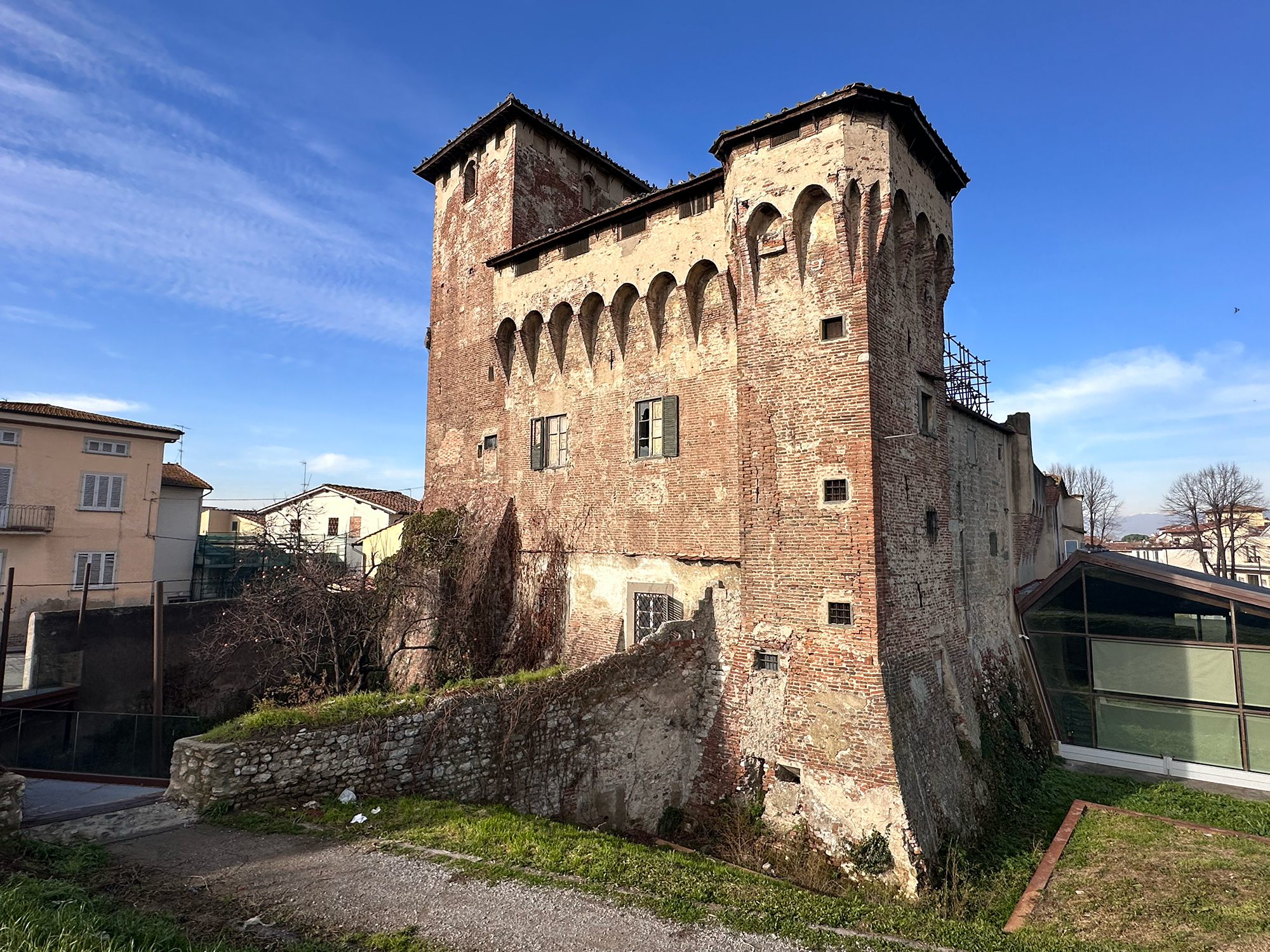
Today considered the clearest and most evocative testimony of the late medieval past of Campi Bisenzio, the Strozzi Fortress—thanks to its architectural configuration as a true castle—holds a historical value that extends beyond the local context. Its position is closely linked to the Bisenzio River, facing it in a relationship of contrast and control, dominating the watercourse with its imposing structure and originally using it as part of its defensive system.
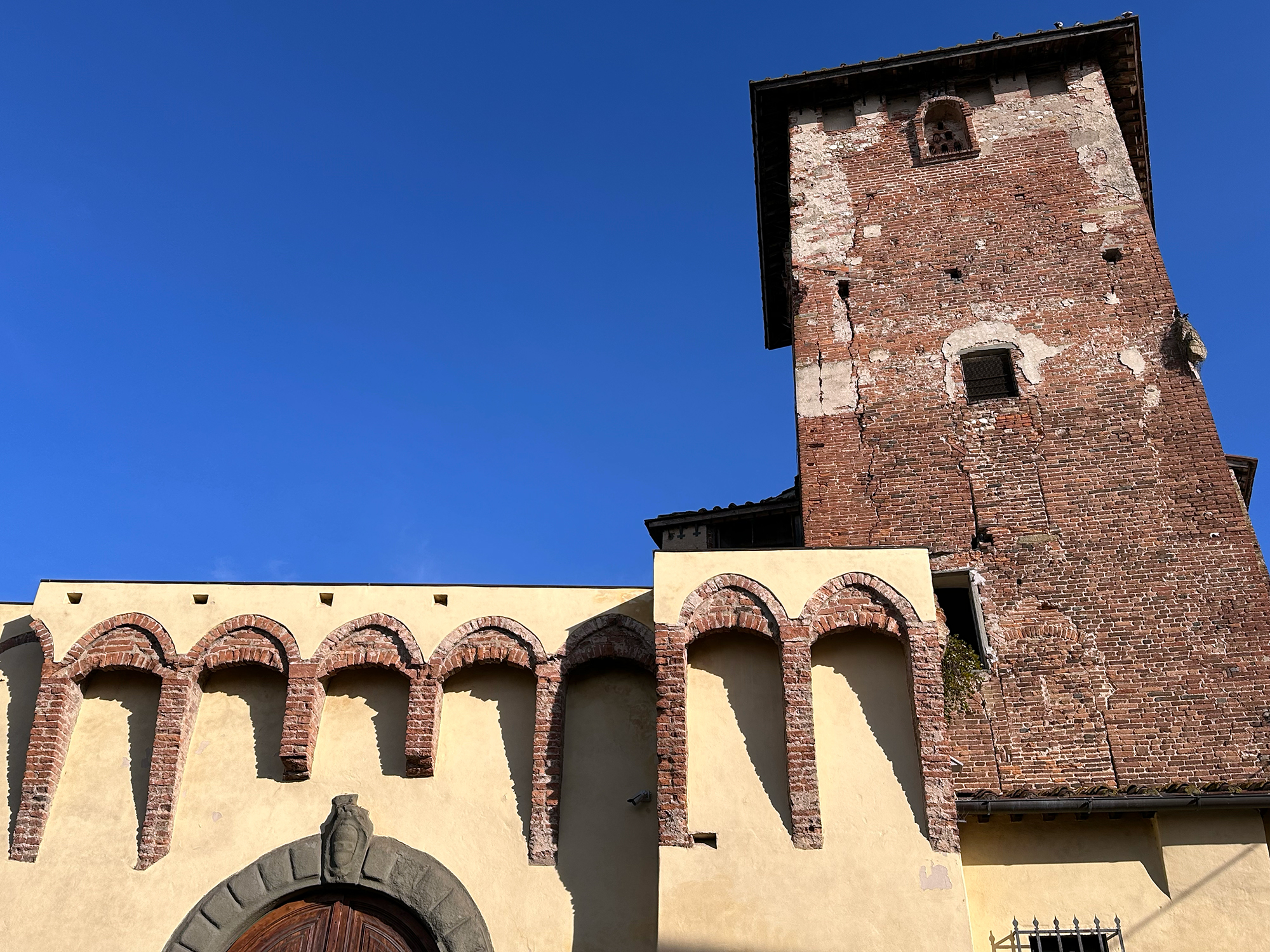
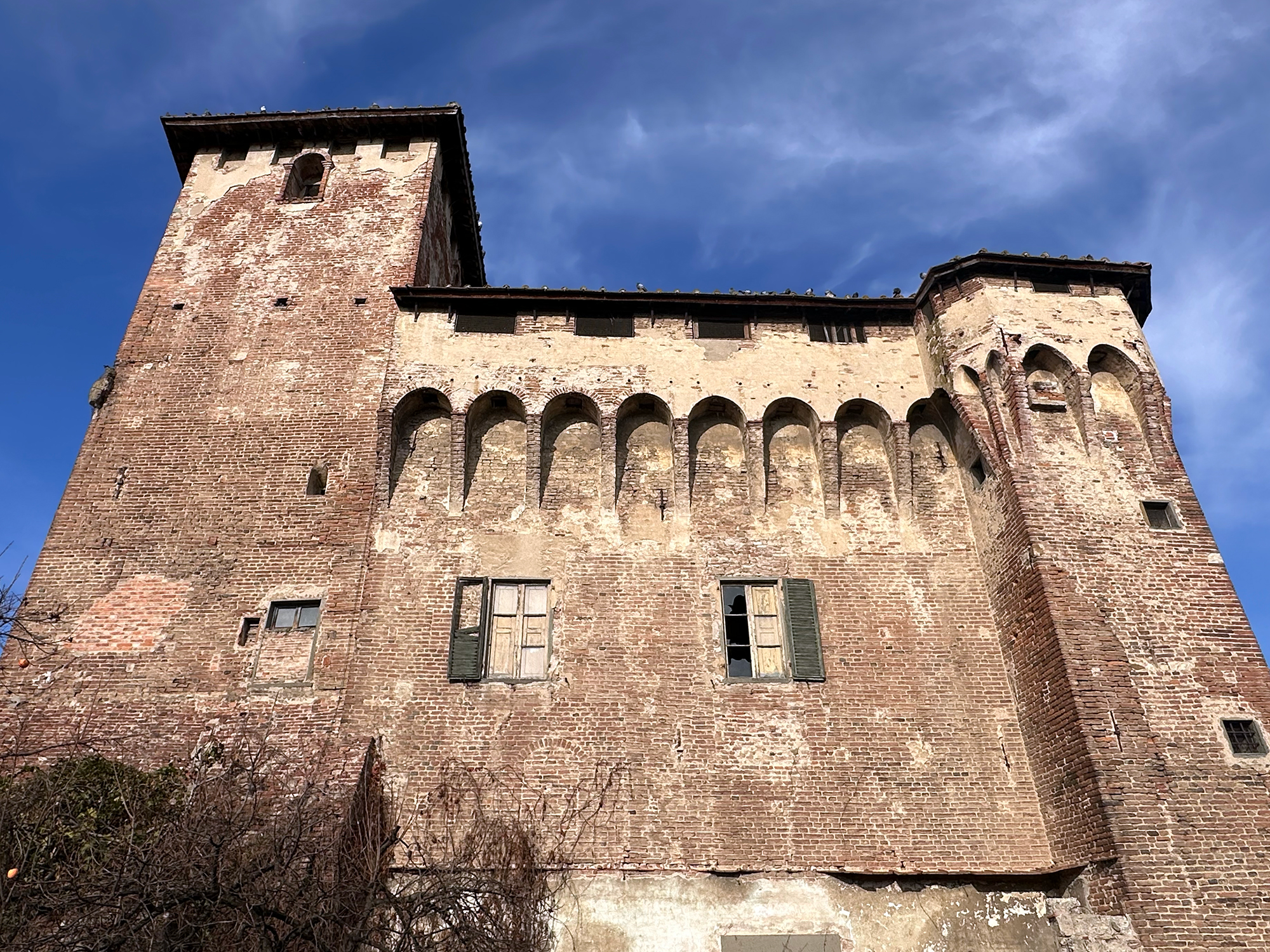
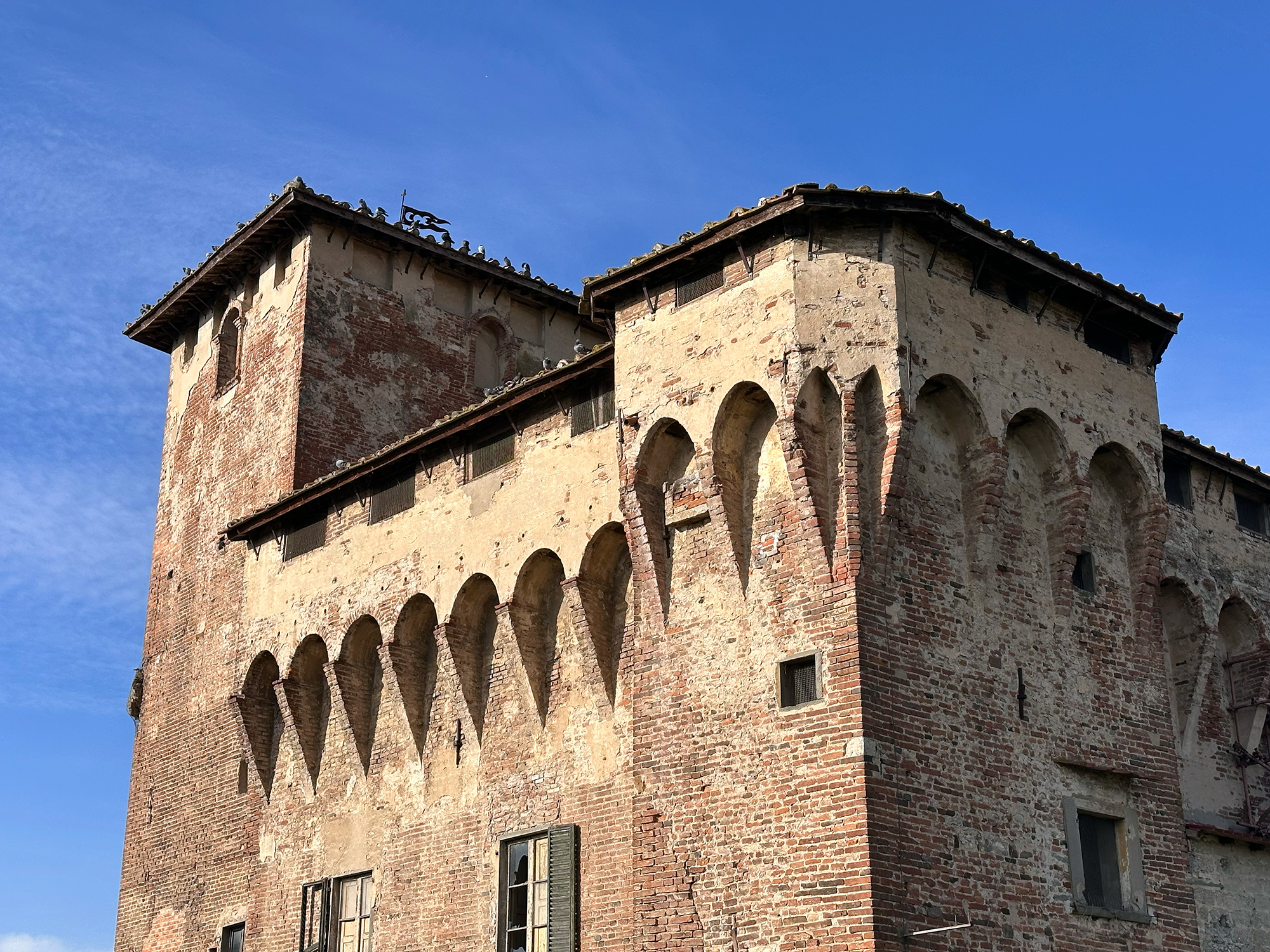
From an architectural perspective, the fortress originally presented a quadrangular fortified structure in brickwork featuring a continuous defensive wall equipped with corner towers of different heights and orientations. The defensive system was strengthened by a surrounding moat fed by the Bisenzio, which acted as a natural and strategic barrier. The main entrance was probably controlled by a wooden drawbridge, connected to a fortified gate equipped with machicolations and elevated platforms for the movement of projectile weapons. Although now partially lost, the perimeter wall once included internal walkways linking the towers and allowing rapid surveillance. The towers, originally crenellated and more vertical than the central building, ensured visual control over both the river and the main routes toward Florence and Prato.
The construction of the private fortress of the Strozzi family took place shortly before the building of the castle of Campi, which was commissioned by the Florentine Republic in 1376 to reinforce territorial defense and safeguard the rural possessions of Florence. In 1378, Carlo Strozzi described the fortress in a deed of donation to his sons, referring to it as “a large house with towers, a palace, and several houses and farm buildings, conceived as a fortress with a surrounding moat and a plot of land adjacent to said moat.” This document confirms the structured defensive system and highlights the economic and social centrality of the complex.
In 1529, the imperial troops of Charles V besieged and occupied the fortress, demolishing parts of the defensive wall and shortening the towers, thus permanently compromising its military role. By the mid-sixteenth century, the complex had been transformed into a suburban villa with agricultural outbuildings, signalling the end of its strategic function. Around 1620, on the occasion of the marriage between Filippo Strozzi and Francesca di Simone da Bagnano, restoration works were undertaken, including new interior decorations, marking a renewed phase of splendor. During the seventeenth century, the fortress became a residence for leisure and hunting, in line with aristocratic customs of the time.
With the decline of the Medici dynasty and the arrival of the Lorraine dynasty, the Strozzi family gradually lost their privileges and properties, initiating a slow decline of the estate. The complex today reveals this layered history through a heterogeneous architectural appearance, composed of medieval elements, aristocratic additions, and rural adaptations that contribute to its unique appeal.
Since 2002, the fortress has been owned by the municipal administration, which has undertaken important conservation works aimed at hosting the Gonfienti Archaeological Museum, returning to the site a civic and cultural role consistent with its rich and stratified history.