Gallery
How to reach
Coming from Sasso Pisano along the SP49, at the bend just before the village of La Leccia turn left onto a local road (signposted Centrale Geotermica Le Prata, the Le Prata geothermal power plant) and continue for about 1.3 km, then cross the ford over the Cornia, which is on your left. After about 1 km you reach a group of farmhouses. Park in a wide spot along the road and continue on foot along a white (gravel) road closed by a chain, as far as a second ford over the Cornia.
On the other bank, pass beside a metal gate and climb for a few tens of metres. On the left, beyond the embankment, look carefully for the faint white and red marks (the route is not an official CAI trail) that point to the path to the “Torraccia” (43°10’57.4″N – 10°49’02.1″E).
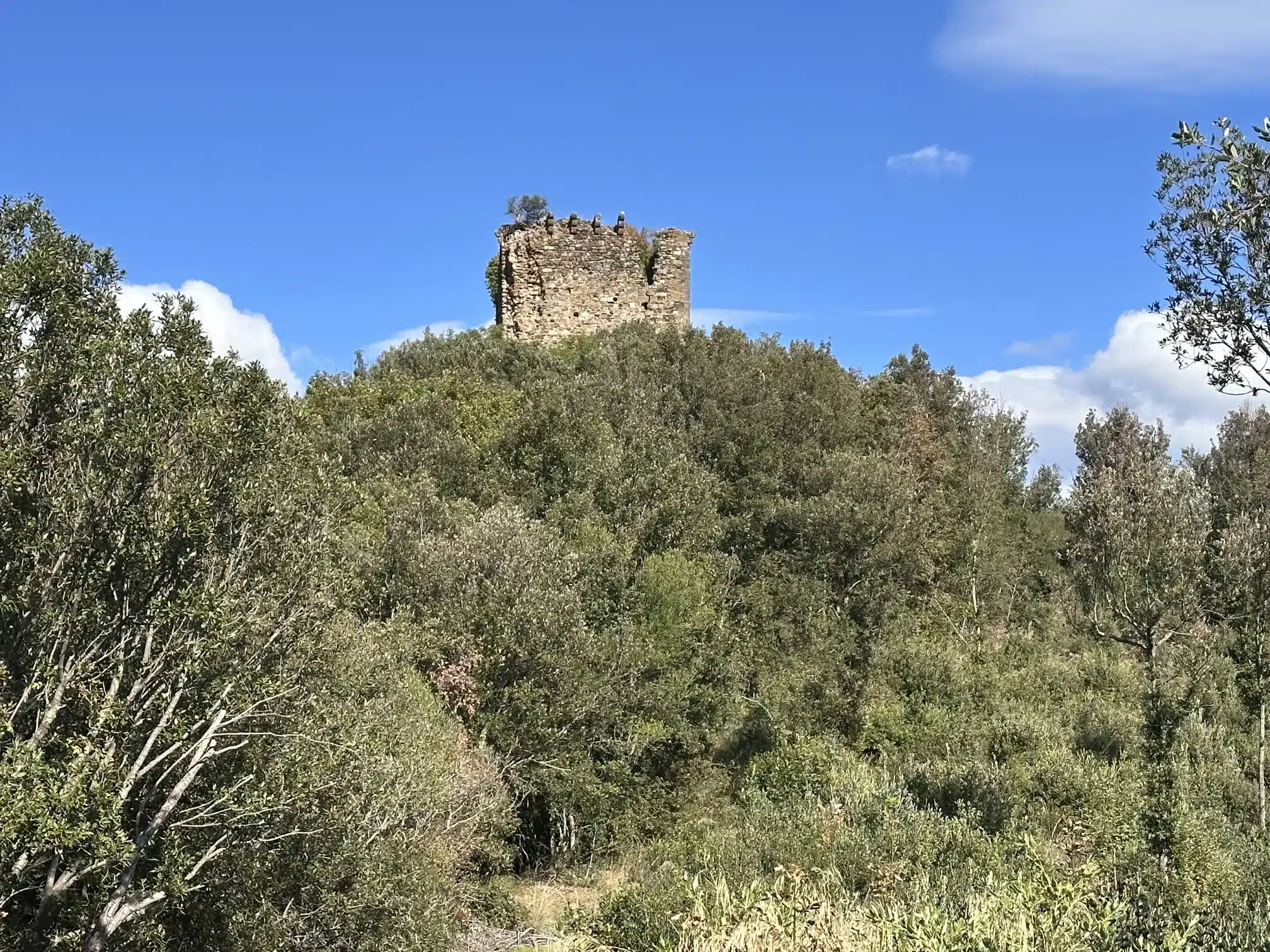
I did not find these markings and carried on along the bed of the Cornia for about 1 km, as far as a vaporotto (a small natural steam vent). There, turn right along a firebreak track, very rough, which leads to the ruins.
The area is private property: please respect chains, gates, and boundaries.
It is advisable to avoid the route in bad weather or after heavy rain, because the fords may become impassable.
History
The Castle of Cornia – also known as Torraccia or Castelletto di Cornia – stood on a spur between the Turbone stream and the Cornia river, right where the two watercourses meet. The castle is first documented in 1025, in a donation to the monastery of San Giovanni in Cornia, and again in 1038. From the beginning, around the year 1000, it had a curtis (estate), a monastery, and a church. It was probably built by a local noble family linked to the abbey of San Pietro at Palazzuolo di Monteverdi, which already before the 11th century held rights over the territory and the mills along the river.
In the 12th century the castle passed to the Counts Alberti of Prato, who held it for almost a hundred years. It appears in the diplomas of Frederick Barbarossa of 1155 and 1164. In 1162, however, the emperor himself included it among the castles within the borders of the Commune of Pisa, and in 1165 two Pisan consuls visited it to enforce those privileges. This border area was contested between great noble families, bishops, and cities, all attracted by the metal-bearing veins and by the roads linking northern and southern Tuscany. In 1171 and 1179, Pope Alexander III confirmed to the Church of Volterra the possessions of the area, including the church of Castel di Cornia.
After the dissolution of the Alberti domains, in the mid-13th century, the castle passed to the Commune of Volterra. According to local tradition, it was later destroyed by the Pannocchieschi of Castiglion Bernardi and rebuilt on a higher, more defensible hill. Around 1300 it was abandoned. In the mid-15th century it was resettled by the Rossi, Florentine noblemen and cloth producers, who acquired the rights over the castle and the alum mines of Cornia. The property later passed to the bishop of Volterra.
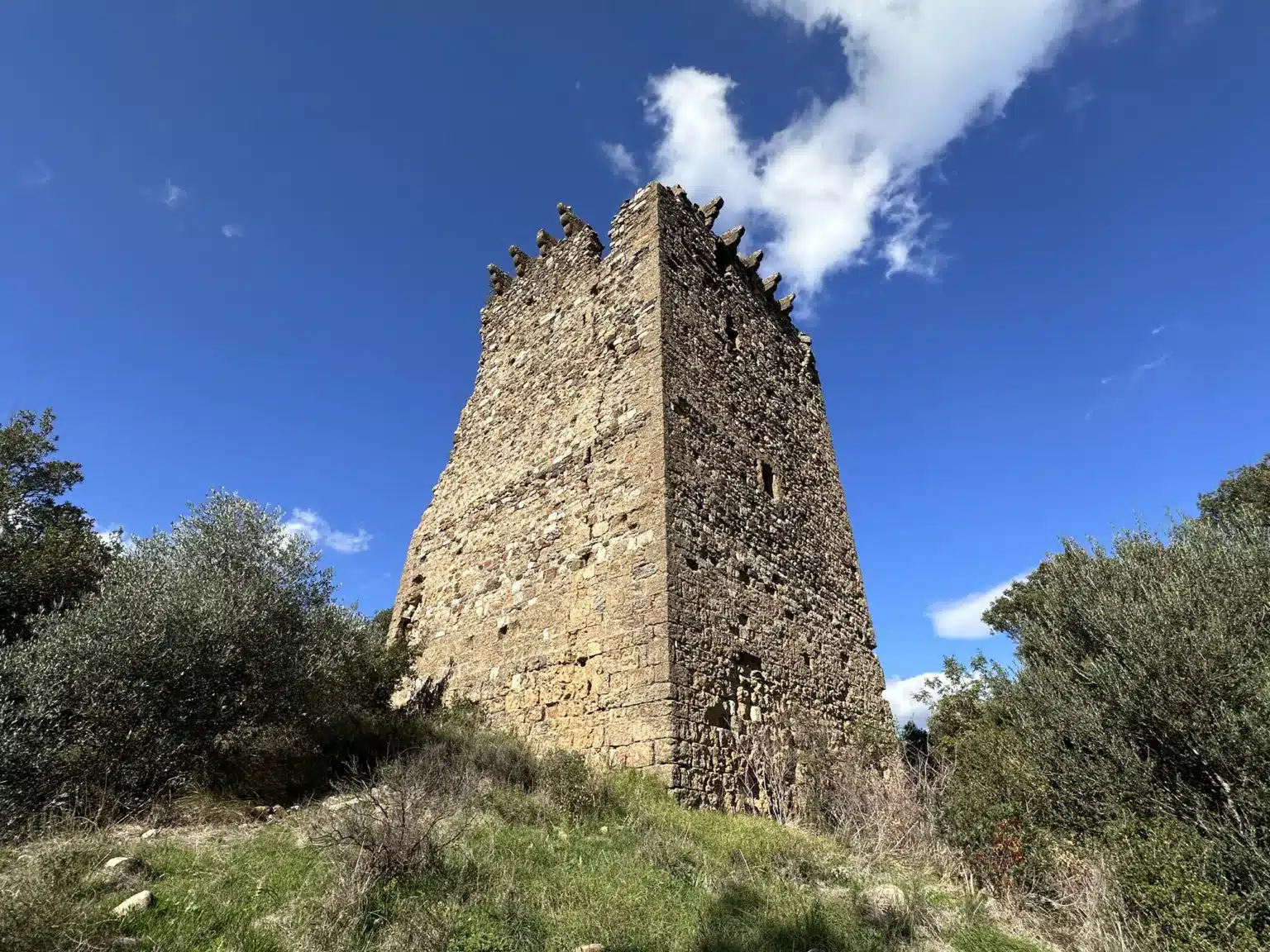
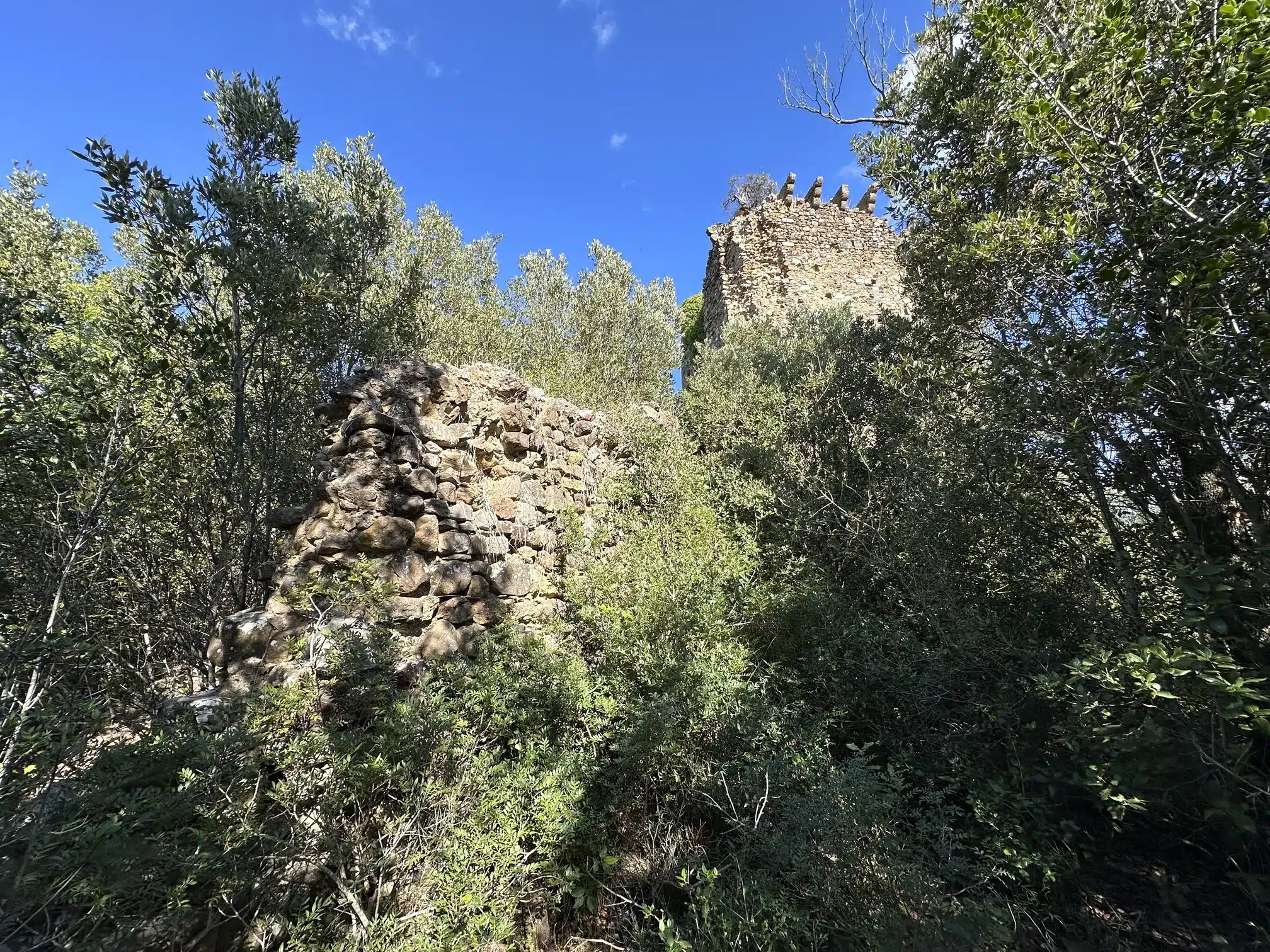
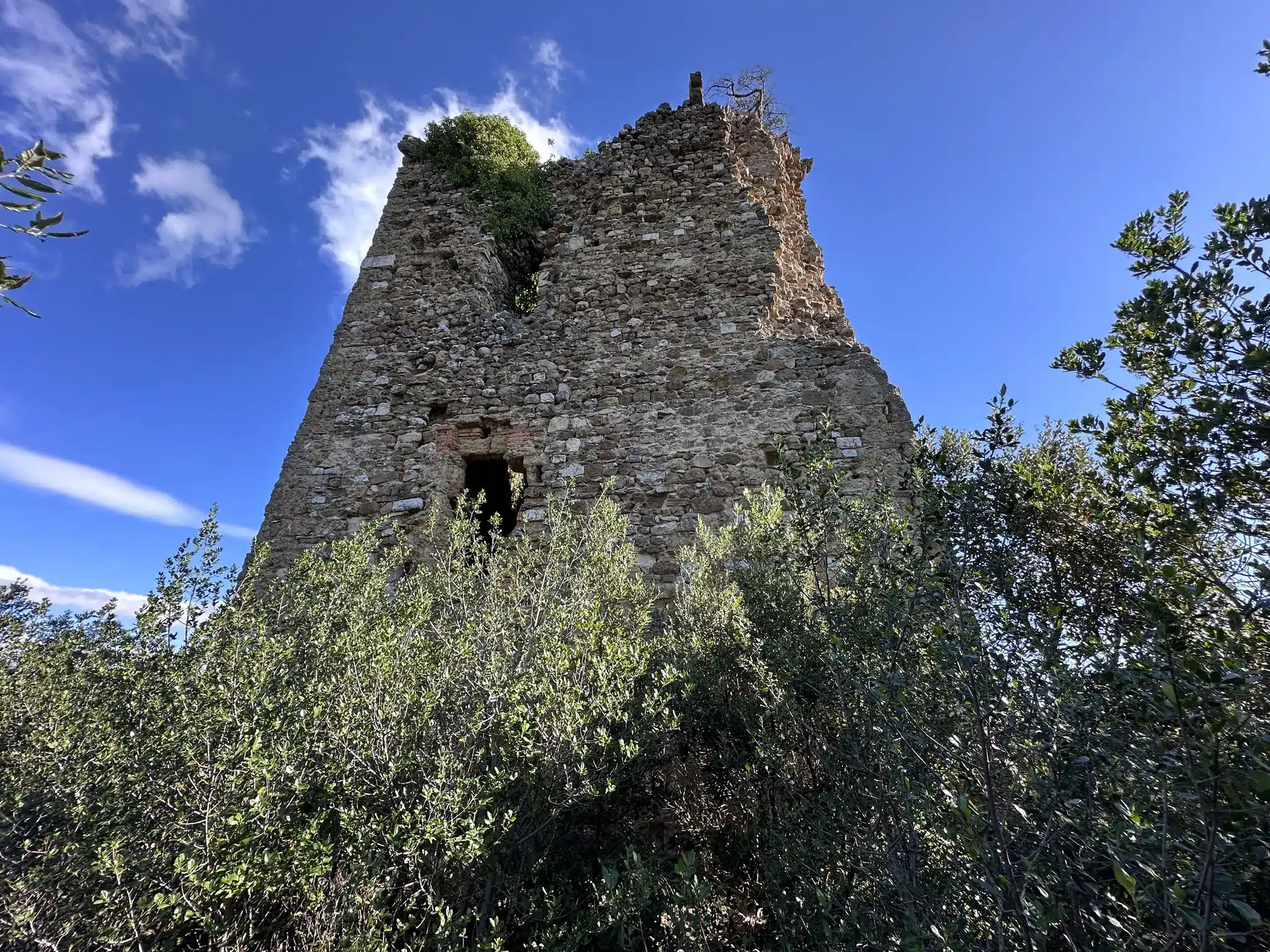
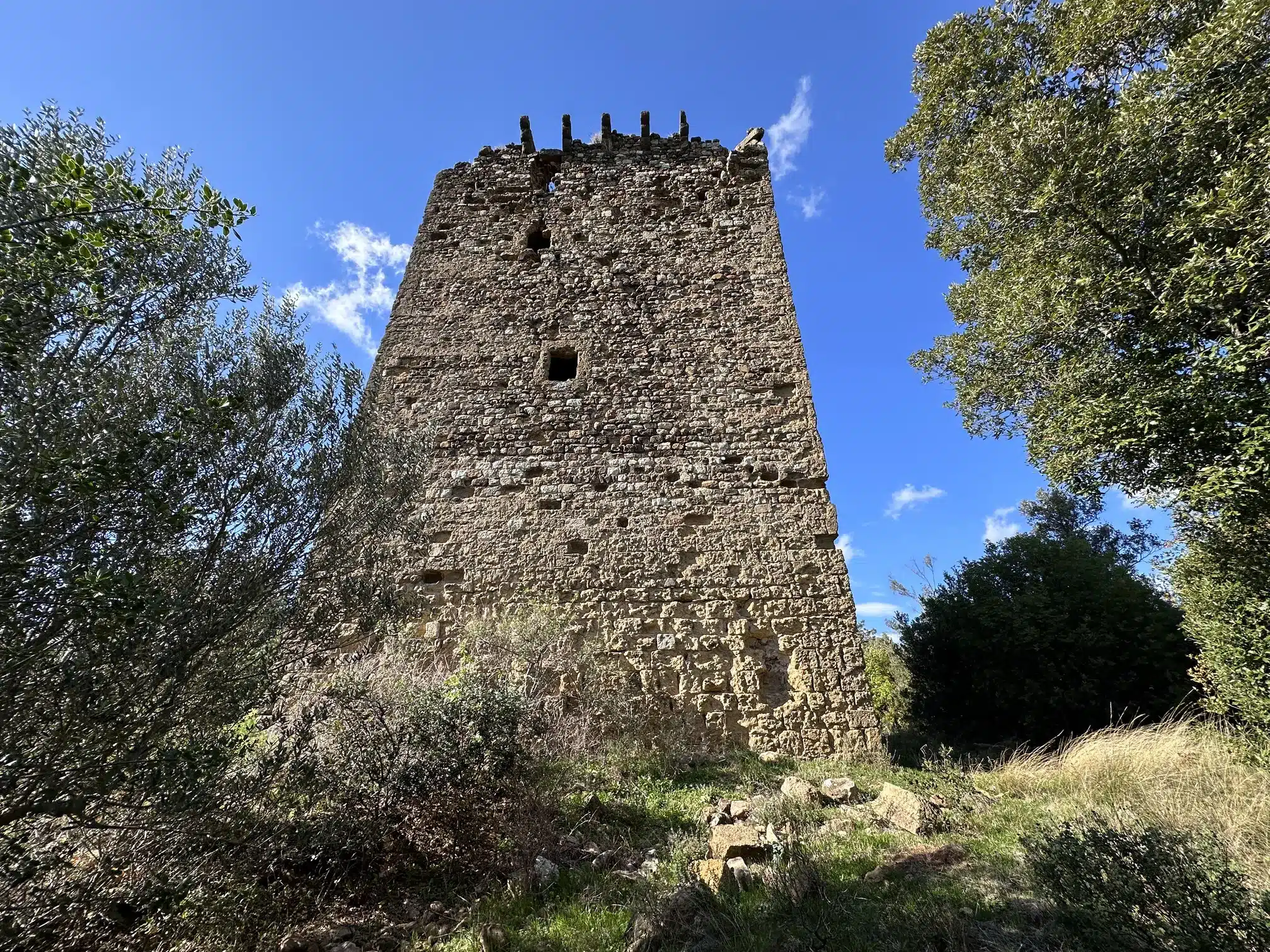
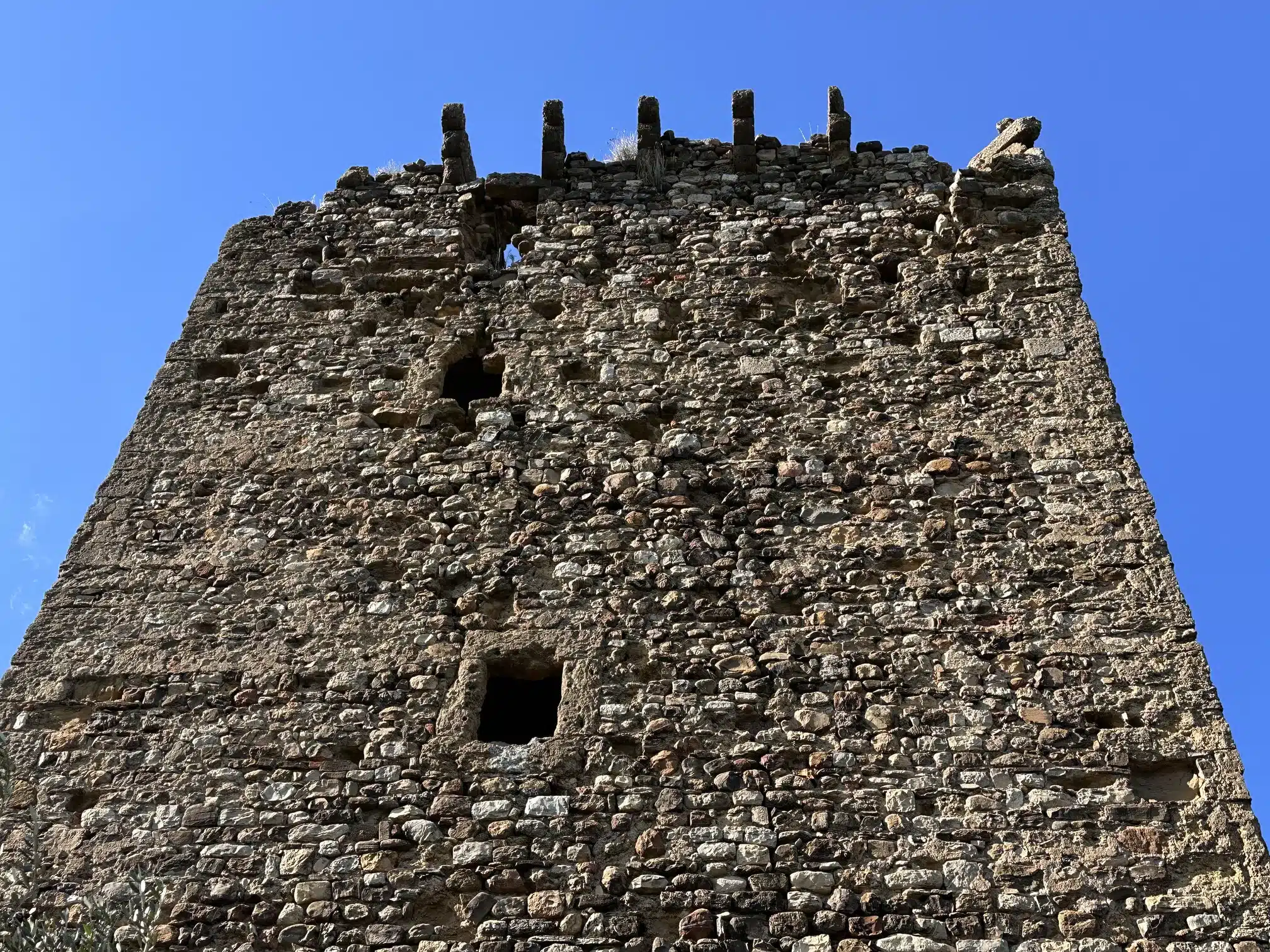
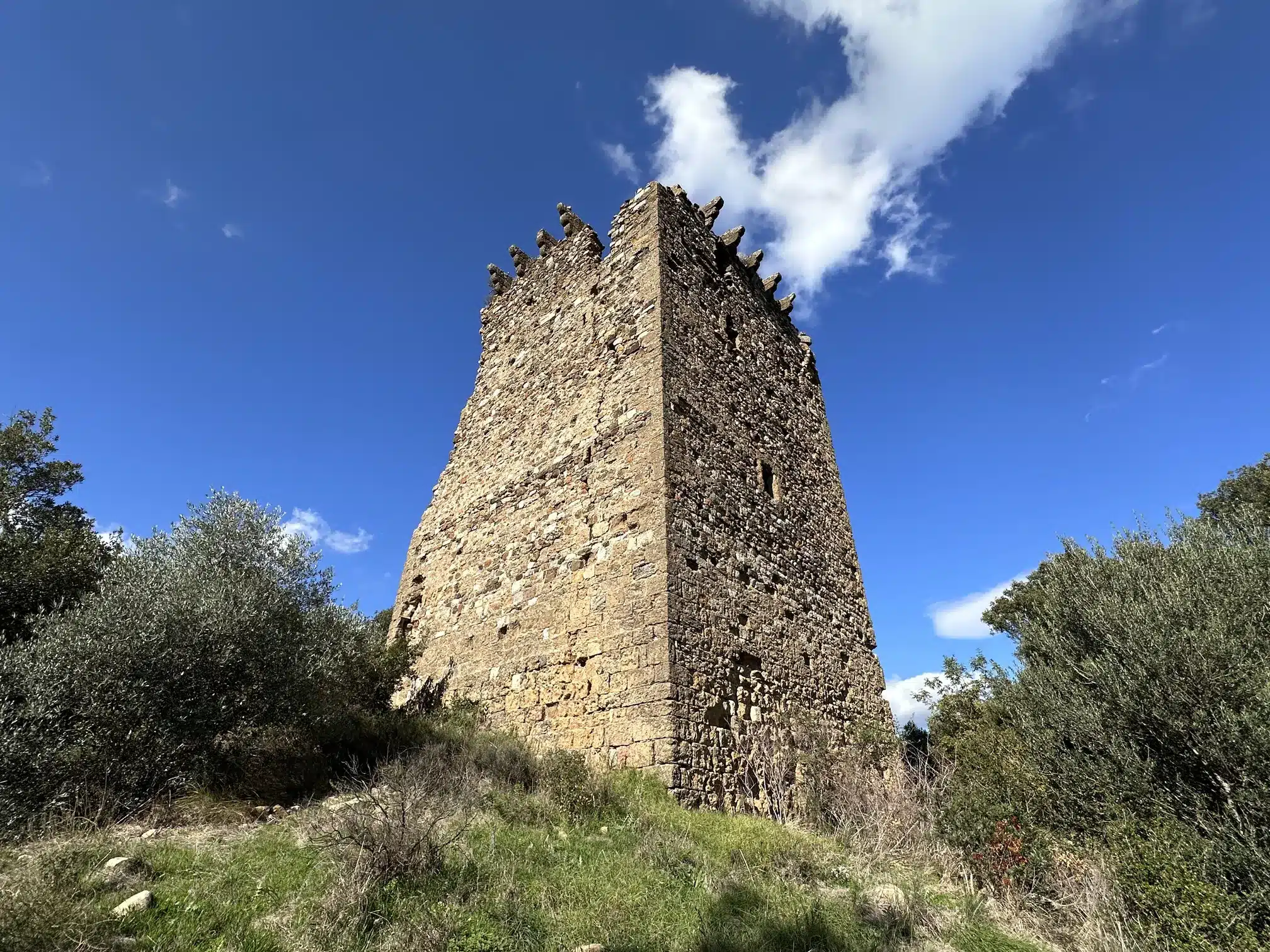
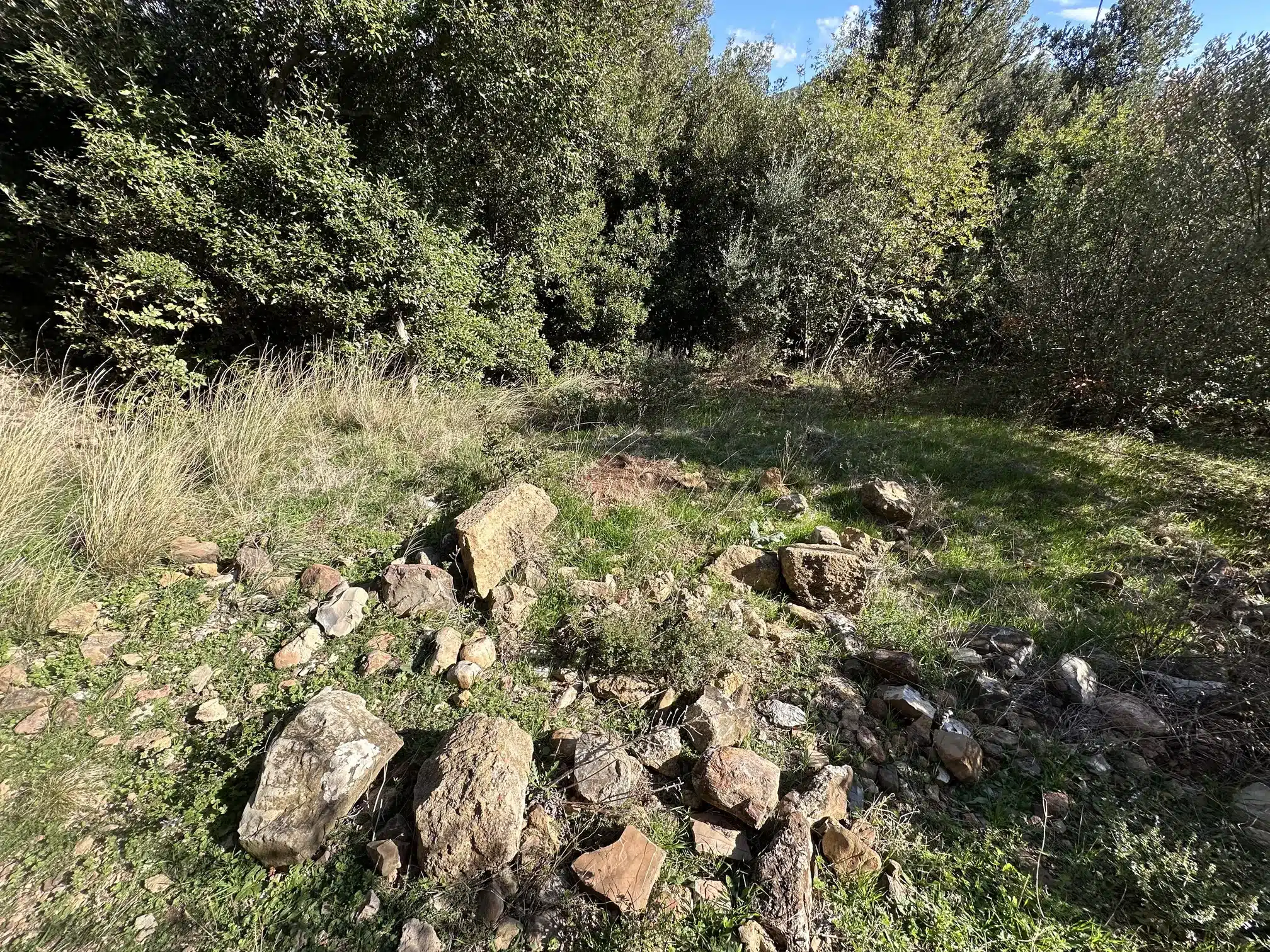
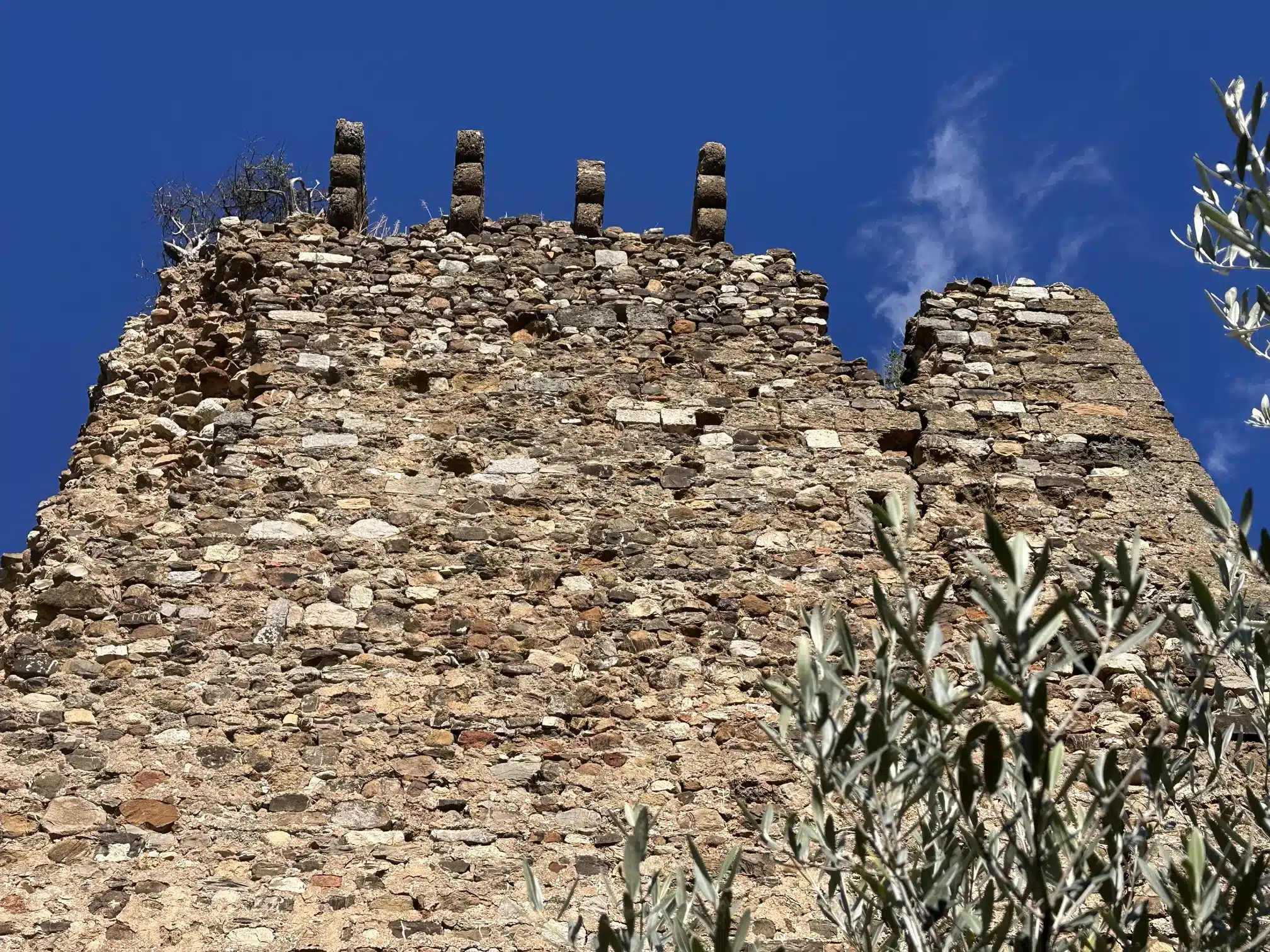
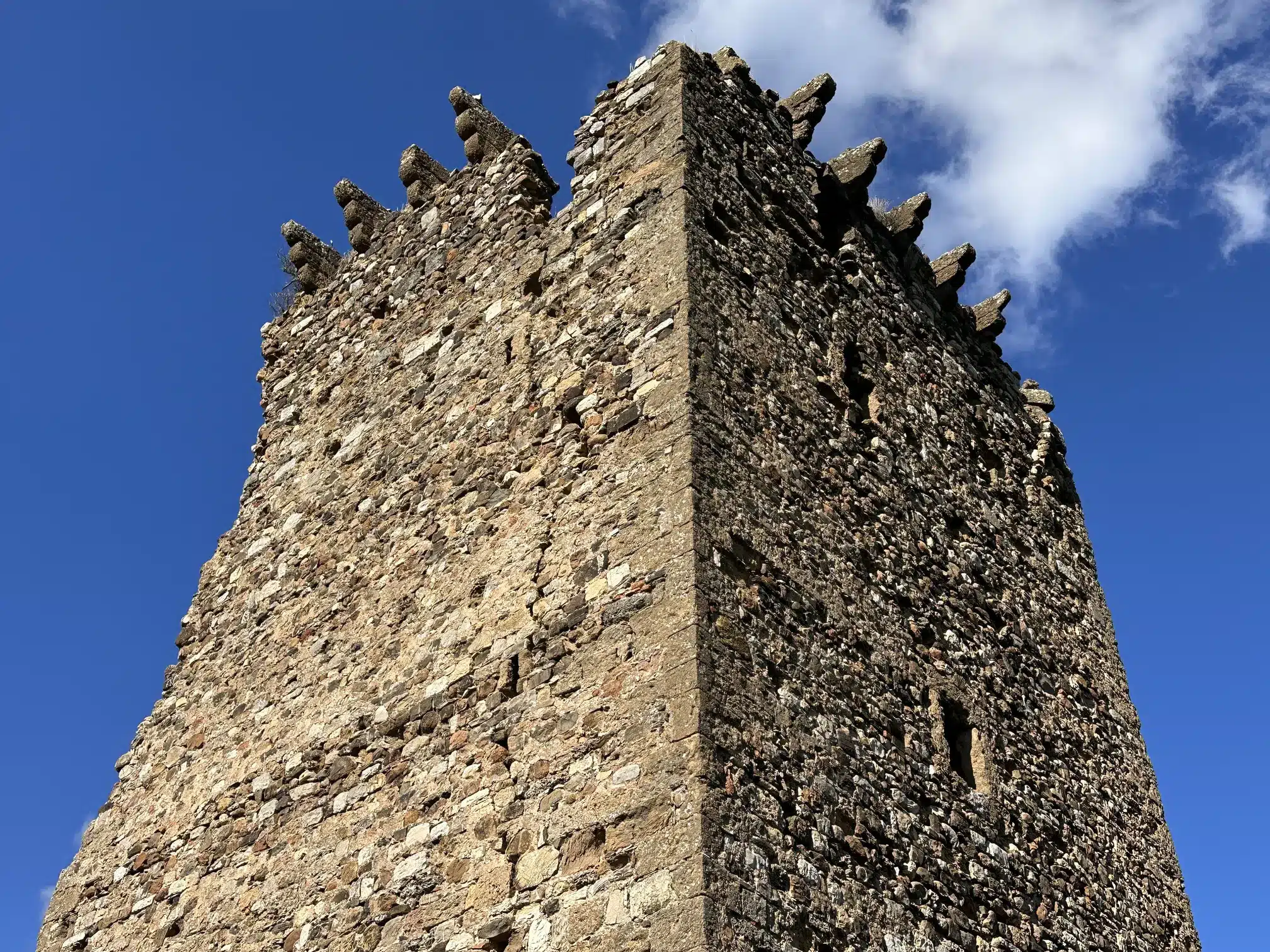
Today the Torraccia is a ruin on private property (the de Larderel family). It is a square tower of dark stone, more than fifteen meters high. It shows two distinct building phases: in materials and technique. The courses are of squared stones, and at the top the corbels survive, some of which have fallen and can be seen on the ground. Around the tower the remains of the walls are visible. The tower has partly collapsed. Beside it stands an even more ruined wall, ending in a heap of stones. It is not protected by the Superintendency, but it is listed in the structural plan of Castelnuovo Val di Cecina, which provides for its possible restoration (something I consider rather unlikely).