How to reach
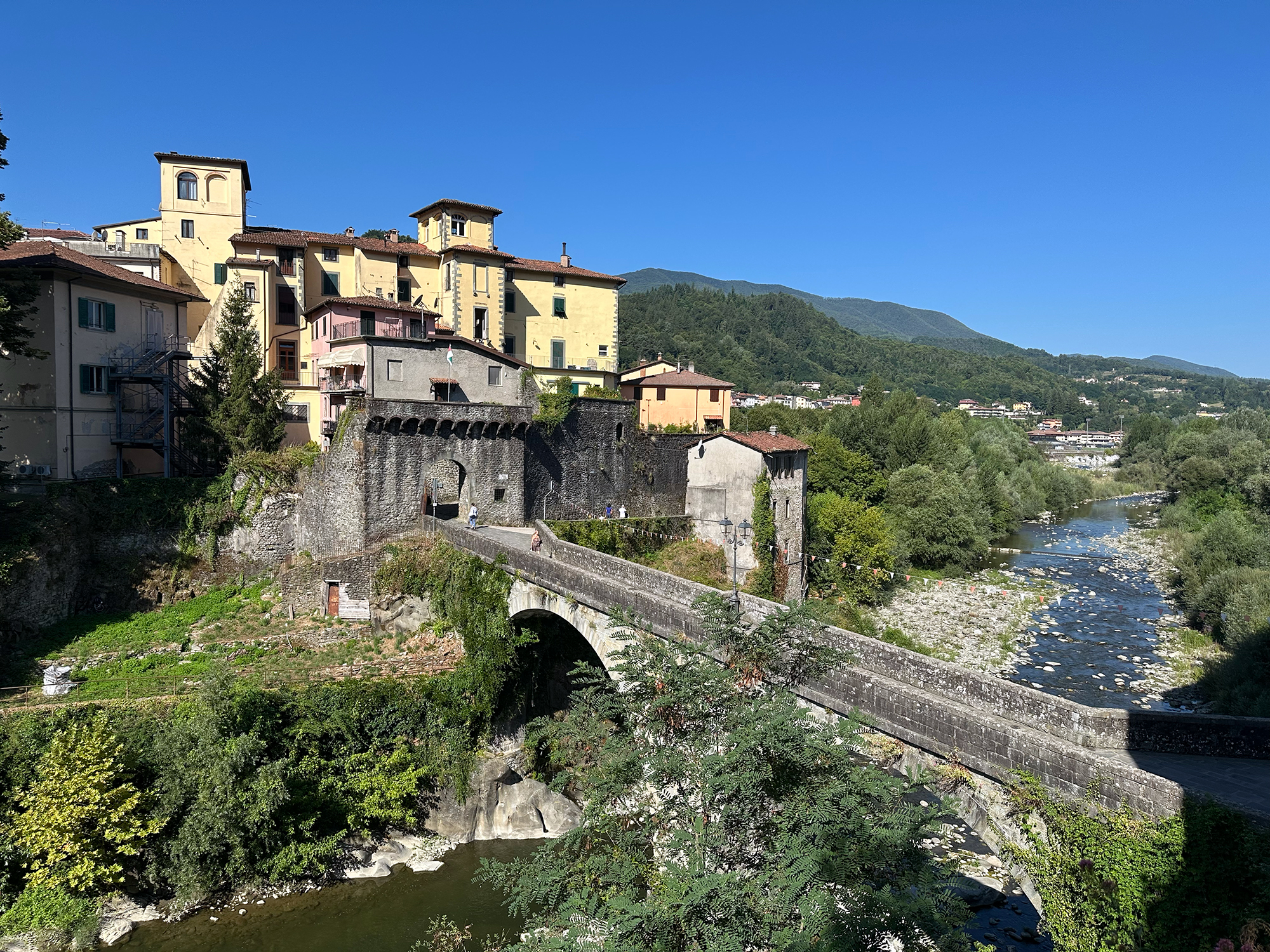
The Rocca Ariostesca is located in the heart of the historic center of Castelnuovo di Garfagnana, about 50 km from the Lucca Est exit of the A11 Firenze–Mare motorway. After leaving the motorway, follow the signs for Borgo a Mozzano along the SS12 Brennero road. After running alongside the Serchio River and crossing the famous Devil’s Bridge, continue following the signs for the SR445 Garfagnana road, the panoramic route that crosses the entire valley.
History
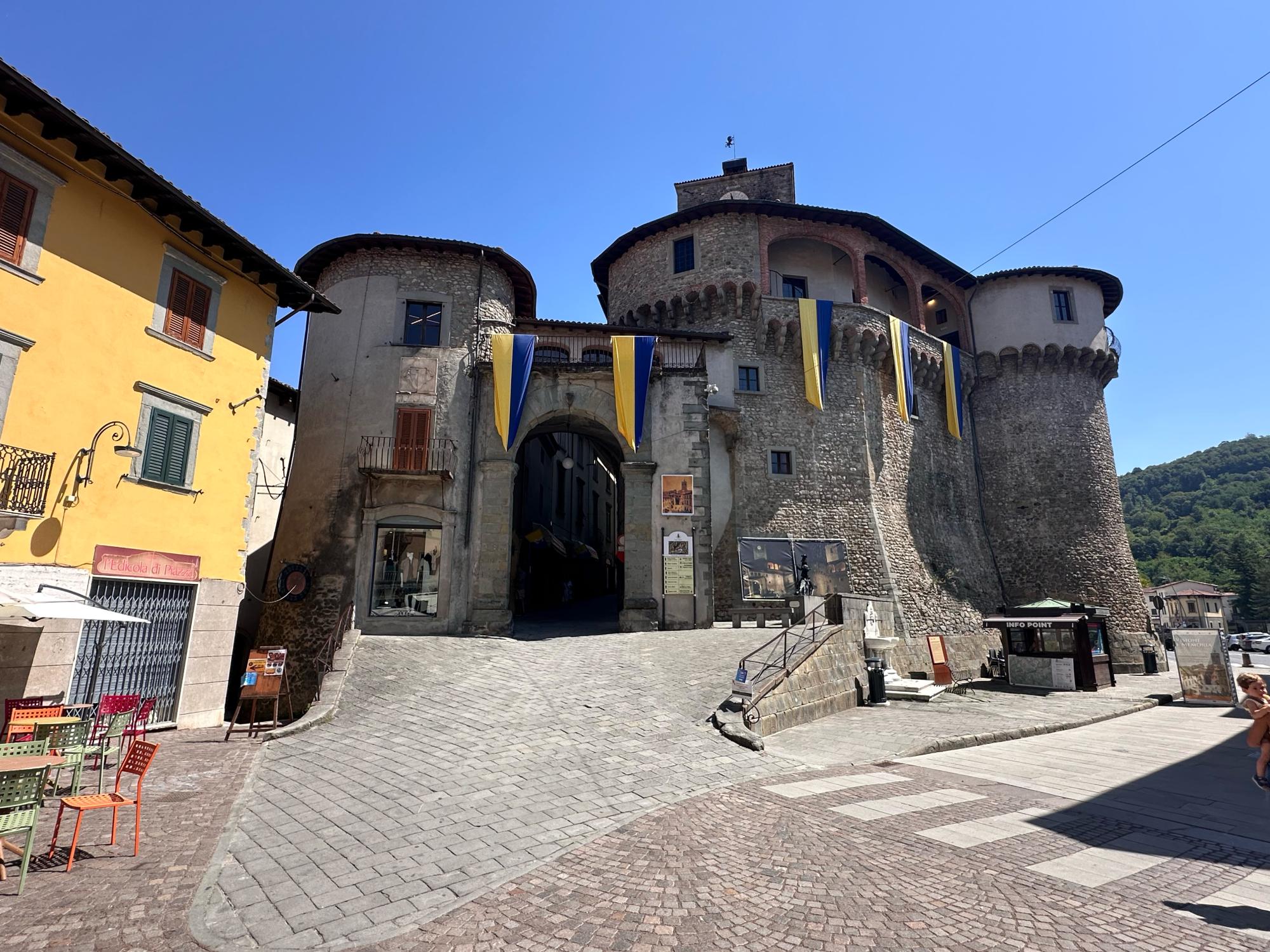
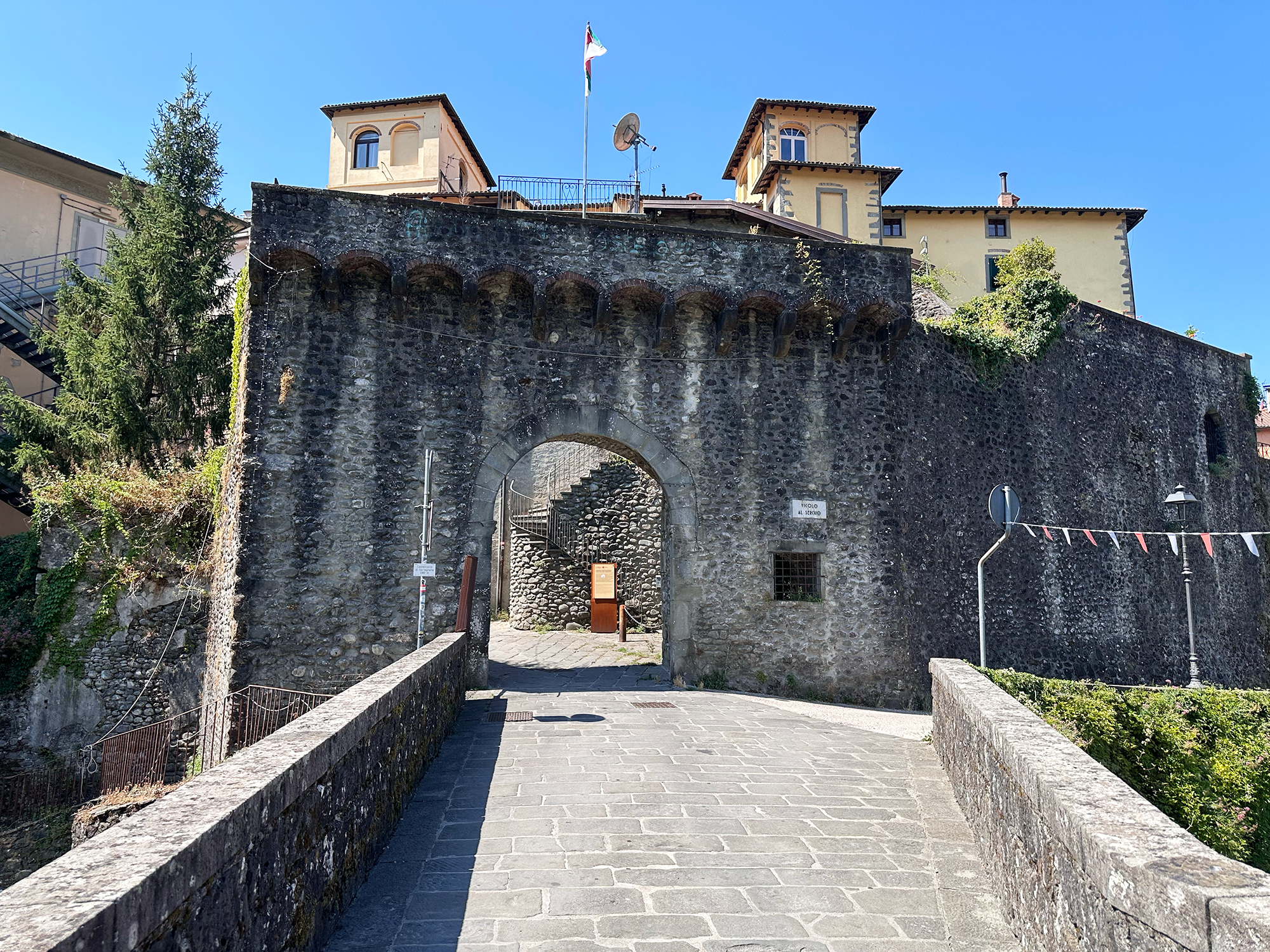
In the heart of Castelnuovo di Garfagnana, overlooking the elegant Piazza Umberto I, stands the Rocca Ariostesca, the symbolic monument of the town and one of the most important fortresses in the Garfagnana region. Its walls tell nearly a thousand years of history, marked by wars, noble families, governors, poets, and the many transformations that have shaped the entire valley.
However, the Rocca is much more than a medieval castle. It is the place where, between 1522 and 1525, one of Italy's greatest poets, Ludovico Ariosto, lived while serving as Governor of Garfagnana on behalf of the House of Este. It is this remarkable chapter in its history that gave the fortress the name by which it is still known today.
The Origins of the Fortress
The origins of the Rocca probably date back to between the 10th and 11th centuries, when a small fortified outpost stood on this site to control the main routes connecting the Po Valley with Tuscany. The building we see today began to take shape during the 12th century and was gradually expanded over the following centuries.
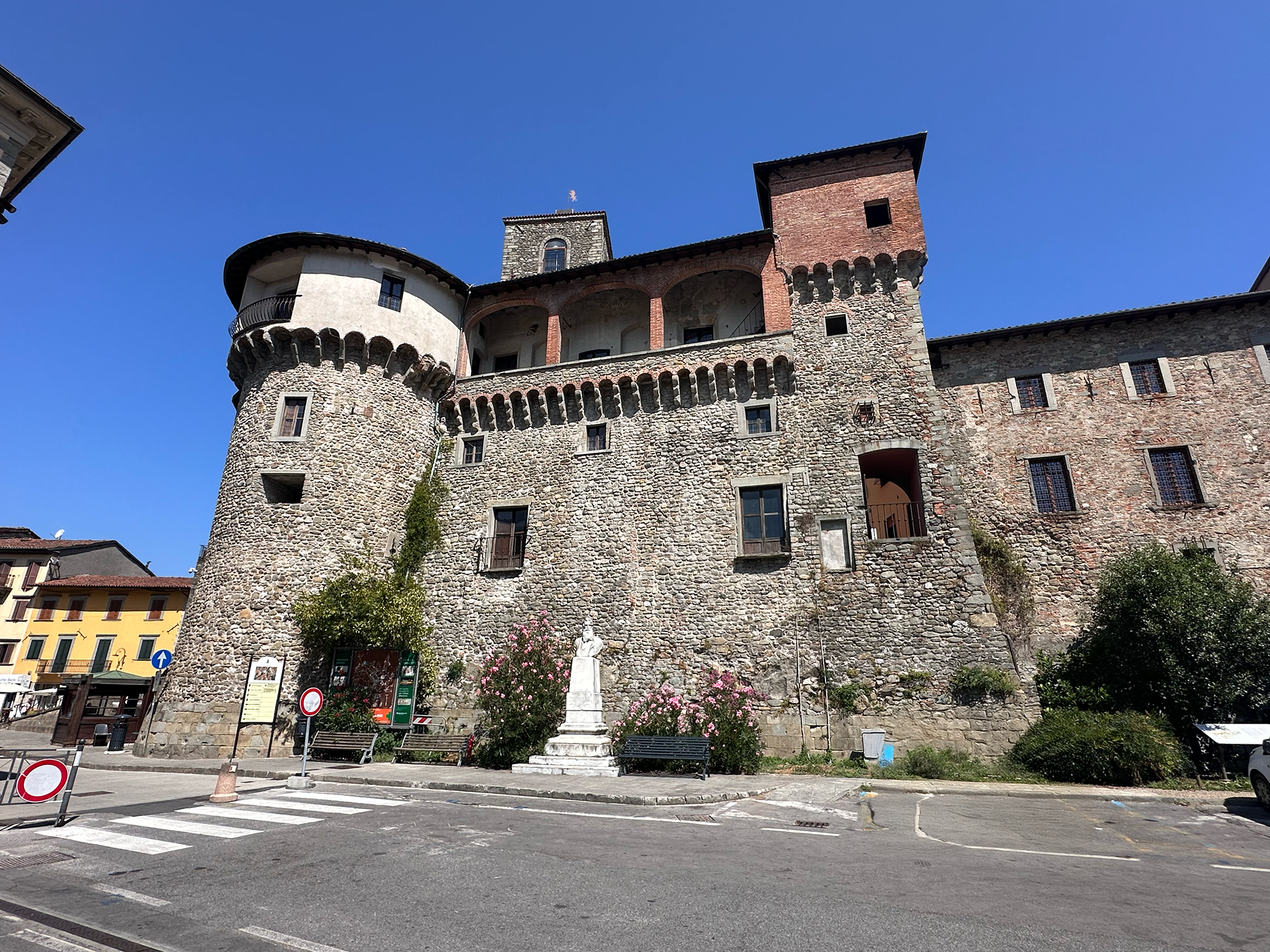
During the rule of the Republic of Lucca, the fortress played a strategic role in defending Garfagnana. At the beginning of the 14th century, Castruccio Castracani enlarged the town's defensive walls, while Paolo Guinigi commissioned the construction of the large central square tower, now distinguished by its civic clock and used for many years as the town prison.
Ludovico Ariosto, Governor of Garfagnana
In 1430, Castelnuovo came under the rule of the House of Este, becoming the administrative capital of Este-controlled Garfagnana. The Rocca gradually evolved from a purely military fortress into the seat of local government.
It was here that Duke Alfonso I d'Este appointed Ludovico Ariosto as Governor of the province. The celebrated author of Orlando Furioso lived in Castelnuovo from 1522 to 1525, where he was responsible for governing a difficult territory plagued by banditry, feuds between local families, and constant political tensions.
In his letters, Ariosto frequently described the hardships he faced during this assignment, which was very different from the comfortable court life he had enjoyed in Ferrara. Despite these challenges, he succeeded in restoring order to the region and left such a lasting legacy that the fortress still bears his name today.
A Fortress Transformed Through the Centuries
Over the centuries, the Rocca Ariostesca has undergone numerous architectural transformations. Its medieval layout remains clearly visible in its massive walls and corner towers, while later Renaissance additions gradually transformed it from a purely defensive structure into an administrative palace.
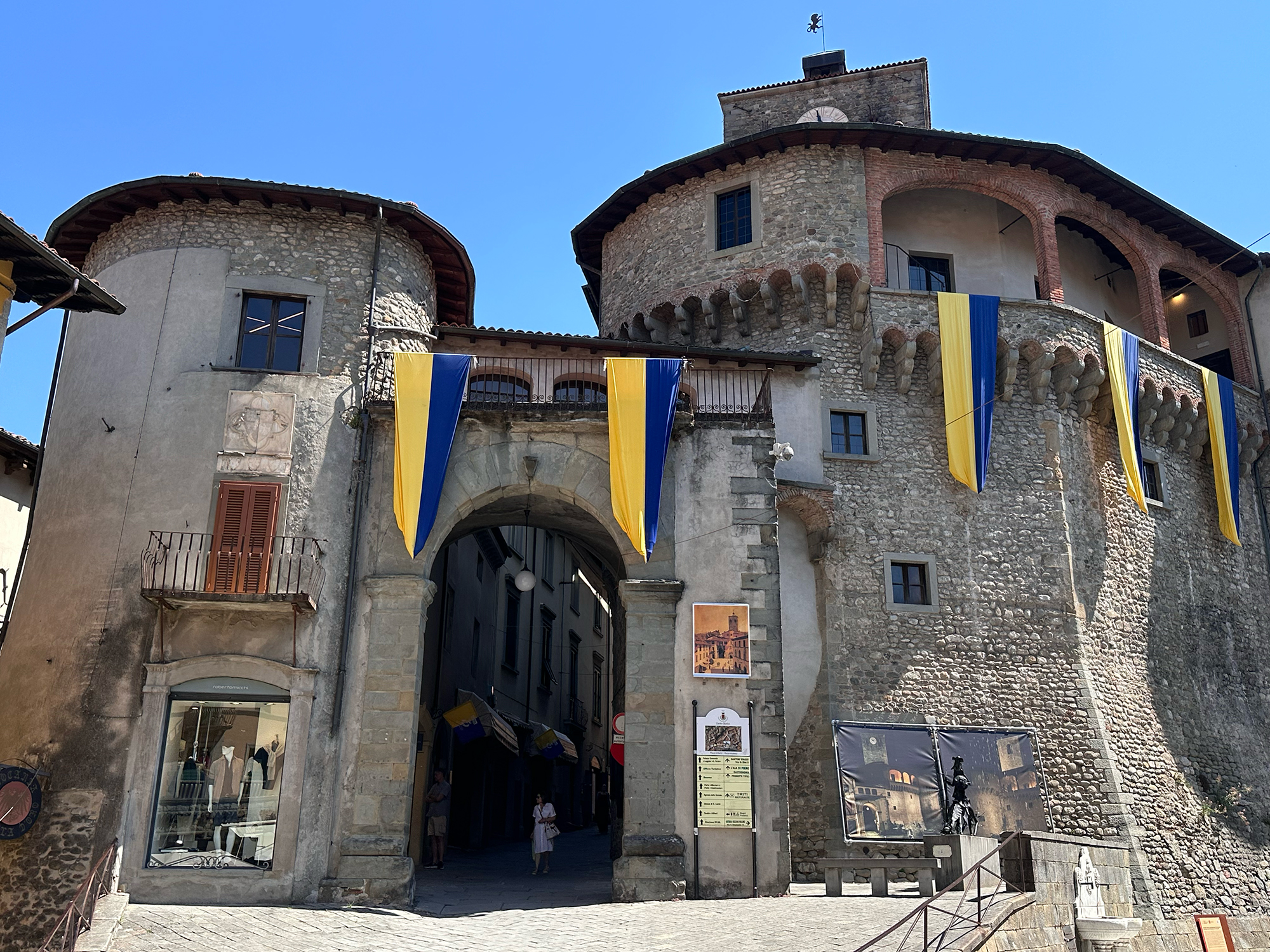
In 1675, the terrace overlooking the main square and the monumental gateway leading into the historic centre were built, giving the fortress much of the appearance it retains today.
During the Second World War, the building suffered severe damage during the bombings of 1944, but it was later carefully restored while preserving most of its historic character.
The Palazzo di Atlante
Today, the Rocca Ariostesca houses the Palazzo di Atlante, a multimedia museum dedicated to Ludovico Ariosto and his masterpiece, Orlando Furioso. Through interactive installations, projections, and immersive displays, visitors are guided through the poem's most famous characters and episodes, offering an engaging way to discover both Ariosto's literary legacy and the history of Garfagnana.
The Rocca Today
Overlooking the main square of Castelnuovo di Garfagnana, the Rocca Ariostesca remains the town's most iconic landmark and one of the most significant monuments in the entire valley. Walking beneath its monumental arch or admiring its clock tower, it is easy to imagine the generations of soldiers, merchants, governors, and travellers who passed through these walls over the centuries.
Visiting the Rocca Ariostesca means discovering not only an important medieval fortress, but also a place where history, literature, and architecture come together, offering one of the most fascinating stories in all of Garfagnana.