How to reach
The fortress of Castiglione is placed along the state road, which climbs from Castelnuovo Garfagnana toward the Pass of the Radici.
History
Origins and Location
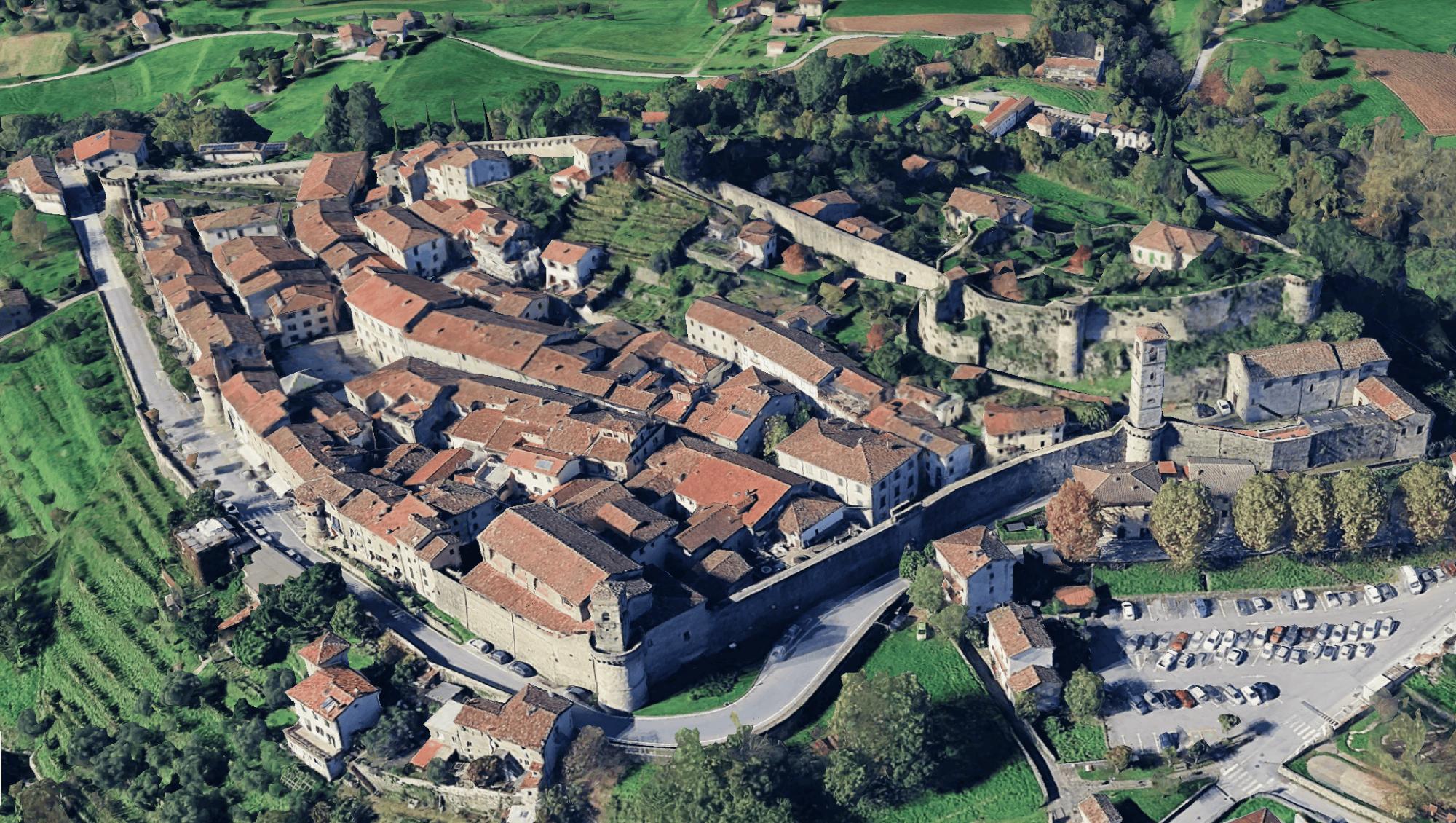
The village sits atop a hill, overlooking the entire valley nestled between the gentle Apennine Mountains and the more imposing Apuan Alps, at an elevation of approximately 545 metres (1,788 ft). Its history dates back to Roman times with the ancient "Castrum Leonis", built on land taken from the Ligurian Apuani tribe. Some sources trace the first Roman military settlement back to the 2nd century BC. Castiglione has always been highly valued for its strategic position controlling the road leading to the San Pellegrino Pass and, more generally, the route towards the Passo delle Radici and the province of Modena. At that time, this was one of the easiest crossings of the Apennines for military armies. Precisely because of its strategic location, the village experienced a turbulent history and endured numerous sieges. The first, by the people of Lucca in 1170, caused extensive damage.
A History of Sieges and Loyalty to Lucca
The surrender committed Lucca to rebuilding the settlement and elevating it to the seat of a Vicariate. However, due to abuses of power and heavy taxes imposed on the population, Castiglione became the driving force behind a league of Garfagnana municipalities against the Republic itself. The village was destroyed again in 1226–1227 and rebuilt in 1230, only to be besieged and razed to the ground for a third time in 1277, once again by the soldiers of Lucca. In June 1370, the sons of Castruccio Castracani briefly occupied the castle, but after they were driven out, Lucca took permanent control. The peace treaty of 1371 formally assigned the fortress to the Republic of Lucca, which installed a permanent commissioner and strengthened the defensive system by expanding the town walls that still survive today.
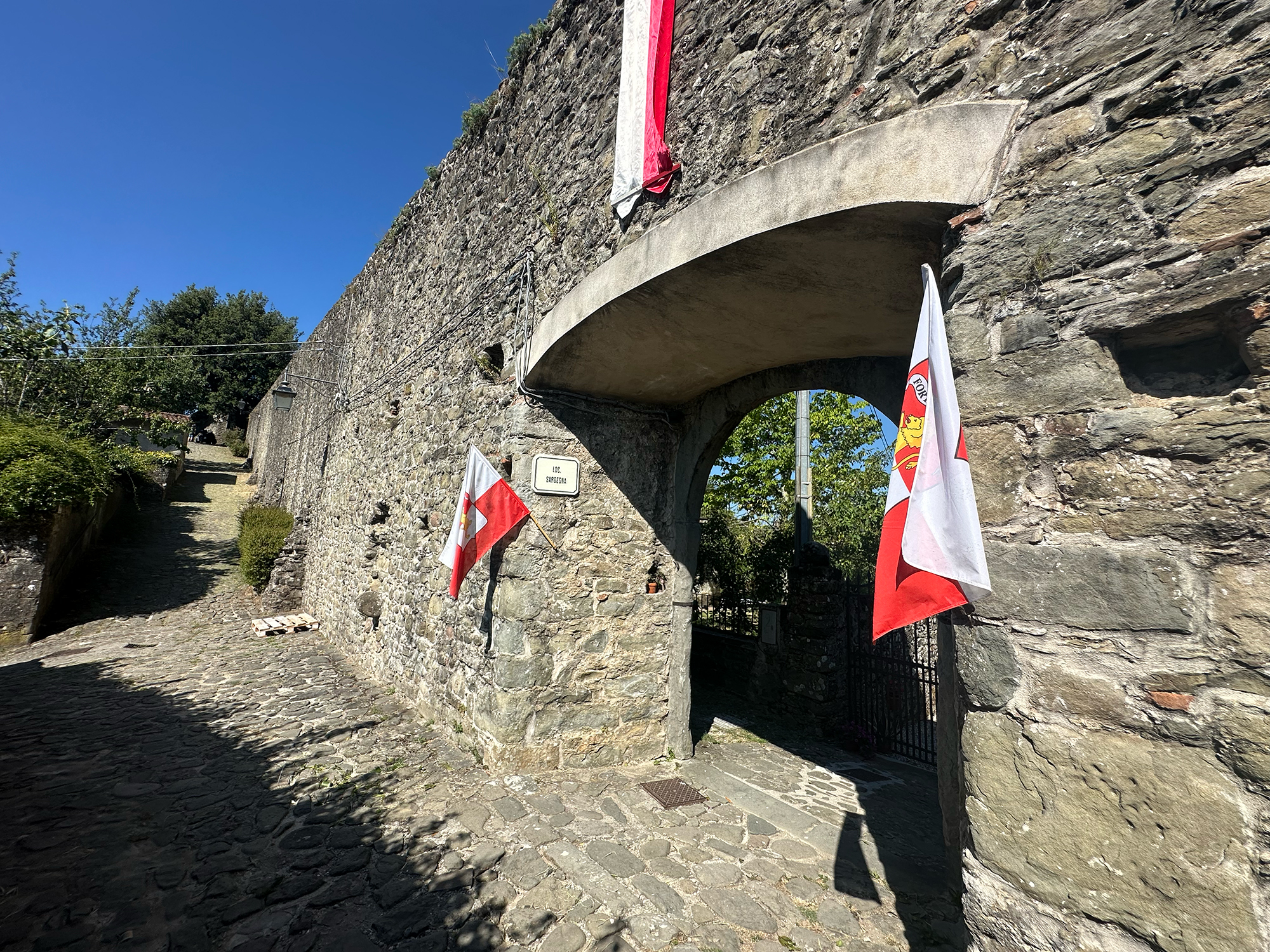
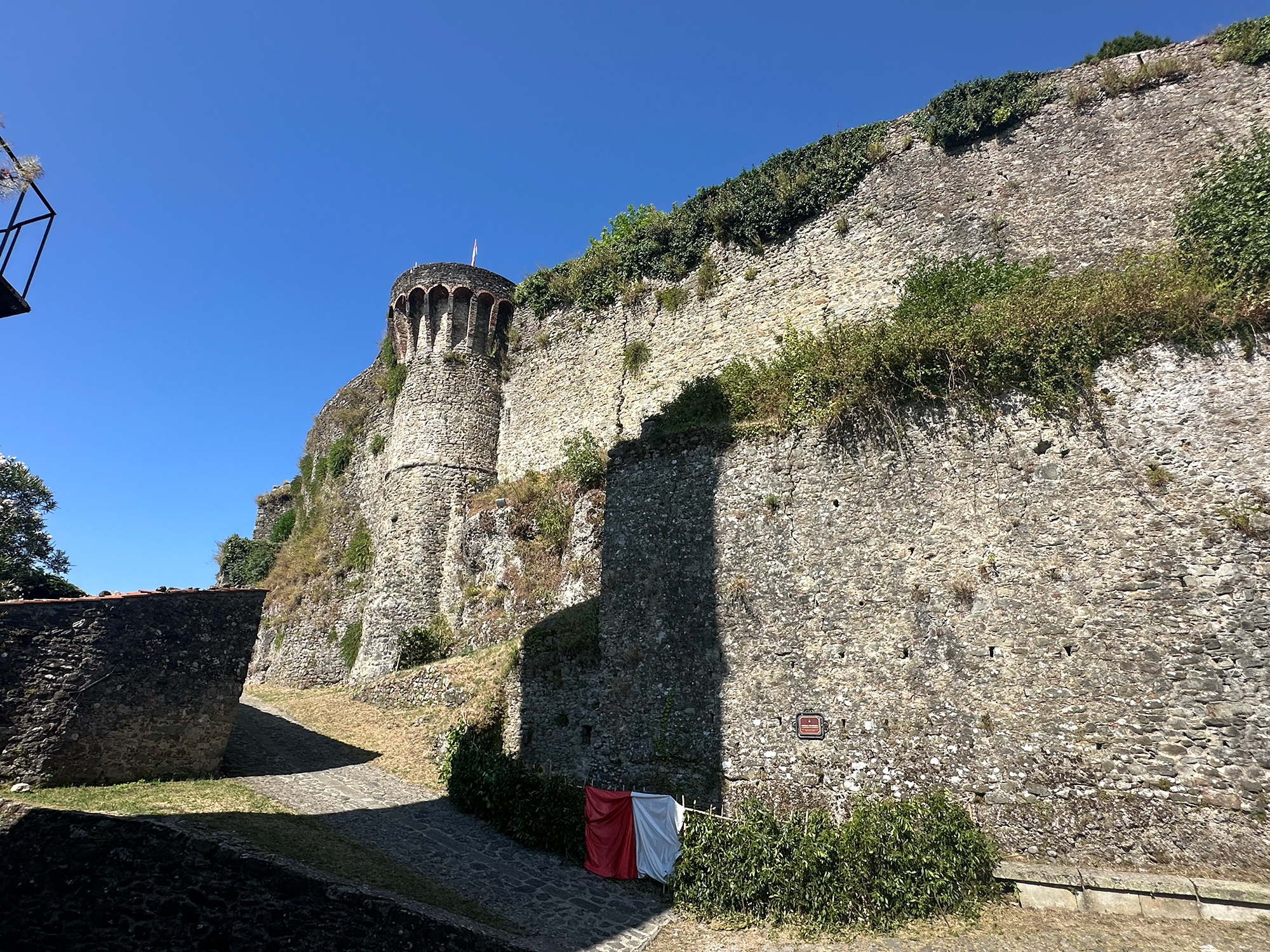
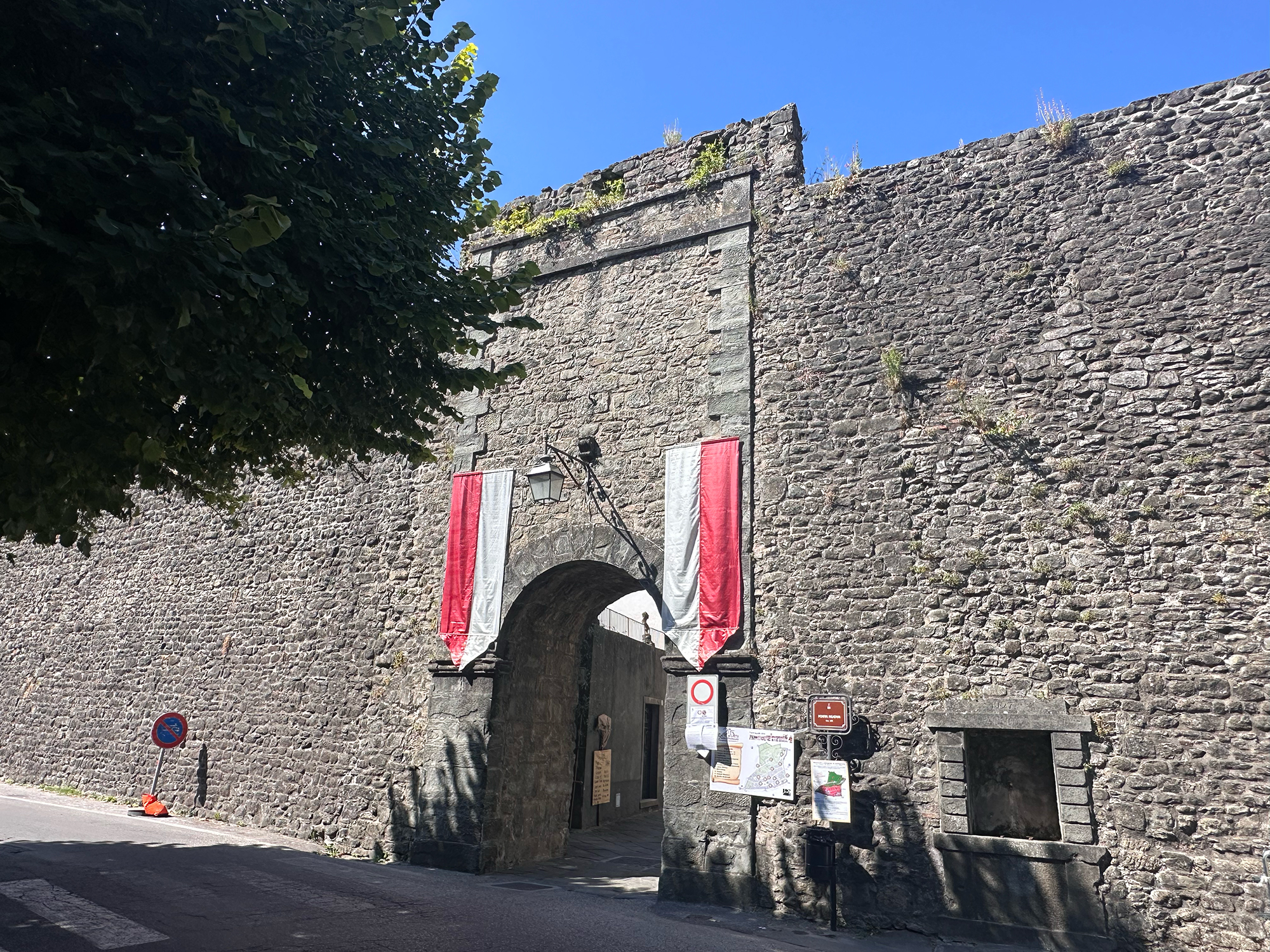
During the 15th century, Castiglione was one of the few communities in Garfagnana that did not submit to the House of Este, remaining loyal to Lucca (with a brief Florentine interlude that ended in 1433 in Lucca's favour). The wars with the Este family brought new sieges, particularly fierce in 1603 and 1613. In 1610, the village also successfully resisted an attack by the Modenese, after which a long period of peace began. In 1806, following the Napoleonic conquests, Castiglione became part of the Principality of Lucca, ruled by Elisa Bonaparte and Felice Baciocchi. This period gave rise to the municipal coat of arms, featuring a lion on the white and red background of the Republic of Lucca.
The Fortress (Rocca)
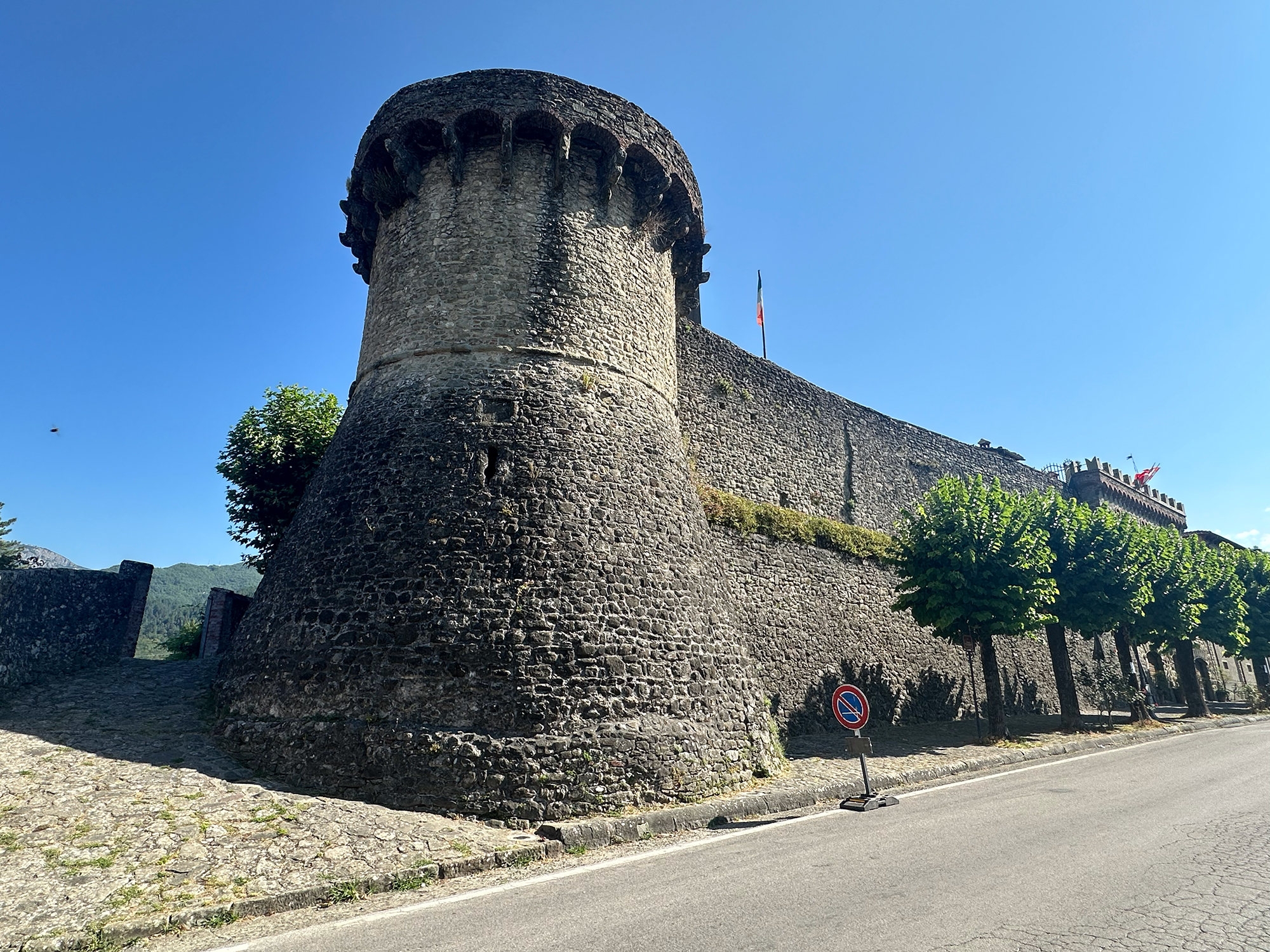
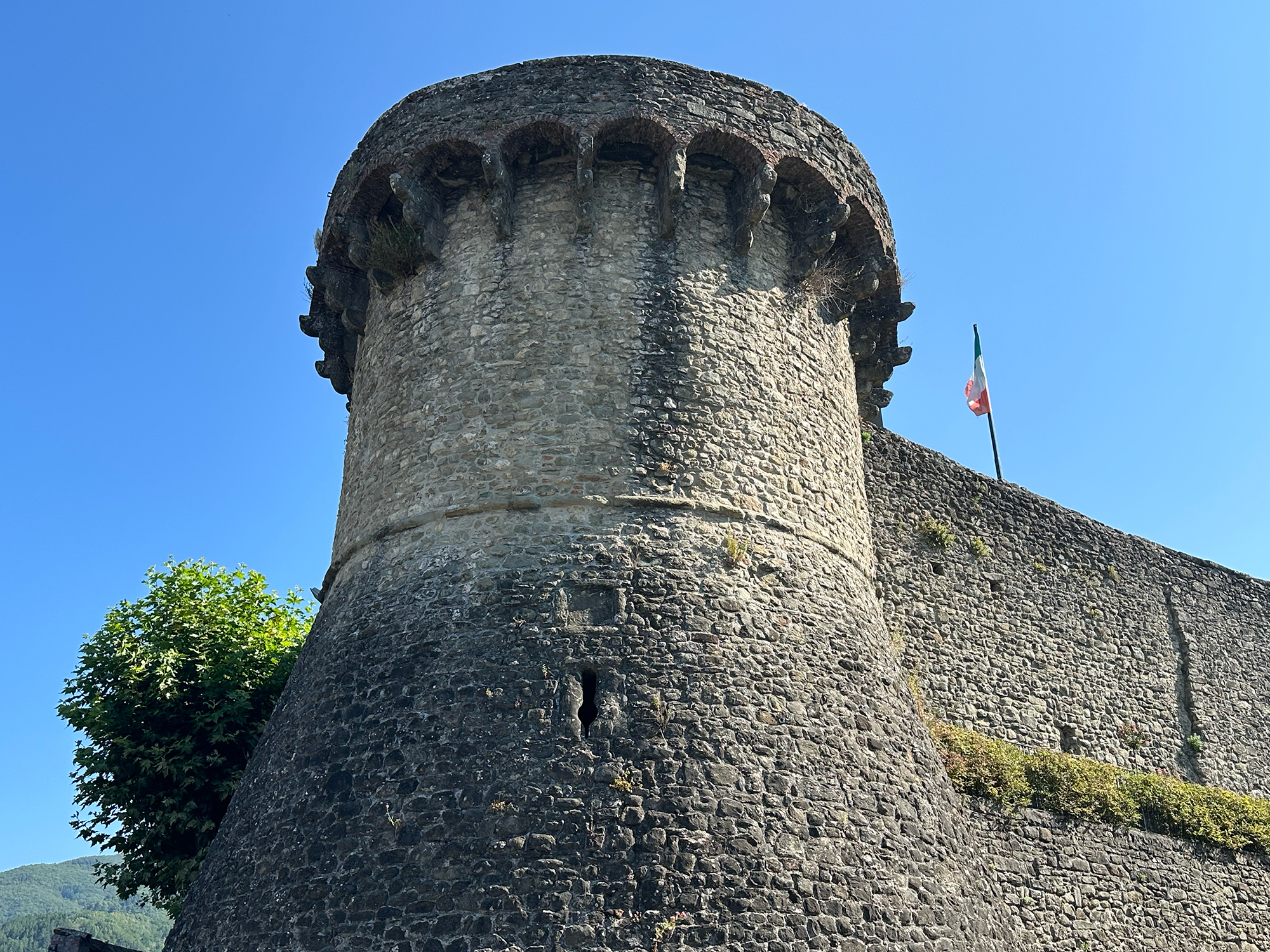
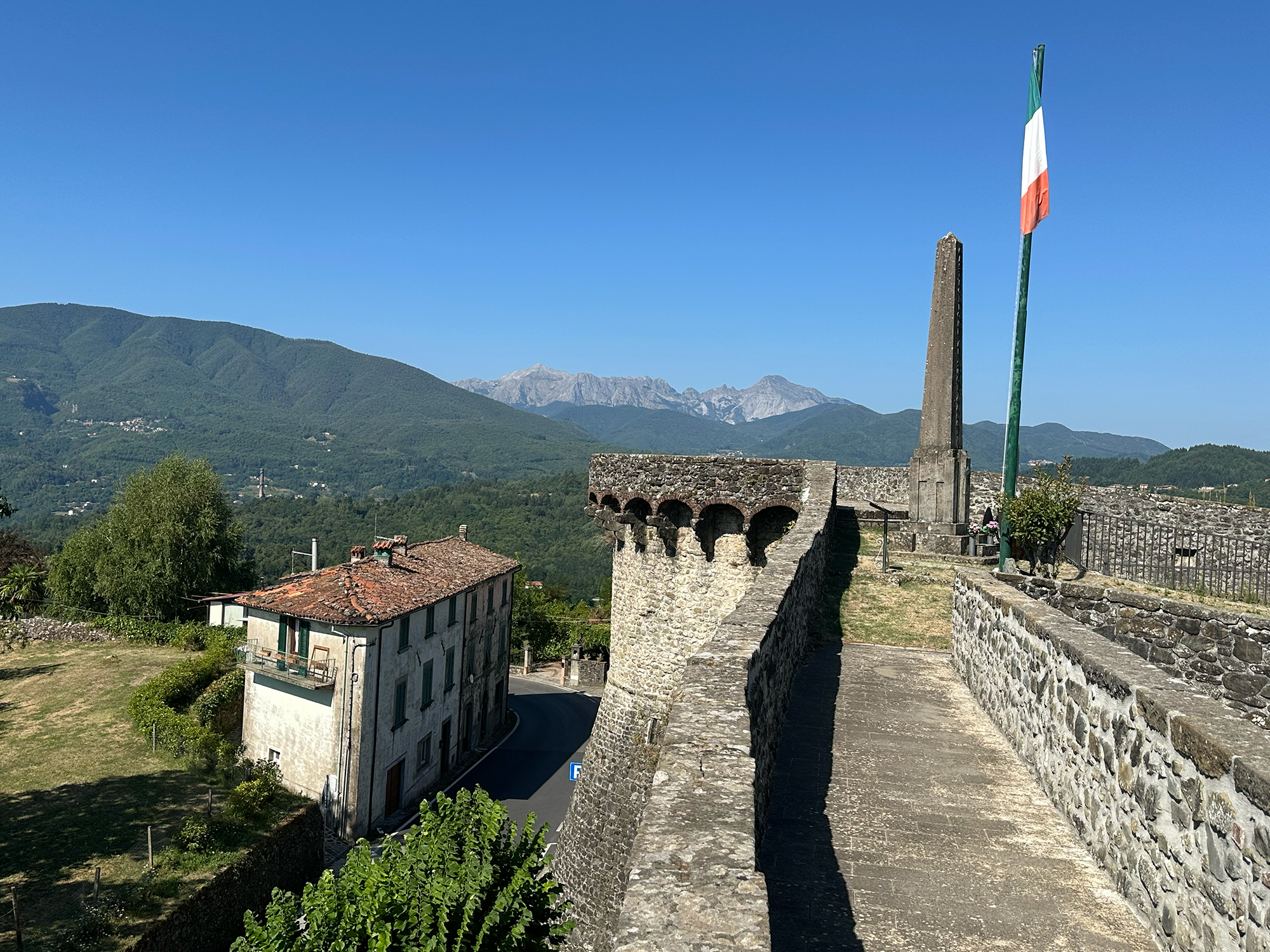
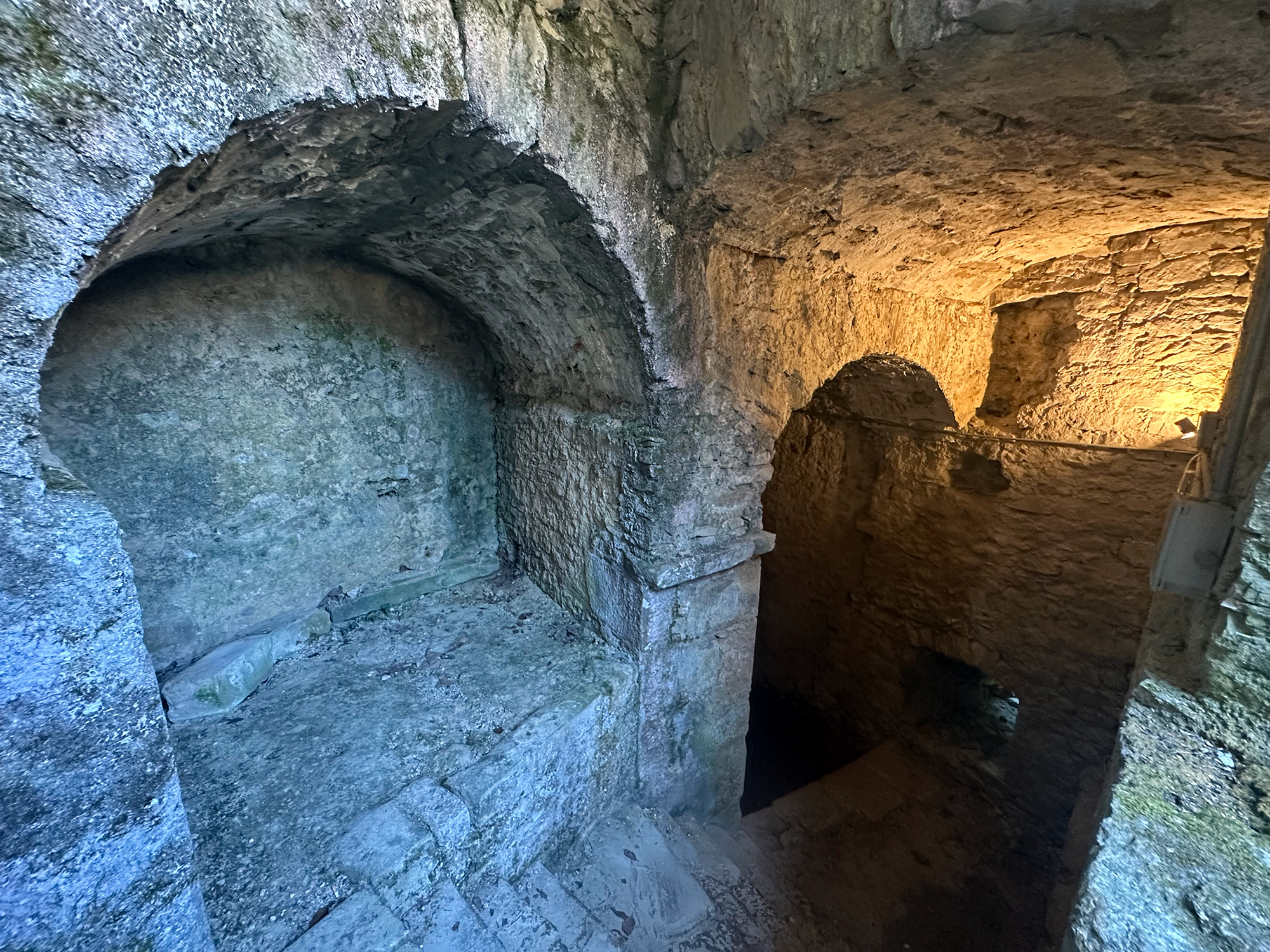
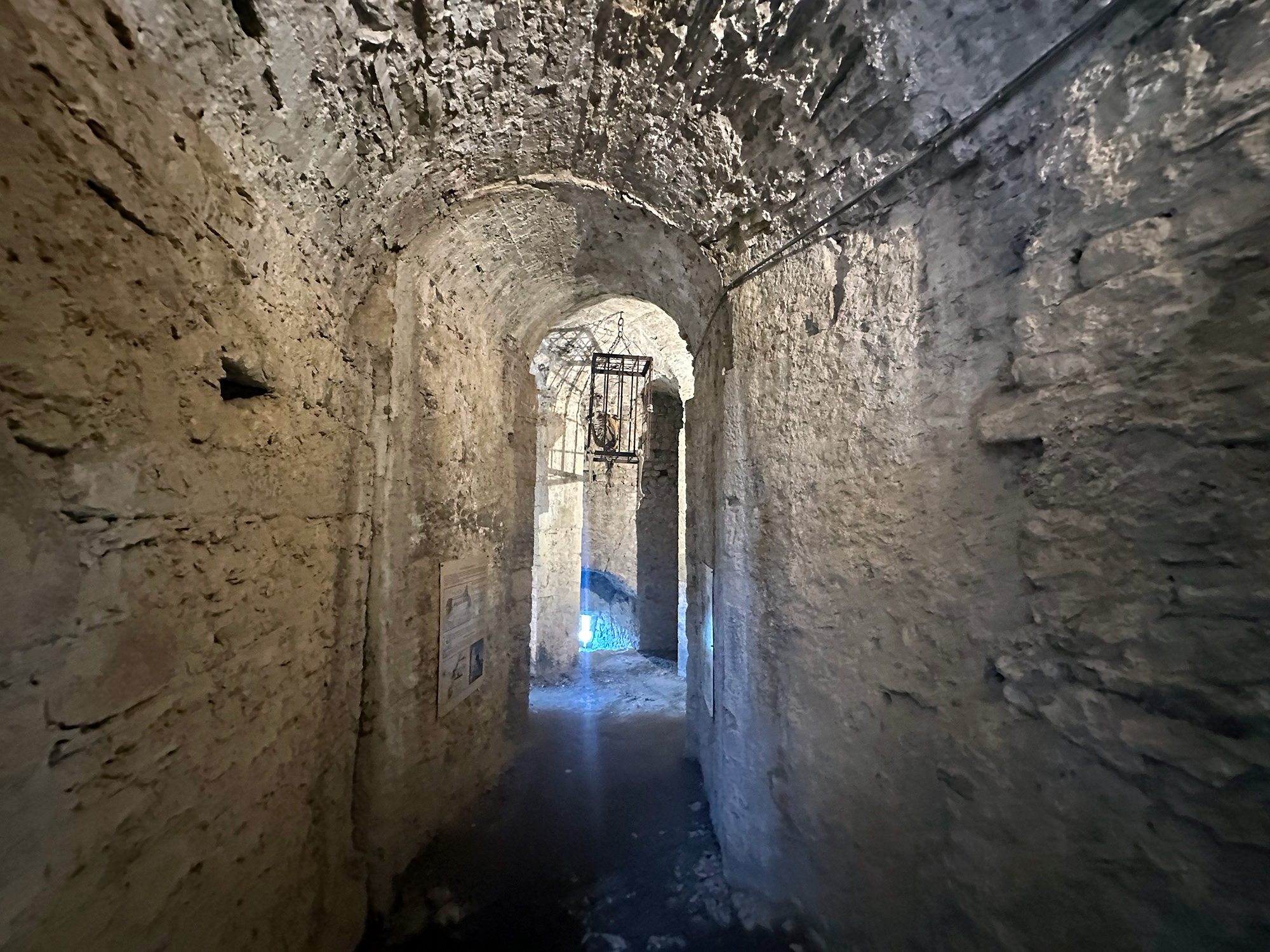
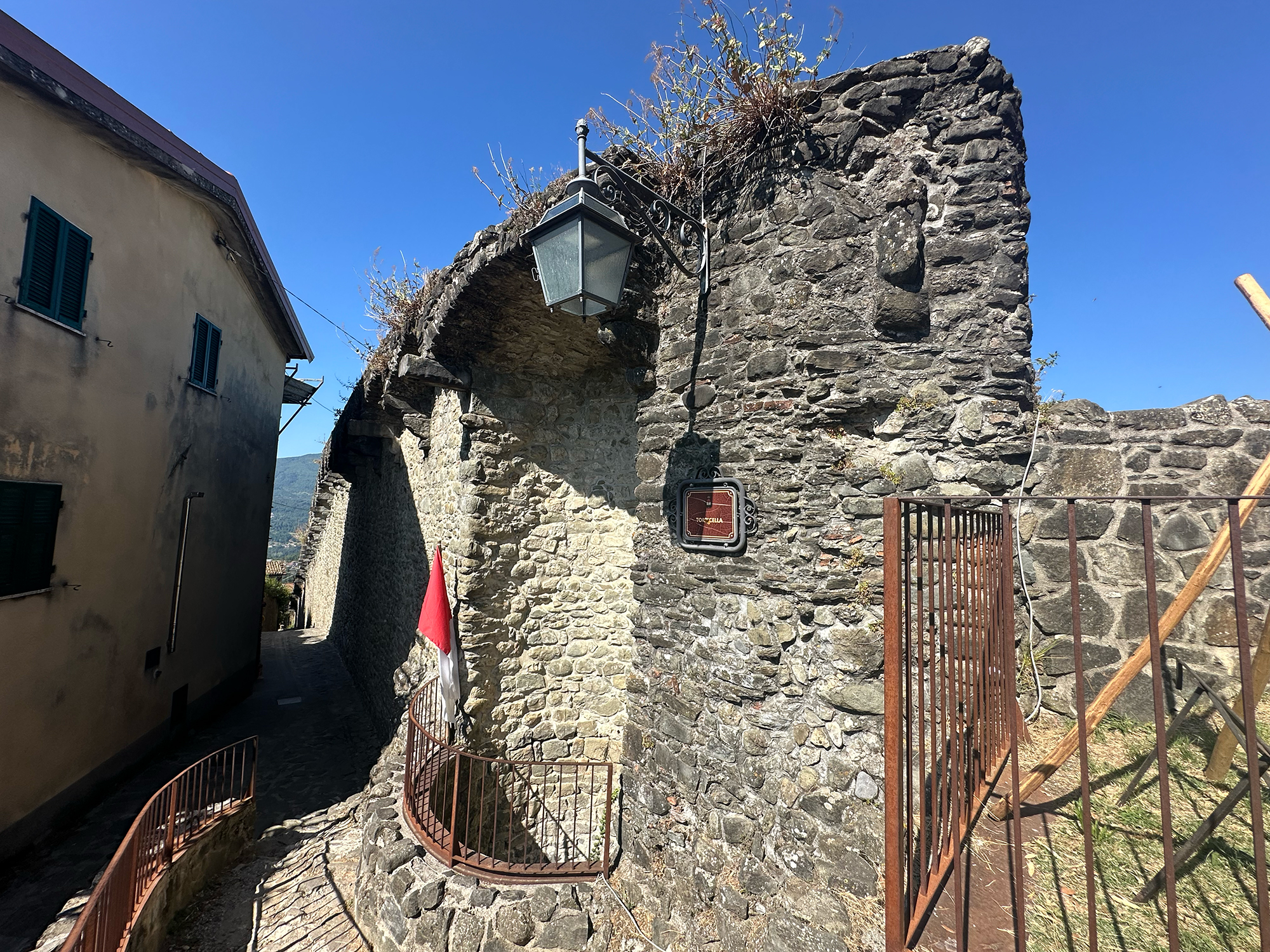
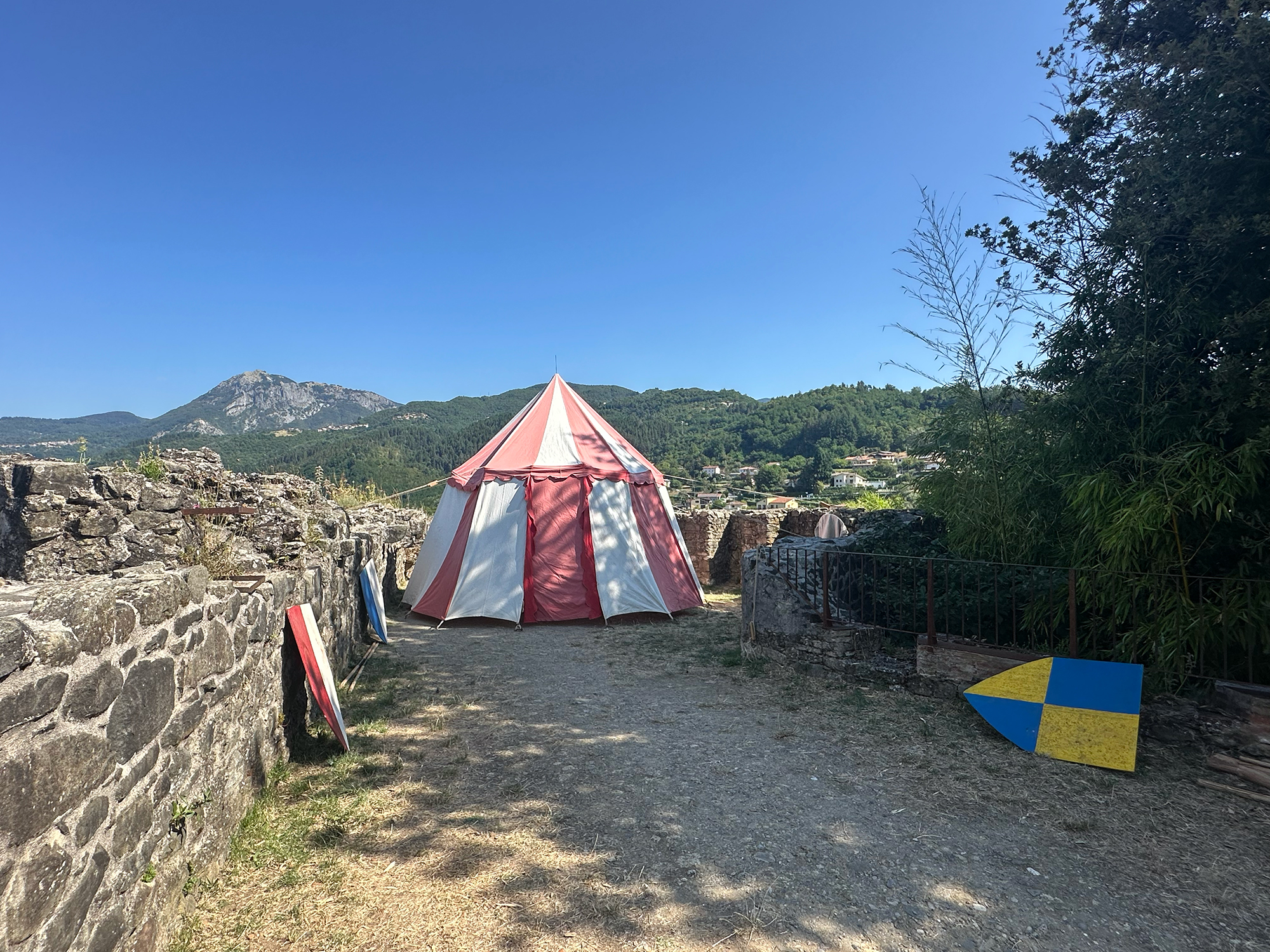
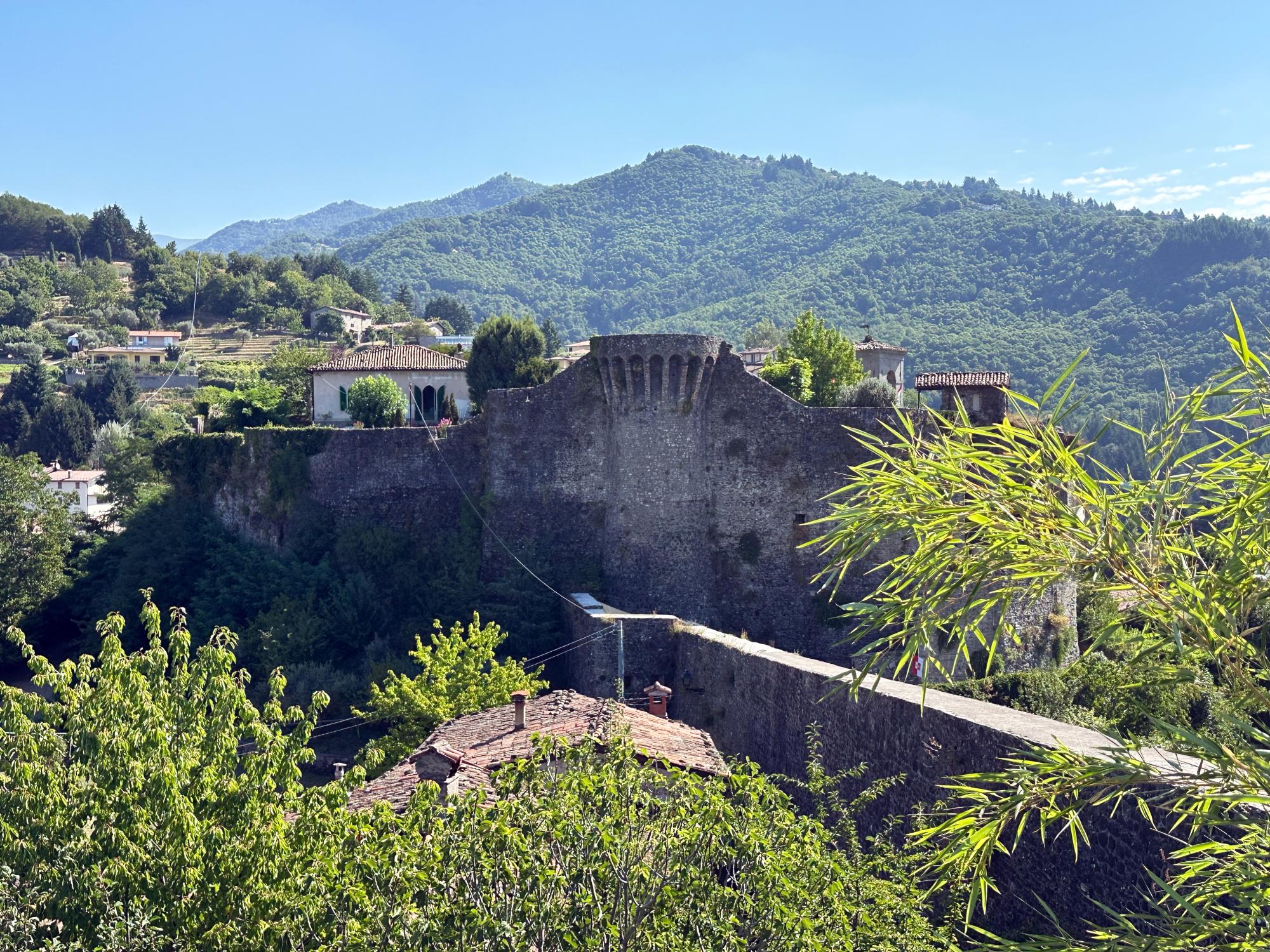
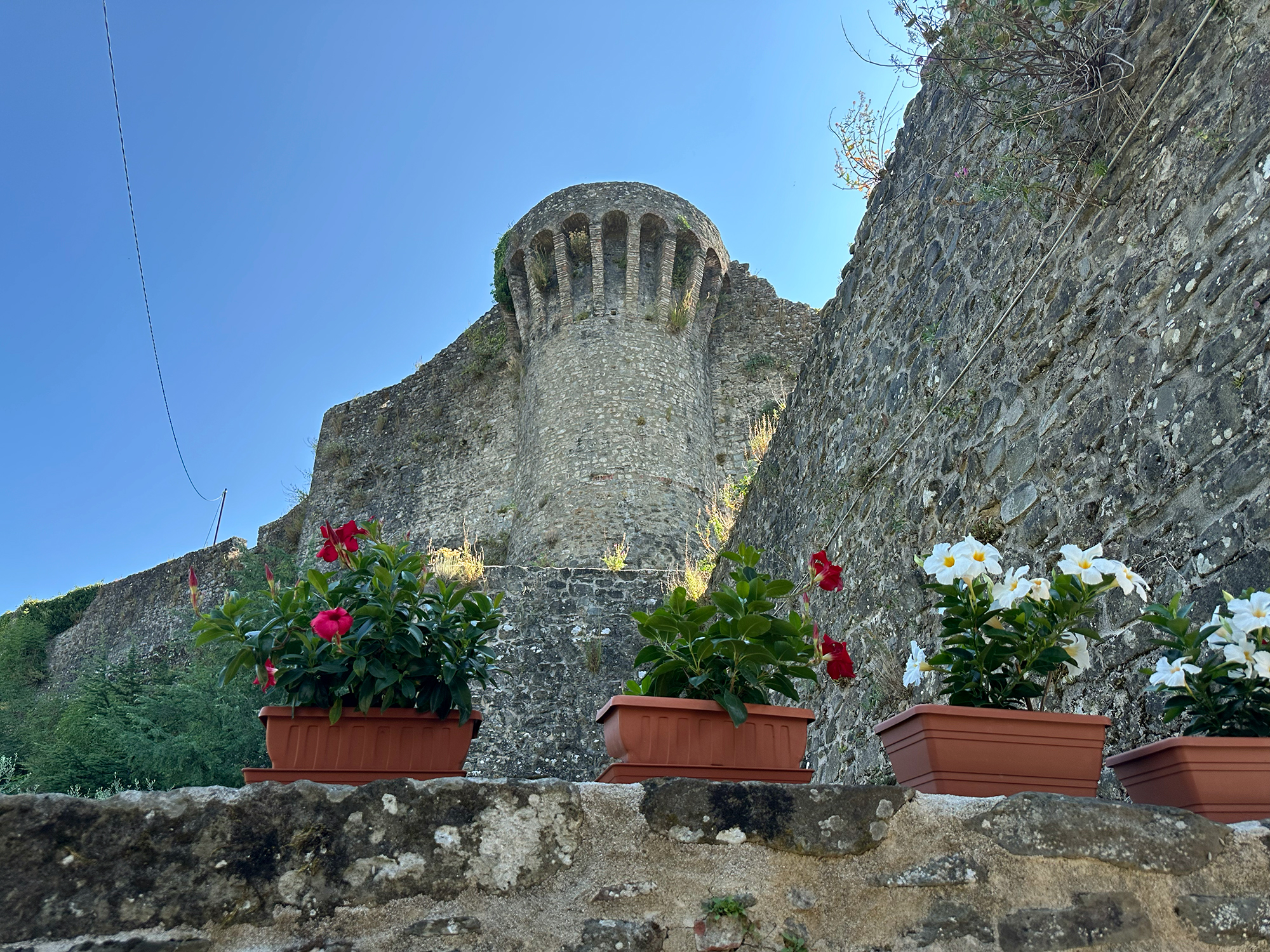
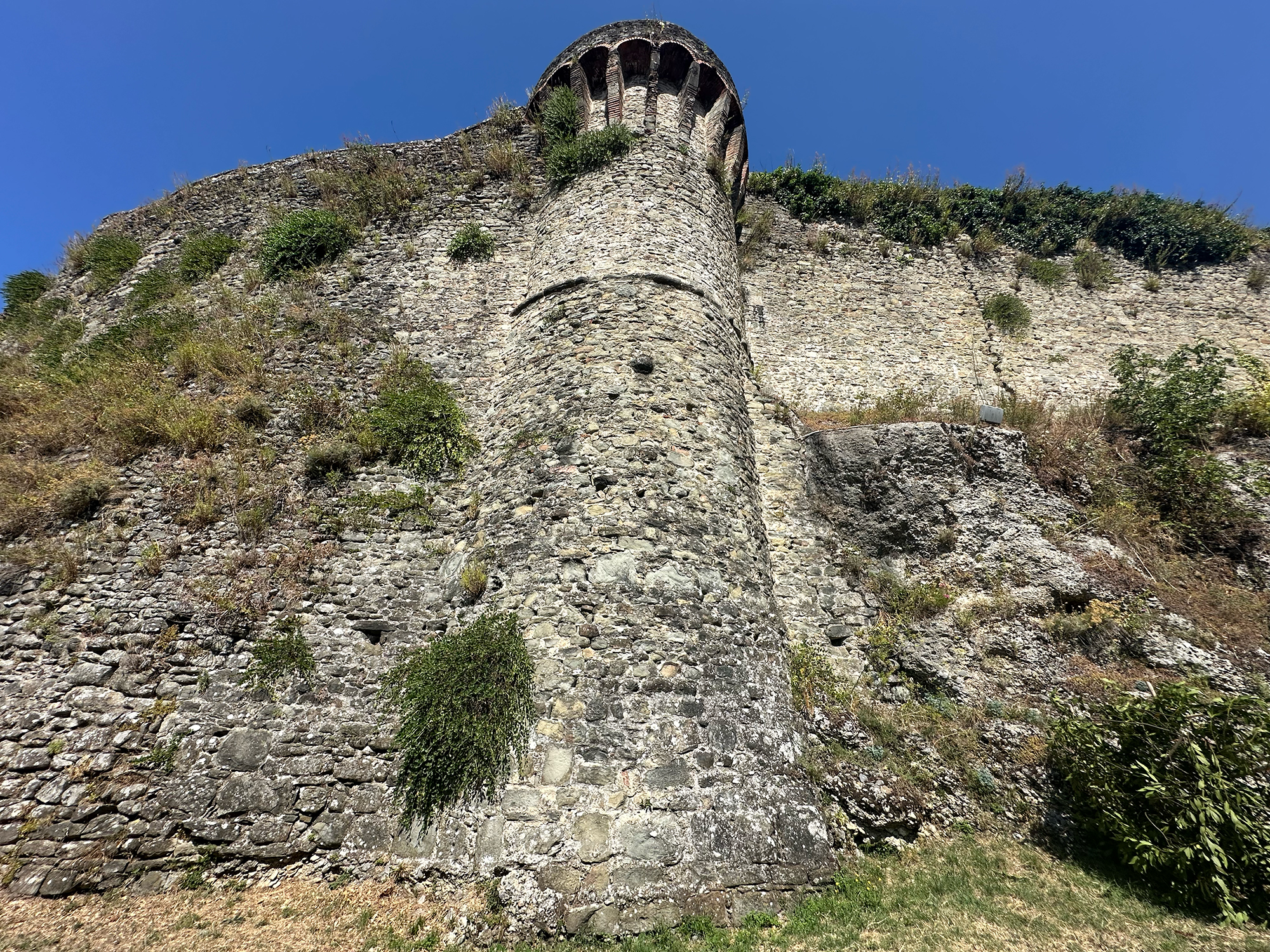
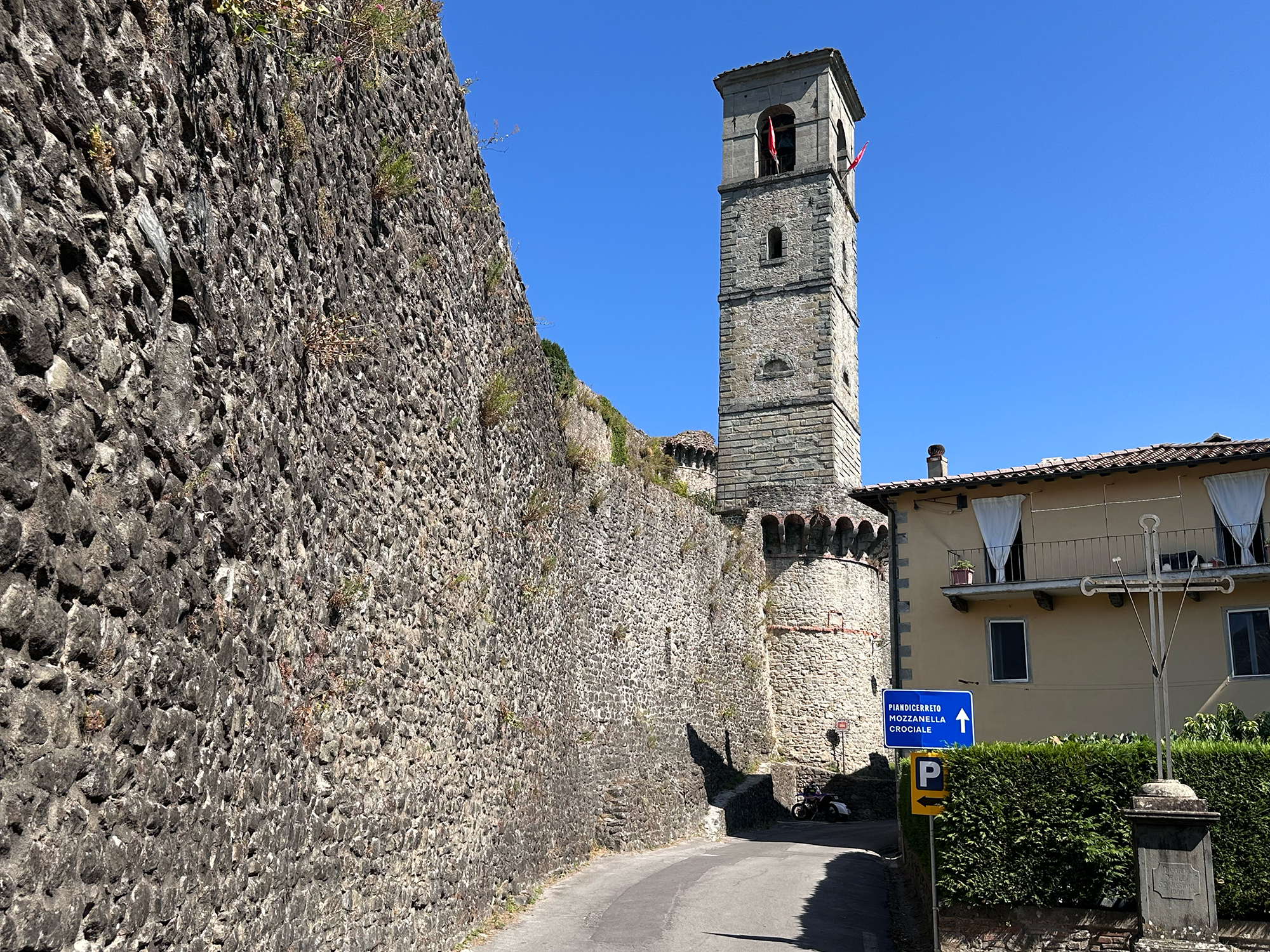
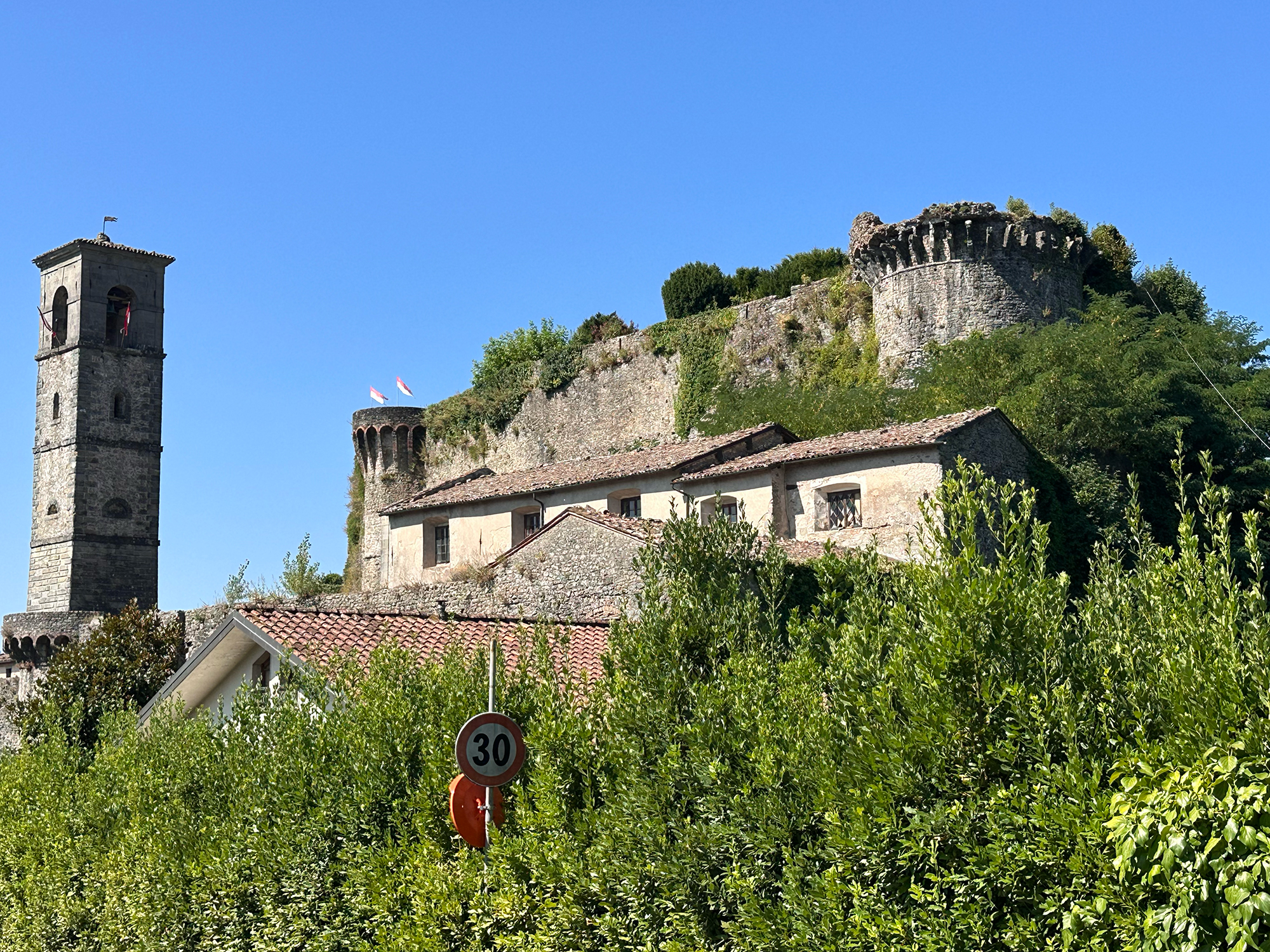
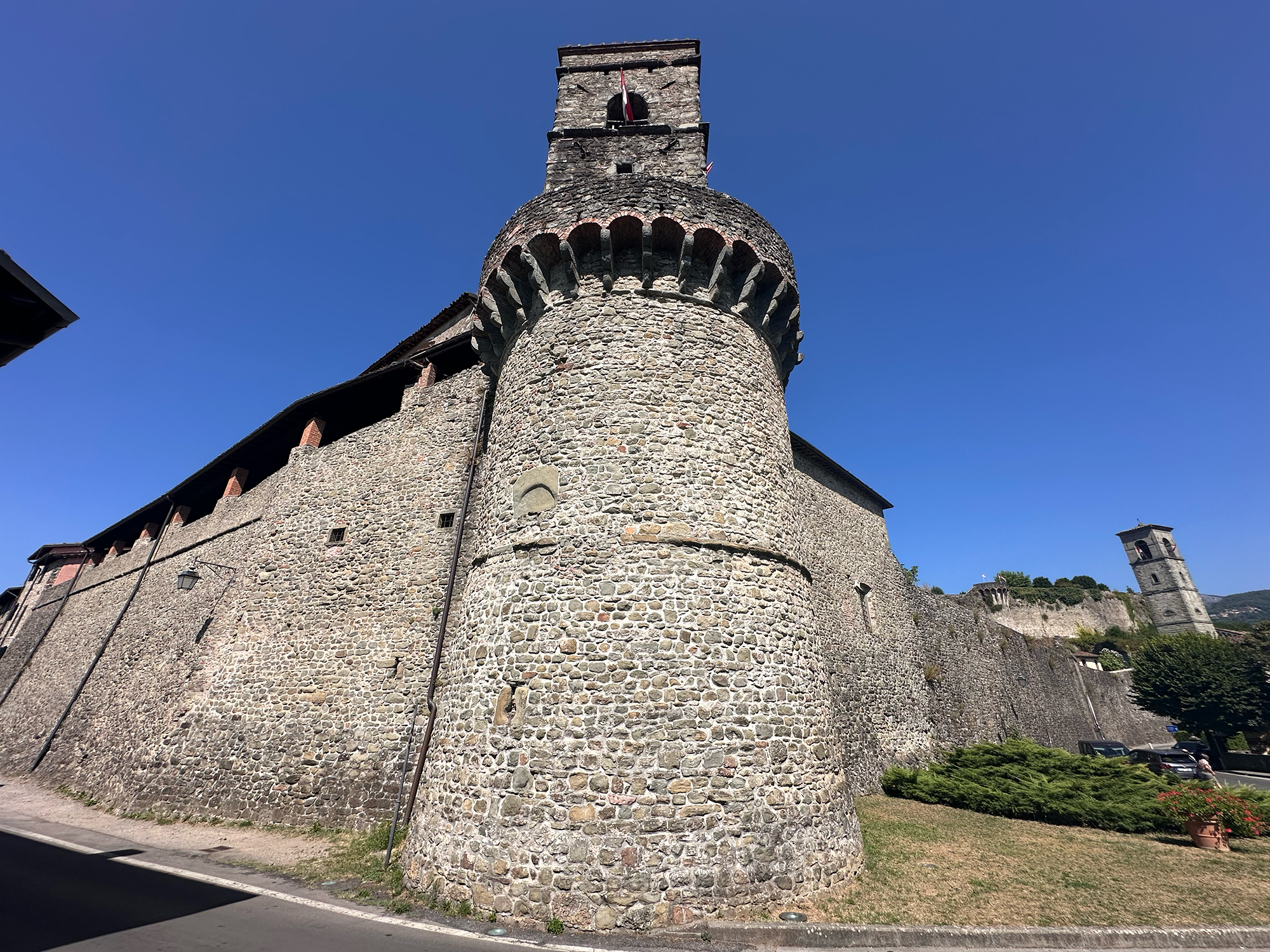
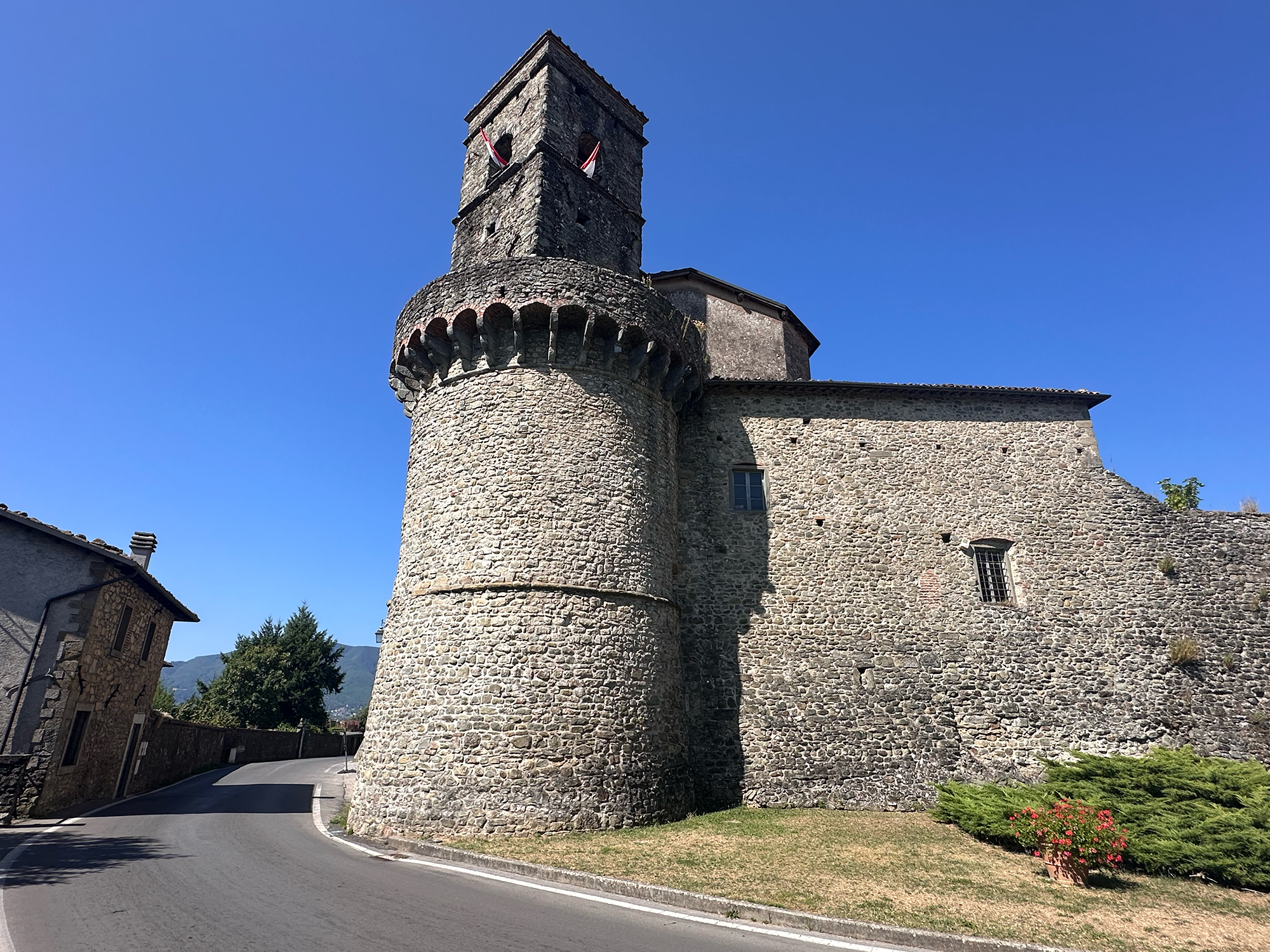
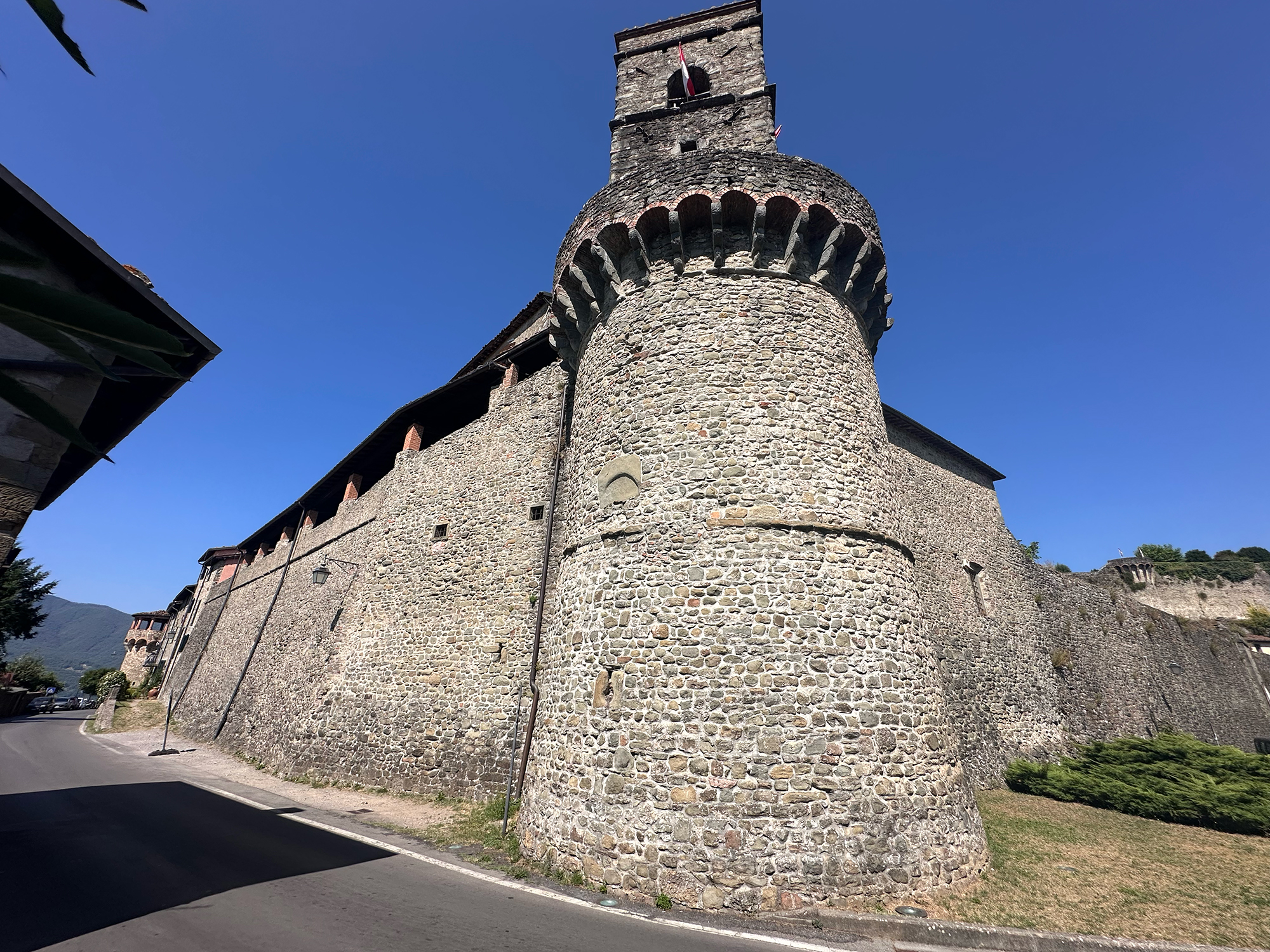
In the upper part of the village (north-east), on a rocky outcrop overlooking the whole of Garfagnana, stands the Rocca, a defensive fortress built in its present form at the end of the 14th century. It has an irregular perimeter protected by three semi-circular towers, equipped with projecting machicolations supported by stone corbels and defensive openings. The main tower is the Keep (Mastio), built with large stone blocks and a high sloping base. The other two towers are known as the Castellano and the Campanella. Near the entrance are the remains of the powder magazine, a square-based tower defending the narrow and winding access route. The curtain walls range in height from 11 to 17 metres depending on the terrain, and from the top visitors can enjoy a breathtaking 360-degree view over the valley.
The interior has evolved from a military stronghold into a private residence. Today, the Rocca is privately owned, and visits are possible only by prior reservation through the local Pro Loco tourist office.
The Town Walls and Towers
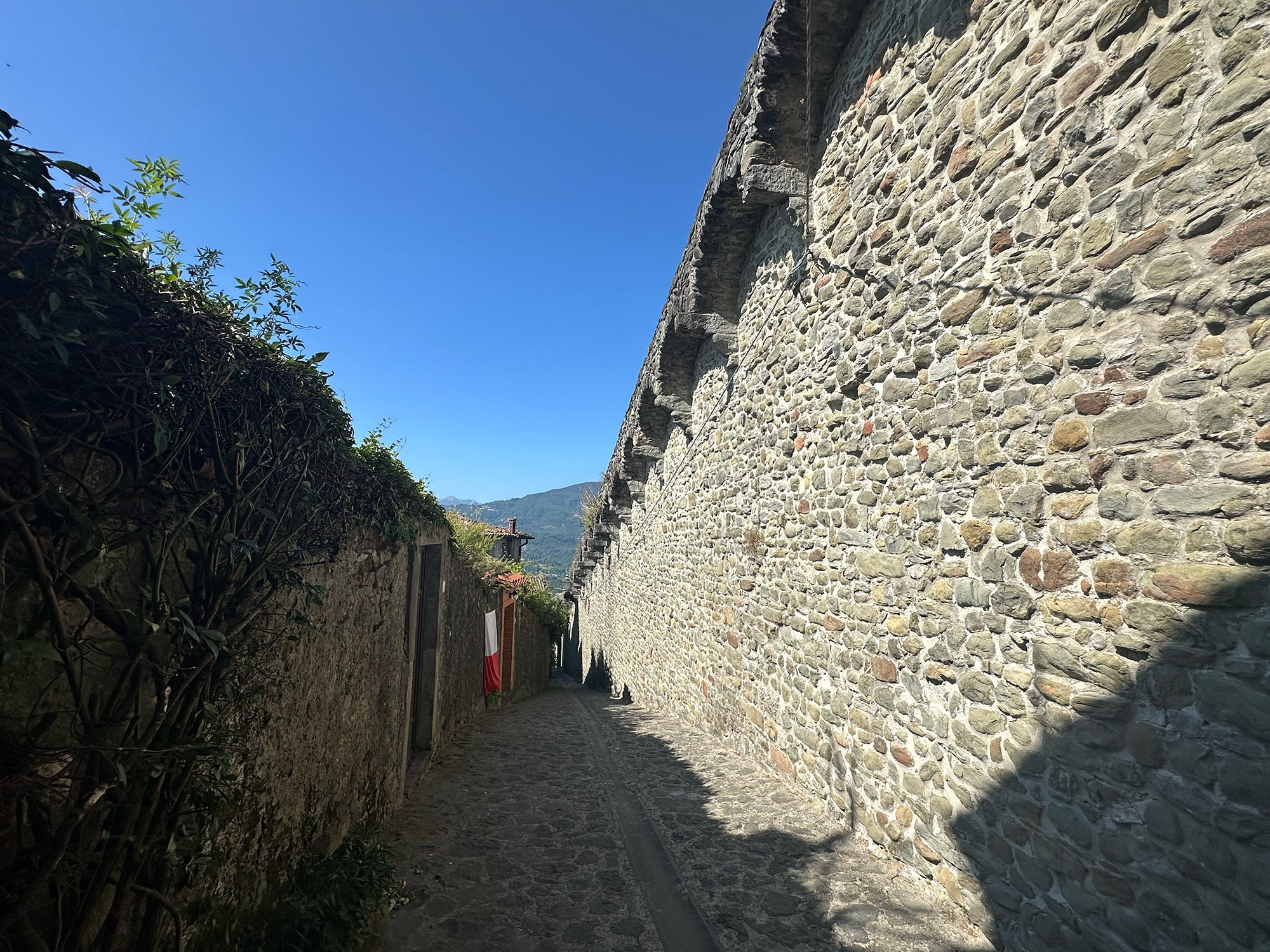
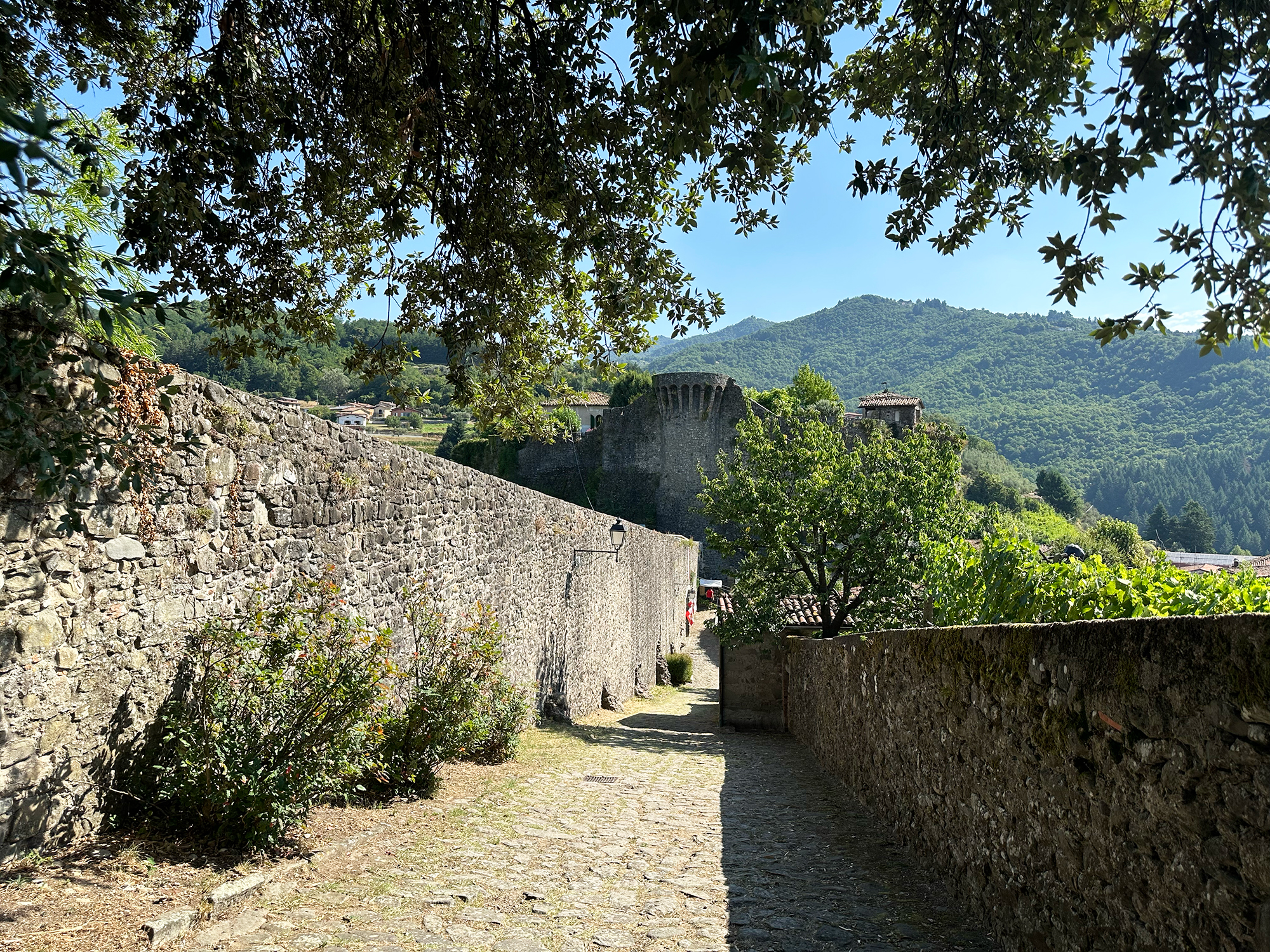
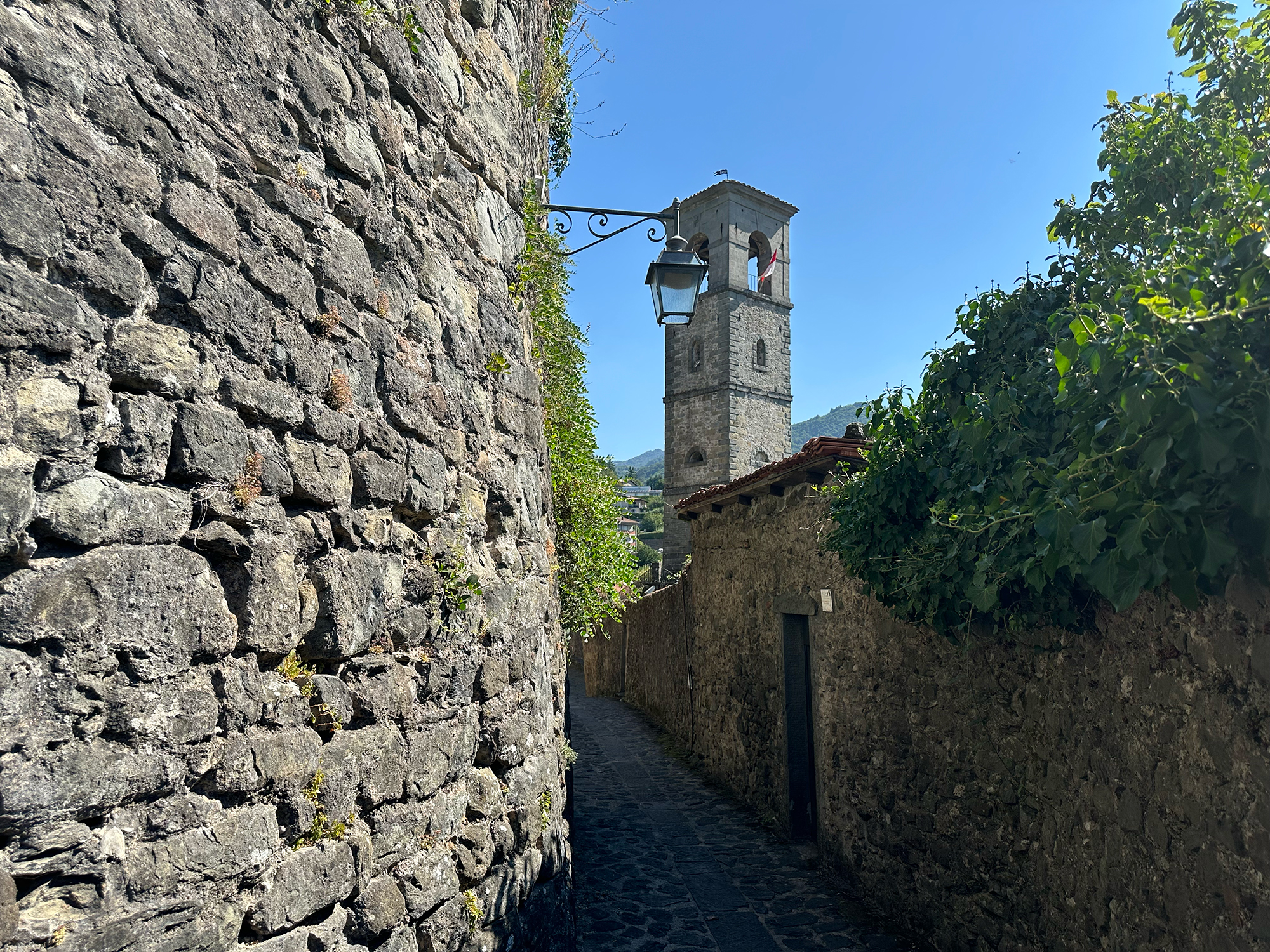
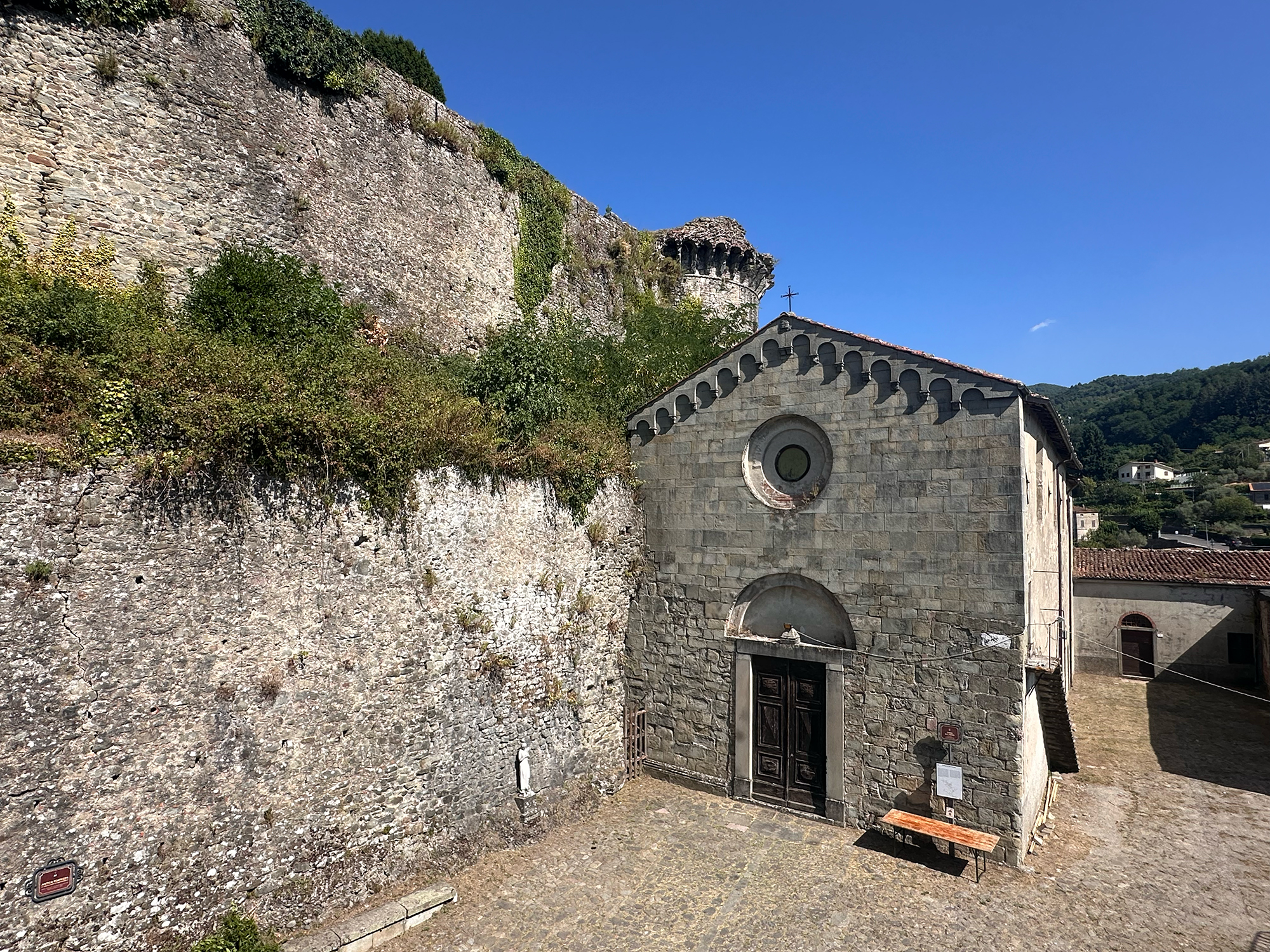
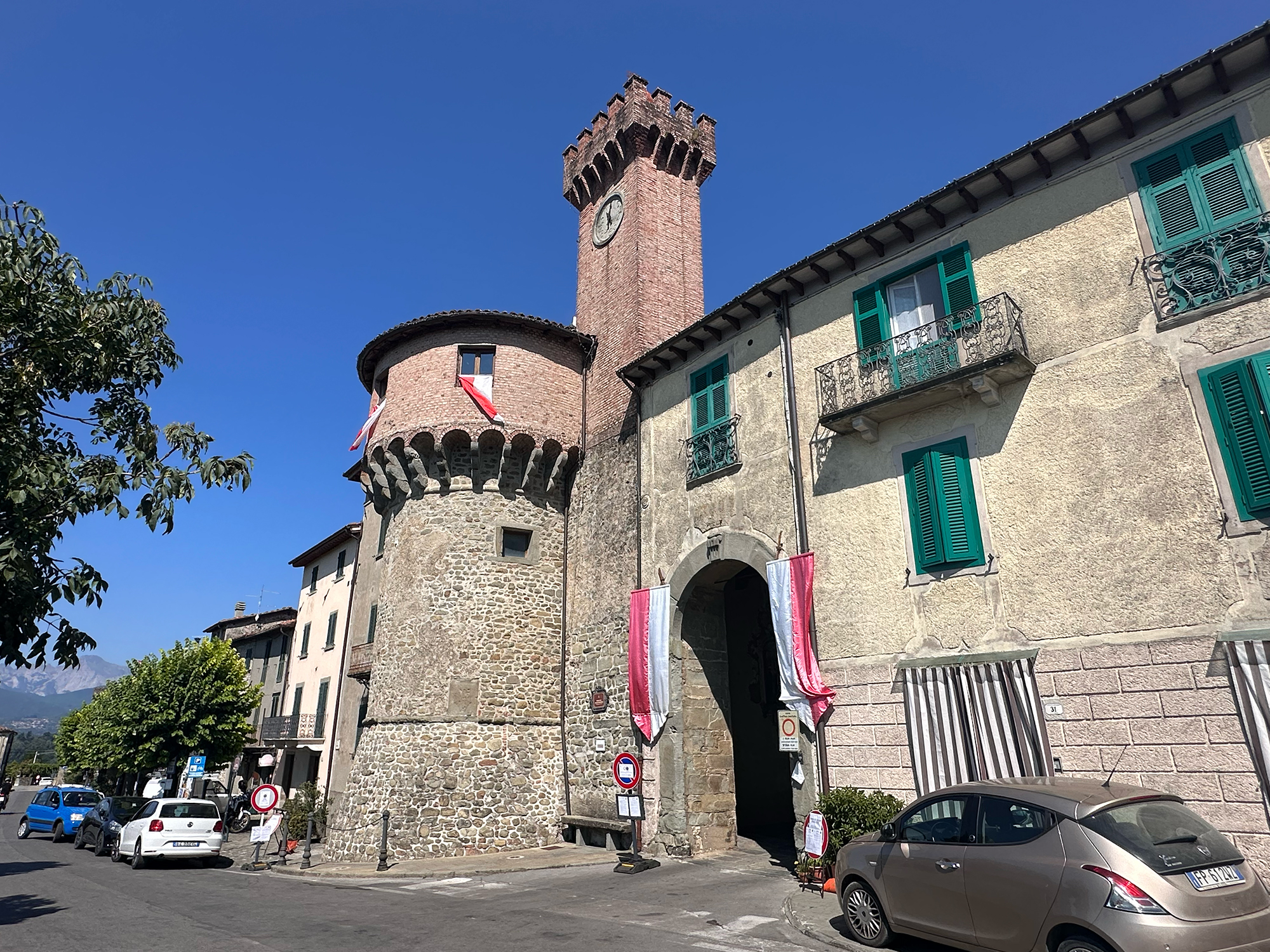
Surrounding the Rocca, the fortified settlement developed within powerful walls extending for approximately 750 metres (2,460 ft), complete with a patrol walkway, arrow slits, and probably, in part, a defensive moat. In addition to the three towers of the Rocca, the town walls were reinforced during the 14th century with five further towers: the Clock Tower (Orologio), the Brunella Tower, the Fattori Tower, the San Michele Tower, and the San Pietro Tower. The Brunella Tower, at the south-west corner, was rebuilt after the damage caused by the siege of 1613. The San Michele Tower, to the south-east, incorporated the bell tower of the church of the same name, while the San Pietro Tower on the eastern wall still preserves its crossbow loopholes.
Today, the village can be entered through three gates, although originally there was only one, protected by a drawbridge, located in the centre of the southern wall. The other two gates were opened during the 18th century to improve access to the village.
The Churches and the Legend of the Witch
Within the walls stand two notable churches: San Pietro, of Lombard origin, and the 15th-century San Michele, which houses a panel painting of the Madonna and Child by Giuliano di Simone (1389) and a wooden crucifix that tradition says came from the ancient Church of San Cristoforo in the Castle of Verrucchia, destroyed during the 14th-century wars between Pisa and Lucca. A local legend is linked to this event: it is said that on the night before the castle's destruction, a witch warned the inhabitants by striking the chain of the fireplace and crying out that the fortress was about to fall.
A "Living Castle"
The fortified complex of Castiglione is considered one of the most important and evocative examples of a "living castle" in the Serchio Valley, and it is included among Italy's Most Beautiful Villages (I Borghi più belli d'Italia).